English Foxhound vs Icelandic Sheepdog
Side-by-side comparison across all 14 AKC trait ratings, with a clear verdict on which breed fits which kind of household.
Not sure which breed fits your life?
Answer five questions about your home, your schedule, and your tolerance for shedding. We’ll match you to your top three breeds from over 200.
English Foxhound vs Icelandic Sheepdog
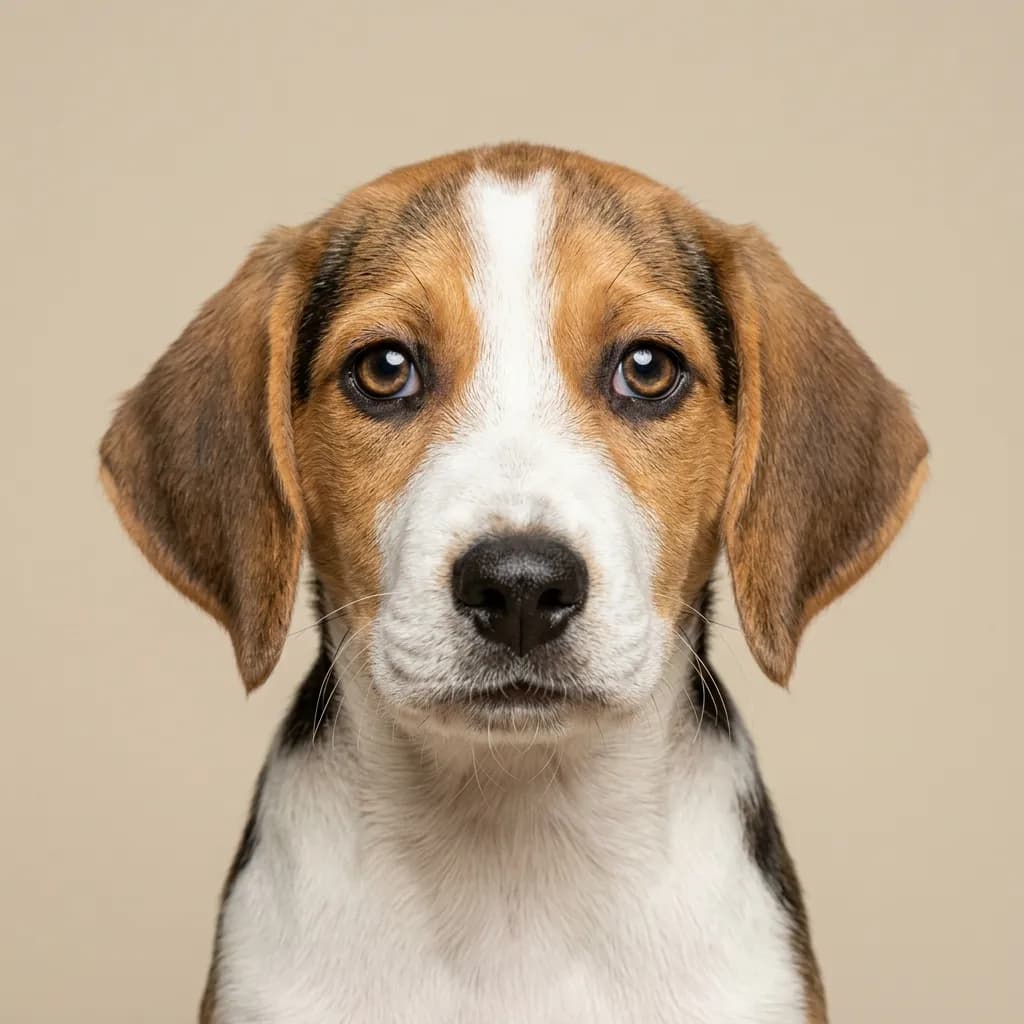
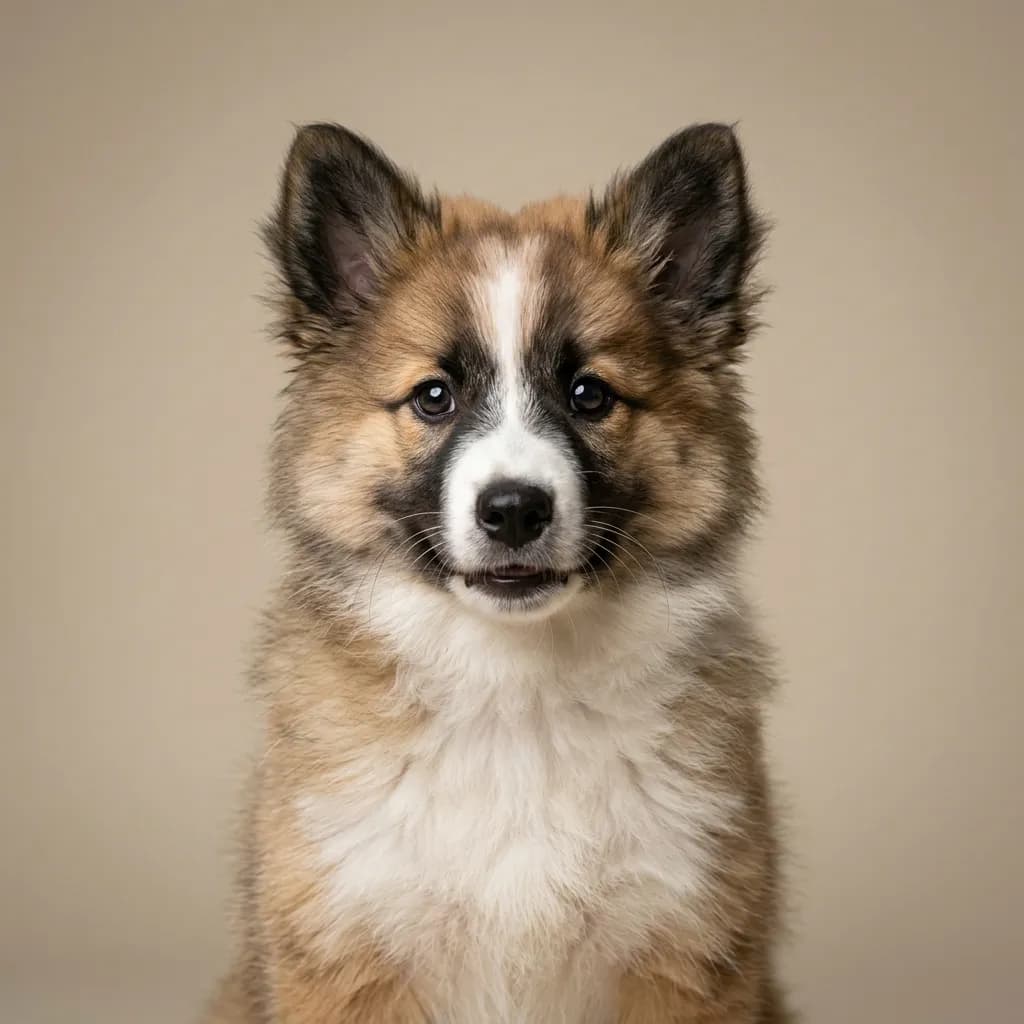
People compare English Foxhounds and Icelandic Sheepdogs because both are friendly, energetic family dogs with a cheerful presence and strong working roots. But that’s where the similarities fade. Think of it this way: one was built to run 20 miles a day in a pack across open countryside, the other to zip around volcanic pastures keeping sheep in line with big-dog energy in a small frame. The English Foxhound is a gentle giant in motion. At 70 pounds and built for endurance, it lives to follow a scent. You’ll need space, time, and an acceptance of constant barking. They’re sweet, sociable, and great with kids, but don’t expect them to notice you’re home. Their focus is outside, on the wind, on the trail. They thrive with other dogs and active owners. think hunters or equestrians who live on acreage. The Icelandic Sheepdog, under 30 pounds with a fox-like face and a curled tail, is a lively, trainable little engine. They bond closely, respond fast to training, and adapt better to varied living situations. if you can handle the barking. They’re true companions, eager to learn, and surprisingly bold. But they need cold weather. In heat, they overheat fast. Here’s the real difference: the Foxhound is a team athlete who tolerates your company. The Icelandic Sheepdog wants to be your teammate. If you want a dog that leans on you emotionally, pick the Icelandic. If you want a sturdy, gentle pack member for rural life, go Foxhound. Just don’t pick either if you’re not moving. Both demand motion.
Trait-by-trait
Higher bar = more of that trait. Shedding, barking, drooling, grooming flipped for readability.Where they diverge
Choose the English Foxhound if…
- Hunters and equestrian households
- Active families
- Rural environments
- You value good with other dogs — English Foxhound scores noticeably higher.
Choose the Icelandic Sheepdog if…
- Active families
- Cold climates
- Families with children
- You value coat grooming — Icelandic Sheepdog scores higher here.