English Setter vs Great Pyrenees
Side-by-side comparison across all 14 AKC trait ratings, with a clear verdict on which breed fits which kind of household.
Not sure which breed fits your life?
Answer five questions about your home, your schedule, and your tolerance for shedding. We’ll match you to your top three breeds from over 200.
English Setter vs Great Pyrenees
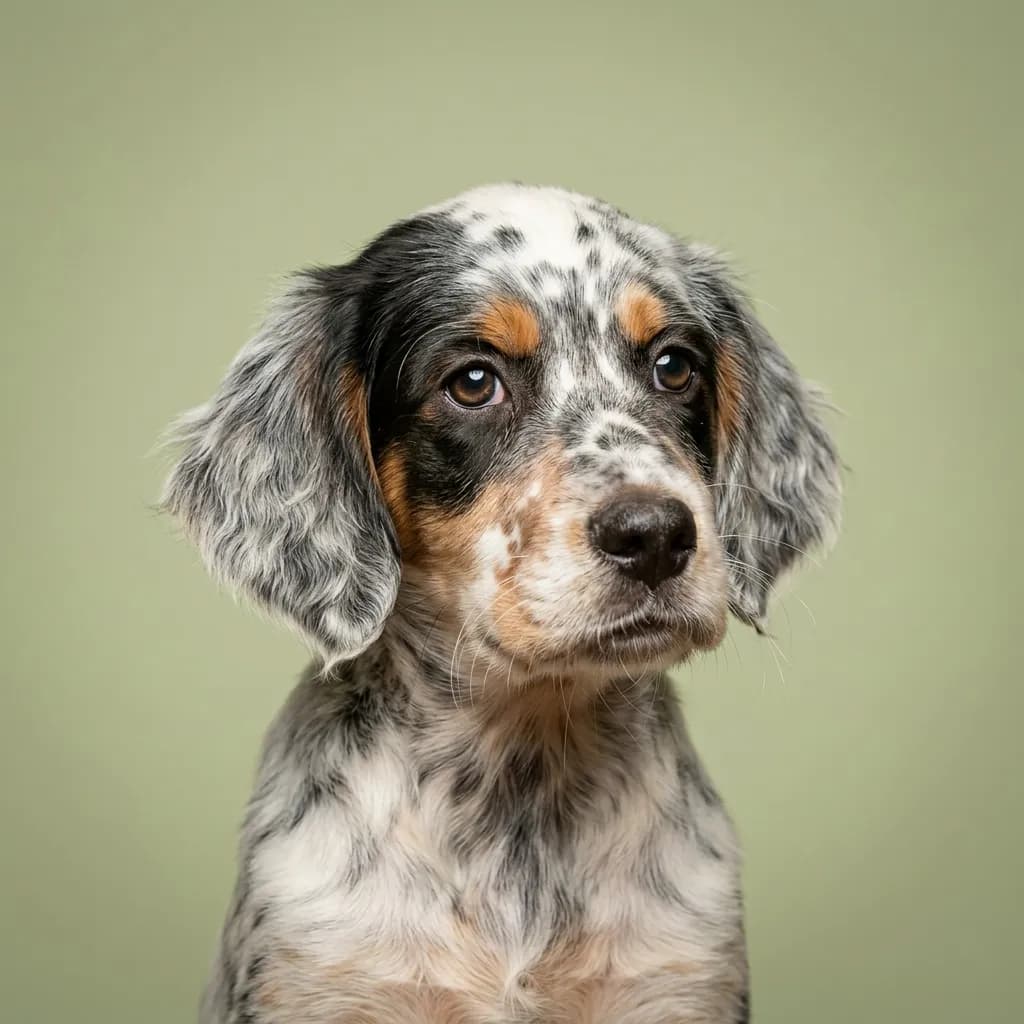
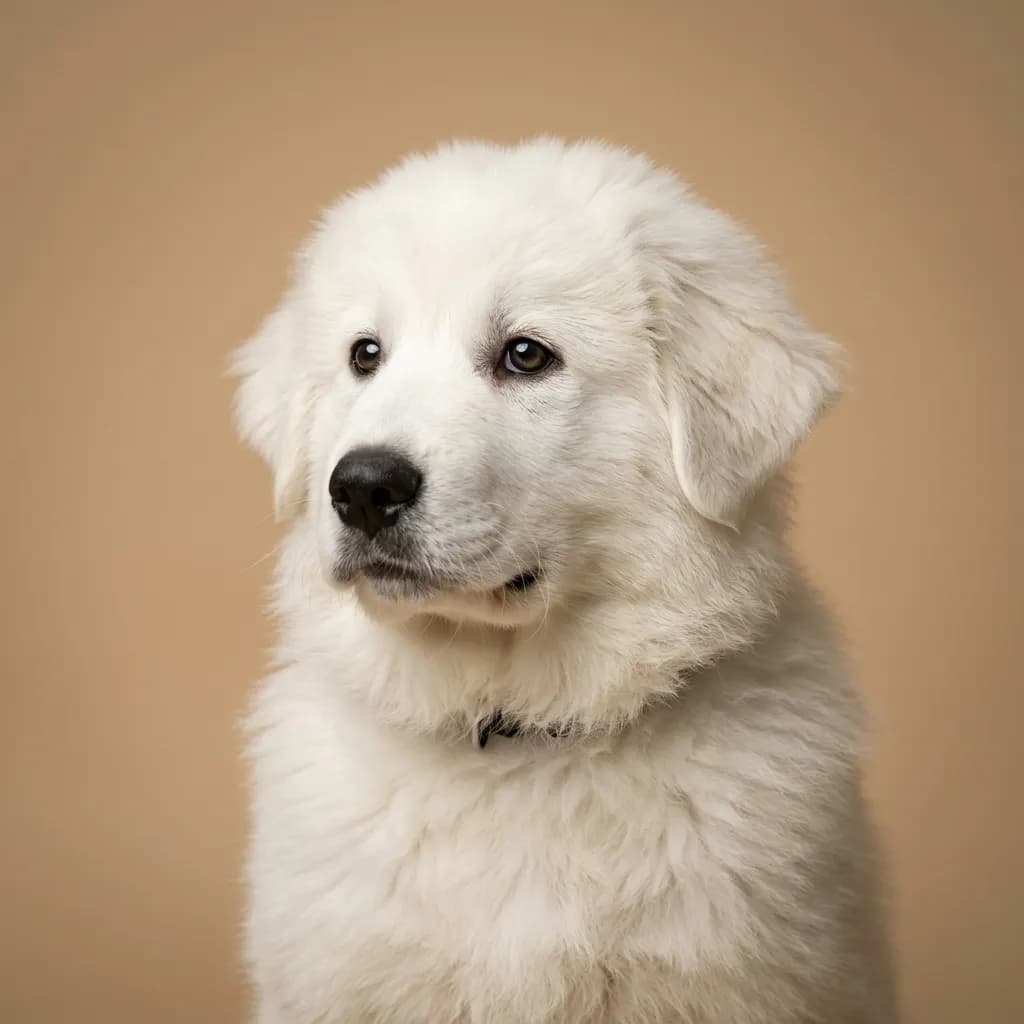
People often compare English Setters and Great Pyrenees because they’re both large, fluffy, family-friendly dogs with calm demeanors and a soft spot for kids. But that’s where the similarities end. Think of it like choosing between a spring morning and a mountain night watchman. one thrives on movement and connection, the other on stillness and duty. The English Setter is a lithe, energetic companion built for action. You’ll find them pointing at birds in a field or bounding through a backyard with joyful abandon. They’re highly trainable, eager to please, and form intense bonds with their people. If you’re hiking, hunting, or playing in the yard daily, they’ll be right there with you. But skip a grooming session or a mental workout and you’ll see the downside: tangles, boredom, and mischief. They’re not made for small spaces or lonely apartments. The Great Pyrenees, in contrast, is a stoic guardian built for solitude and cold. They’re not out for joyrides or fetch marathons. They patrol at dusk, bark at shadows, and guard what’s theirs with quiet intensity. Independent thinkers, they’ll question your commands. so you need patience and consistency. Their thick double coat is a year-round shedding machine and a heat trap, making them poor fits for warm climates or tidy homes. Here’s the real insight: the English Setter needs you to lead him in activity, but the Great Pyrenees will try to lead you in protection. Choose the Setter if your life moves and connects. Choose the Pyrenees if you want a calm, watchful presence on a rural property. One is a partner in adventure, the other a sentinel in silence.
Trait-by-trait
Higher bar = more of that trait. Shedding, barking, drooling, grooming flipped for readability.Where they diverge
Choose the English Setter if…
- Active families
- Hunters
- Homes with a yard
- You value good with young children — English Setter scores noticeably higher.
Choose the Great Pyrenees if…
- Livestock guardians
- Rural or farm living
- Families with children
- You value watchdog / protective — Great Pyrenees scores higher here.