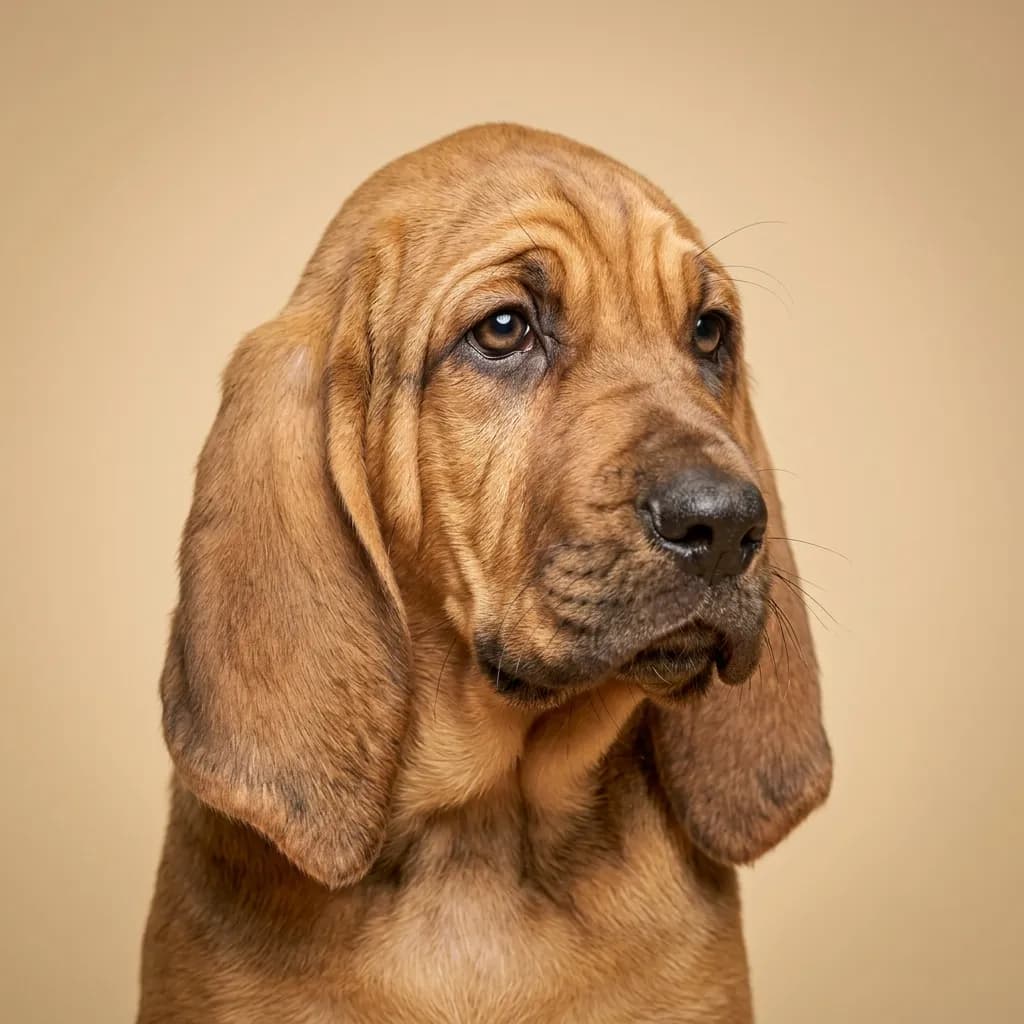
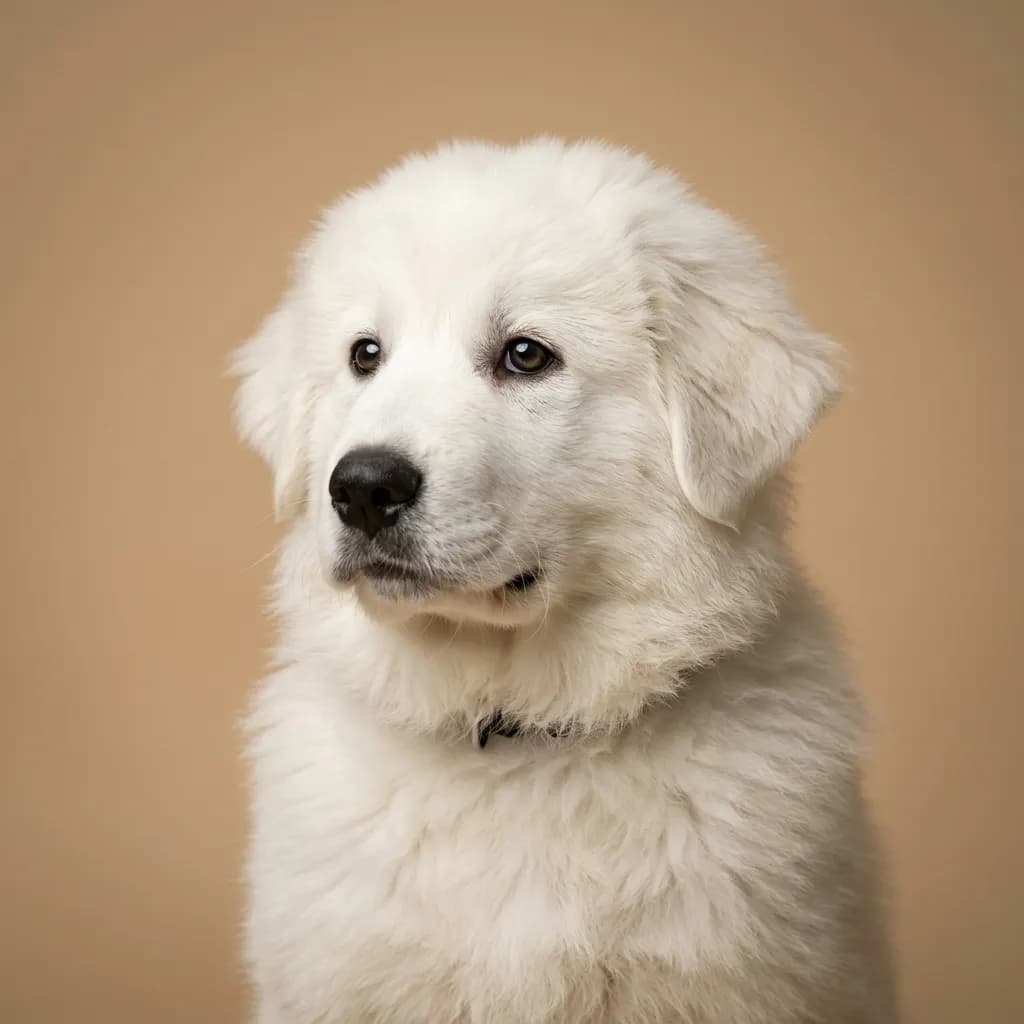
Bloodhound vs Great Pyrenees
Side-by-side comparison across all 14 AKC trait ratings, with a clear verdict on which breed fits which kind of household.
Not sure which breed fits your life?
Answer five questions about your home, your schedule, and your tolerance for shedding. We’ll match you to your top three breeds from over 200.
Bloodhound vs Great Pyrenees
People compare Bloodhounds and Great Pyrenees because they’re both big, drooly, and impossible to ignore. They look like they belong on a medieval tapestry. But that’s where the similarities end. One was built to follow a scent for miles through the woods. The other was built to stand alone on a mountain pass, guarding sheep through the night. They’re both gentle in their way, but they operate on entirely different frequencies. If you’re looking for a dog that will stick close and do what you say, neither is a slam dunk. But the Bloodhound will ignore you because he’s lost in a scent trail. he’s like a detective mid-case. The Great Pyrenees will ignore you because he’s decided he’s the boss of the perimeter. He’ll patrol your yard at 3 a.m. like it’s his sworn duty. And honestly, it kind of is. The Bloodhound needs space to wander (and a fence you trust) because curiosity can override common sense. He’s louder, too. deep baying that carries for miles. The Great Pyrenees is more of a watchful quiet type, but when he barks, it’s a deep, resonant alarm that means business. Families with kids often lean toward the Pyrenees for his calm, patient presence. But don’t be fooled. he’s not a pushover. He’s observant, independent, and will make his own calls. The Bloodhound is more affectionate in a goofy, clingy way, but he’s not as reliable off-leash and can be a handful in suburbs. Here’s the real talk: neither breed thrives in a city. But the deeper truth? The Great Pyrenees isn’t a pet. He’s a guardian. Take that role seriously, and he’ll be your quiet, majestic shadow. The Bloodhound just wants a mystery to solve. Give him one, and he’ll be happy.
Trait-by-trait
Higher bar = more of that trait. Shedding, barking, drooling, grooming flipped for readability.Where they diverge
Choose the Bloodhound if…
- Active people
- Rural homes
- Hunters
- You value drooling level — Bloodhound scores noticeably higher.
Choose the Great Pyrenees if…
- Livestock guardians
- Rural or farm living
- Families with children
- You value watchdog / protective — Great Pyrenees scores higher here.