English Toy Spaniel vs Siberian Husky
Side-by-side comparison across all 14 AKC trait ratings, with a clear verdict on which breed fits which kind of household.

Not sure which breed fits your life?
Answer five questions about your home, your schedule, and your tolerance for shedding. We’ll match you to your top three breeds from over 200.
English Toy Spaniel vs Siberian Husky
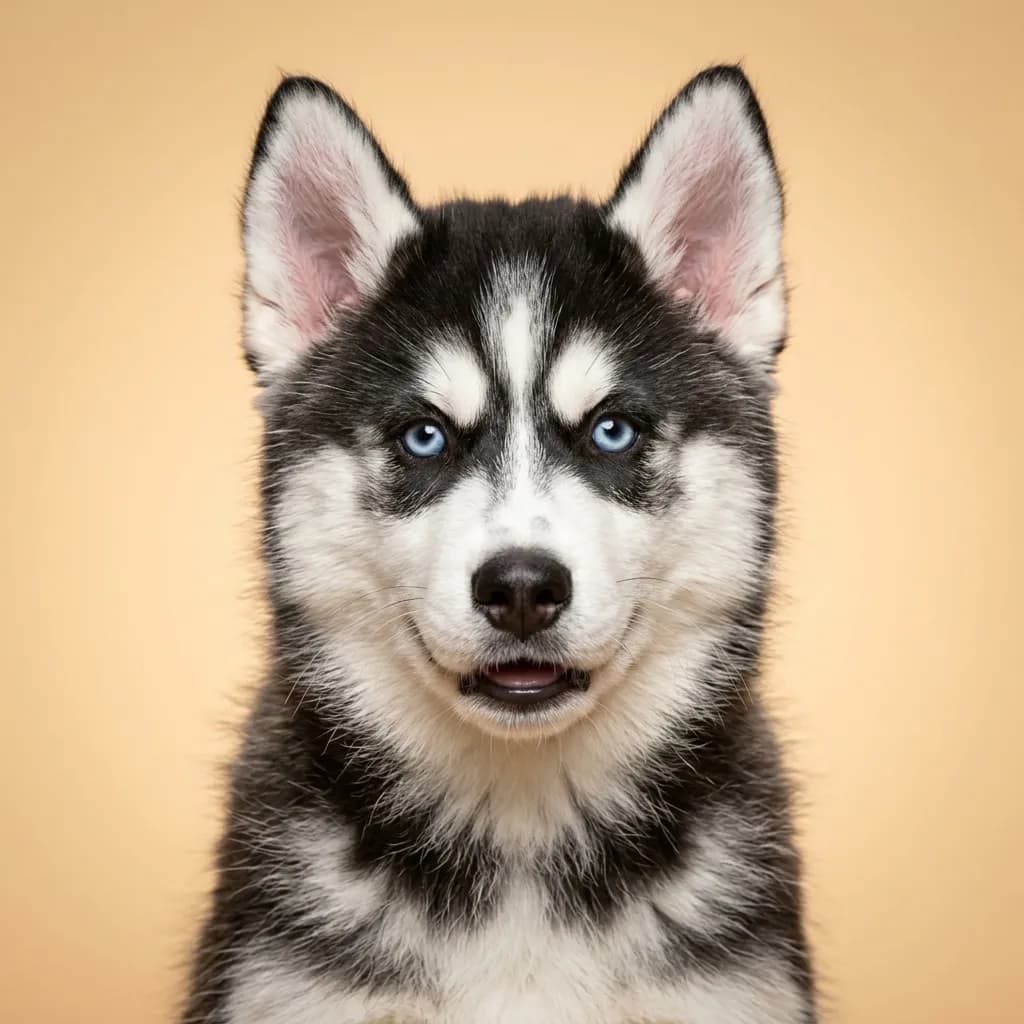
You’d never guess people compare these two until you realize what they’re really asking: “Which dog will love me fiercely but fit my life?” The English Toy Spaniel and Siberian Husky are polar opposites wrapped in deceptively affectionate packages. The Toy Spaniel is the quiet confidant. He’s the 11-pound velveteen dream curled on your lap during a rainy afternoon, bred for centuries to soothe royalty. He’ll greet your Zoom call with a blink and a sigh, content just being near you. He’s great with older kids, doesn’t bark much, and fits perfectly in a city apartment. But don’t expect hikes or frisbee. He’s more likely to nap than zoom, and his flat face means hot summers are dangerous. Heart disease and breathing issues mean vet visits can get serious, and yes, that price tag stings. Then there’s the Husky. He’s the 50-pound force of nature with ice in his veins and a howl that echoes across tundras. Bred to pull sleds 100 miles in snow, he needs space, cold weather, and a job. He’s goofy, loud, and will eat your couch if bored. Shedding is a war you will lose. twice a year, his coat erupts like a blizzard. But he’s incredibly gentle with kids and deeply loyal, just… independent. Trainability? He’ll listen if he feels like it. Here’s the real insight: the Toy Spaniel gives you love on your terms. The Husky demands you adapt to his. Choose the Spaniel if your life is calm and close-knit. Choose the Husky only if you’re ready to reorganize your world around adventure, snow, and controlled chaos. One is a living heirloom. The other, a four-legged storm.
Trait-by-trait
Higher bar = more of that trait. Shedding, barking, drooling, grooming flipped for readability.Where they diverge
Choose the English Toy Spaniel if…
- Apartment living
- Retirees
- Singles and couples
- You value watchdog / protective — English Toy Spaniel scores noticeably higher.
Choose the Siberian Husky if…
- Active owners who exercise daily
- Cold climate households
- Families with children
- You value barking level — Siberian Husky scores higher here.