German Longhaired Pointer vs Peruvian Inca Orchid
Side-by-side comparison across all 14 AKC trait ratings, with a clear verdict on which breed fits which kind of household.

Not sure which breed fits your life?
Answer five questions about your home, your schedule, and your tolerance for shedding. We’ll match you to your top three breeds from over 200.
German Longhaired Pointer vs Peruvian Inca Orchid
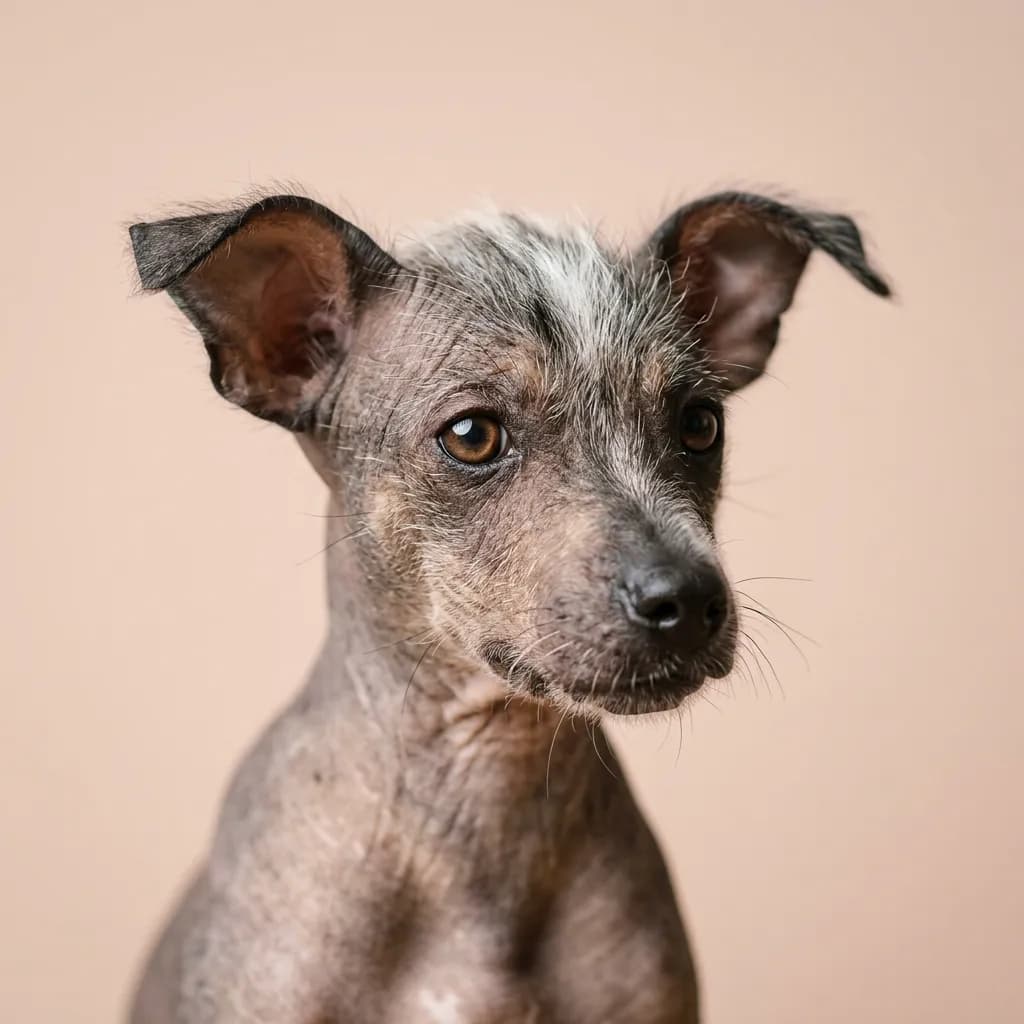
You’re probably not cross-shopping these two at the dog park. But if you’re digging deep into rare or regional breeds and ended up here, it’s likely because both dogs promise something unusual: one’s a sleek, ancient companion with skin instead of fur, the other a rangy, all-weather hunter built for days in the field. That’s where the similarity ends. The German Longhaired Pointer is the ultimate outdoor partner. Calm in the house but electric in the field, this dog lives to work. It’s smart, eager, and bonds tightly with active families who hunt or hike. You’ll need space, time, and a tolerance for muddy paws. It sheds moderately and won’t do well stuck in a city apartment. it needs room to stretch its legs and a job to do. The Peruvian Inca Orchid, especially the hairless variety, turns heads and warms laps. Loyal and alert, it’s a one-family dog with a noble stance and delicate needs. Without fur, it burns in the sun and chills easily, so living in a snowy climate means sweaters and sunscreen. It’s not the best with young kids, who might handle it too roughly, and it can be aloof with strangers. Training takes patience. this isn’t a please-you-at-all-costs breed. Here’s the real difference: the Pointer wants to join your life. The Orchid wants to be the center of yours. If you’re gone often or want a low-maintenance pet, skip both. But if you’re experienced and ready for a deep bond, ask yourself: do you want a partner in adventure or a living artifact with attitude? That’s your answer.
Trait-by-trait
Higher bar = more of that trait. Shedding, barking, drooling, grooming flipped for readability.Where they diverge
Choose the German Longhaired Pointer if…
- Hunters
- Active families
- Rural living
- You value good with young children — German Longhaired Pointer scores noticeably higher.
Choose the Peruvian Inca Orchid if…
- Allergy sufferers
- Experienced sighthound owners
- Active owners