Great Dane vs Lakeland Terrier
Side-by-side comparison across all 14 AKC trait ratings, with a clear verdict on which breed fits which kind of household.

Not sure which breed fits your life?
Answer five questions about your home, your schedule, and your tolerance for shedding. We’ll match you to your top three breeds from over 200.
Great Dane vs Lakeland Terrier
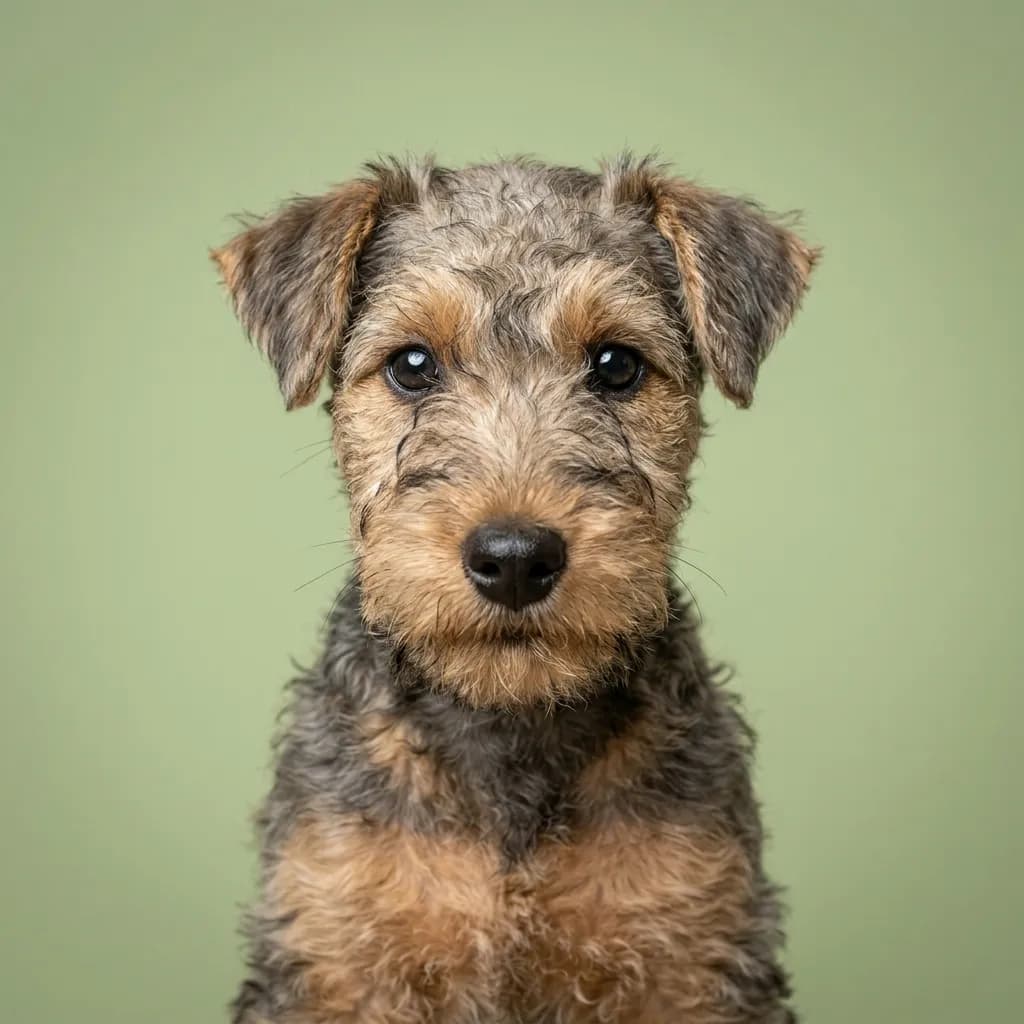
You’d be surprised how often people pit a Great Dane against a Lakeland Terrier. On paper, they’re nothing alike. one’s a gentle giant, the other a scrappy little hunter. But the comparison makes sense when you zoom out. Both are loyal, affectionate dogs with bold personalities and a surprising adaptability to family life. People are really asking: do I want a dog that fills the room, or one that owns it? The Great Dane is the living couch with a heartbeat. At 150 pounds and standing taller than your kitchen counter, it’s impossible to ignore. But that size comes with real costs. food, vet bills, a yard that’s more necessity than luxury. They’re calm indoors, deeply affectionate, and great with kids if raised with them. But they don’t live long, and bloat or heart issues can hit hard and fast. You’re signing up for love with an expiration date. The Lakeland Terrier is the opposite in scale but not spirit. At 17 pounds, it fits in a tote bag, but it’s got the confidence of a dog ten times its size. Bred to chase foxes through rocky fells, it’s independent, alert, and not always eager to please. It’s better for people who want a durable companion for hikes and adventures, not a docile house pet. And while it sheds less, don’t expect a push-button dog. terrier stubbornness runs deep. Here’s the thing most guides miss: both breeds are emotional mirrors. The Dane reflects calm. if you’re anxious, it might absorb it. The Lakeland reflects energy. if you’re passive, it will run the household. Choose the Dane if you want a serene, devoted presence and have the space and budget. Choose the Lakeland if you want a fiery little partner in crime and can handle a will of their own.
Trait-by-trait
Higher bar = more of that trait. Shedding, barking, drooling, grooming flipped for readability.Where they diverge
Choose the Great Dane if…
- Families with enough space
- Gentle companion seekers
- Those wanting a loyal calm dog
- You value drooling level — Great Dane scores noticeably higher.
Choose the Lakeland Terrier if…
- Active owners
- Experienced terrier handlers
- Allergy sufferers
- You value coat grooming — Lakeland Terrier scores higher here.