Great Dane vs Spanish Mastiff
Side-by-side comparison across all 14 AKC trait ratings, with a clear verdict on which breed fits which kind of household.
Not sure which breed fits your life?
Answer five questions about your home, your schedule, and your tolerance for shedding. We’ll match you to your top three breeds from over 200.
Great Dane vs Spanish Mastiff
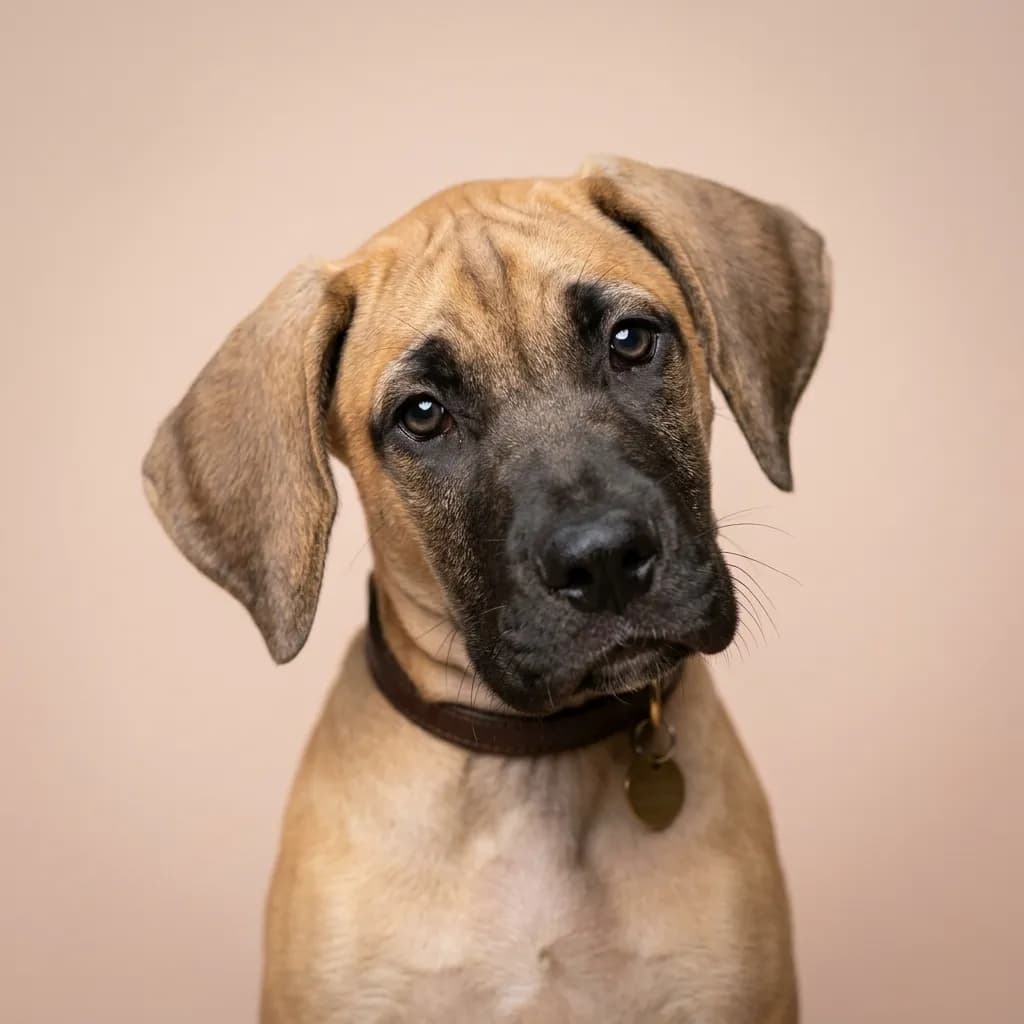
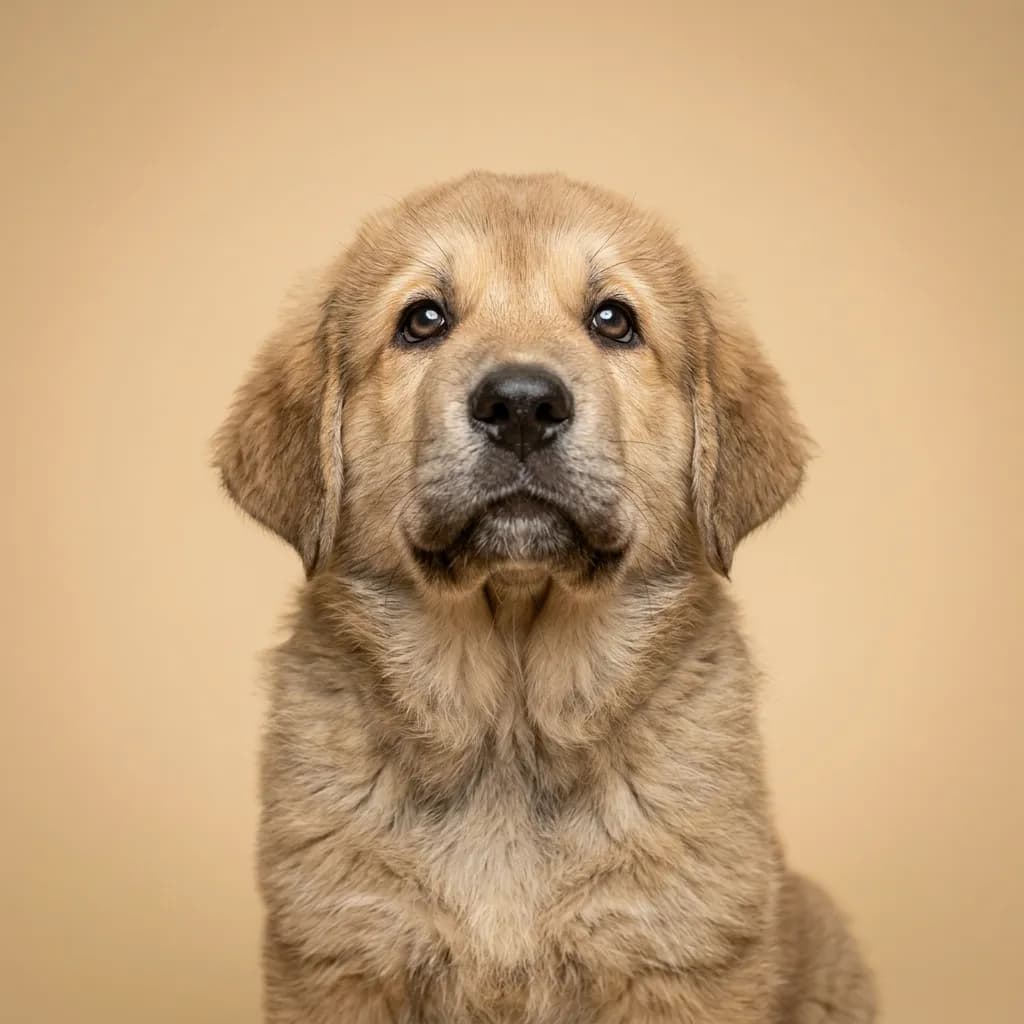
People compare Great Danes and Spanish Mastiffs because they’re both enormous, noble-looking dogs that turn heads and demand respect. But beneath that shared scale, they’re built for entirely different lives. Think of the Great Dane as the gentle giant who thinks he’s a lap dog. He’s friendly, eager to please, and surprisingly adaptable for his size. He’ll flop at your feet after a long walk, content to be part of whatever you’re doing. The Spanish Mastiff, on the other hand, is more like a living fortress. Calm, watchful, and deeply independent, he was born to stand guard over flocks and property, not to fetch your slippers. The real difference isn’t just size. it’s purpose. Great Danes thrive in active family homes with space and a yard. They’re more sociable, better with strangers, and surprisingly affectionate with kids. But they don’t live long, and their health bills can be brutal. You’ll be vigilant about bloat and heart issues from day one. Spanish Mastiffs last longer and are calmer, but they need experienced hands. They’re not eager to impress you in obedience class. They’re thinkers, reserved with newcomers, and need a job or territory to steward. They’re not built for cities or heat. Here’s the thing no breeder brochure tells you: a Great Dane will break your heart when he’s gone at 8 years old. A Spanish Mastiff will outlive most of your other pets and possibly your car. If you want a loyal, huggable companion who fits into family life, go Dane. If you need a true guardian for land or livestock and you’ve handled big dogs before, the Mastiff’s quiet strength is unmatched. Just make sure you’ve got the space. and the spine. to handle him.
Trait-by-trait
Higher bar = more of that trait. Shedding, barking, drooling, grooming flipped for readability.Where they diverge
Choose the Great Dane if…
- Families with enough space
- Gentle companion seekers
- Those wanting a loyal calm dog
- You value playfulness — Great Dane scores noticeably higher.
Choose the Spanish Mastiff if…
- Experienced large-breed owners
- Farm or rural settings
- Livestock guardian needs
- You value drooling level — Spanish Mastiff scores higher here.