Great Pyrenees vs Irish Water Spaniel
Side-by-side comparison across all 14 AKC trait ratings, with a clear verdict on which breed fits which kind of household.
Not sure which breed fits your life?
Answer five questions about your home, your schedule, and your tolerance for shedding. We’ll match you to your top three breeds from over 200.
Great Pyrenees vs Irish Water Spaniel
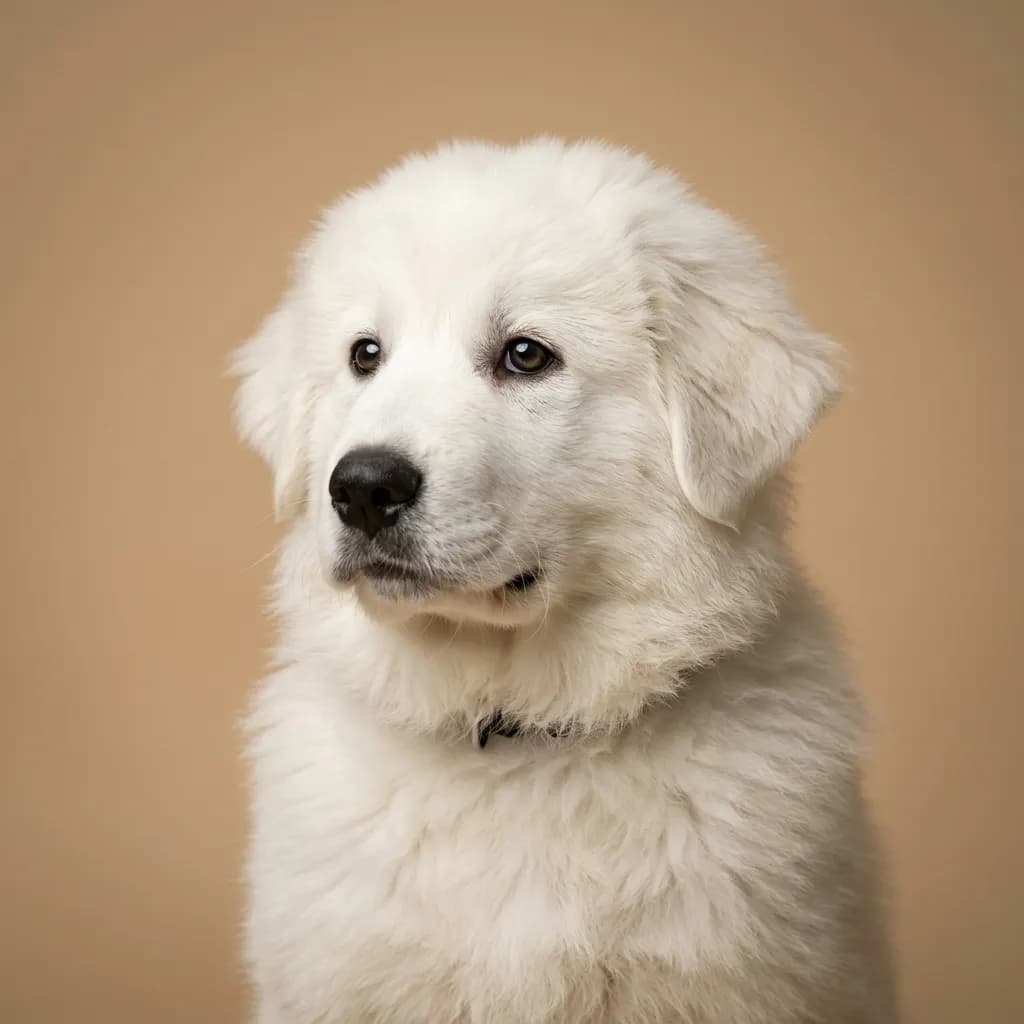
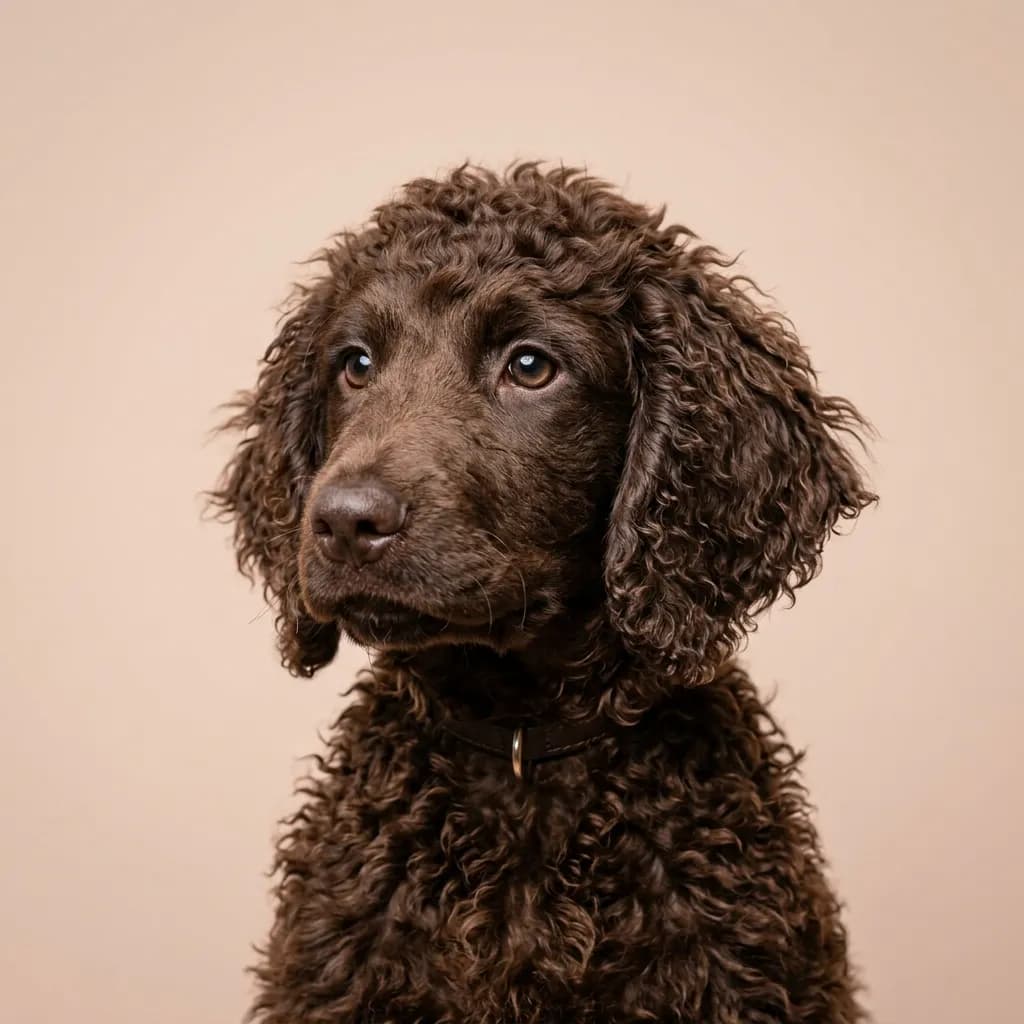
You don’t see too many people torn between a Great Pyrenees and an Irish Water Spaniel, but if you’re standing in your muddy backyard wondering whether you need a mountain of fluff to guard the homestead or a slick, curly otter dog to dive after ducks, suddenly the choice feels oddly personal. Both are big-hearted, loyal, and built for serious work in wet, cold country. But their rhythms couldn’t be more different. The Great Pyrenees is the calm in the storm. At 100 pounds of thick-coated serenity, this dog will patrol your property like a woolly sentinel, making quiet decisions in the dark, barking only when something’s truly off. It’s not that they’re stubborn. they’re thoughtful. Training takes patience, and you’ll never trust off-leash recall, but they’ll love your kids deeply and stand watch through winter nights. They’re not built for heat or small spaces. If your dream is a farm dog who bonds silently with your family and handles predators with cool confidence, this is your breed. The Irish Water Spaniel is a thinker with a spring in its step. Smaller, but dense and muscular, it’s bred to work hard all day in water, and it shows. It learns fast, loves challenges, and will happily retrieve for hours. It’s affectionate but busy, quieter than most spaniels, and sheds almost nothing. great for allergies. But that coat? High maintenance. And those ears need constant watching. They’re not for couch potatoes. Here’s the real talk: the Pyrenees gives you presence, the IWS gives you partnership. One stands guard while the world sleeps. The other wants to do the work with you. side by side, soaked to the skin, loving every minute.
Trait-by-trait
Higher bar = more of that trait. Shedding, barking, drooling, grooming flipped for readability.Where they diverge
Choose the Great Pyrenees if…
- Livestock guardians
- Rural or farm living
- Families with children
- You value shedding level — Great Pyrenees scores noticeably higher.
Choose the Irish Water Spaniel if…
- Hunters
- Active families
- Waterfowl hunting
- You value playfulness — Irish Water Spaniel scores higher here.