Great Pyrenees vs Irish Wolfhound
Side-by-side comparison across all 14 AKC trait ratings, with a clear verdict on which breed fits which kind of household.
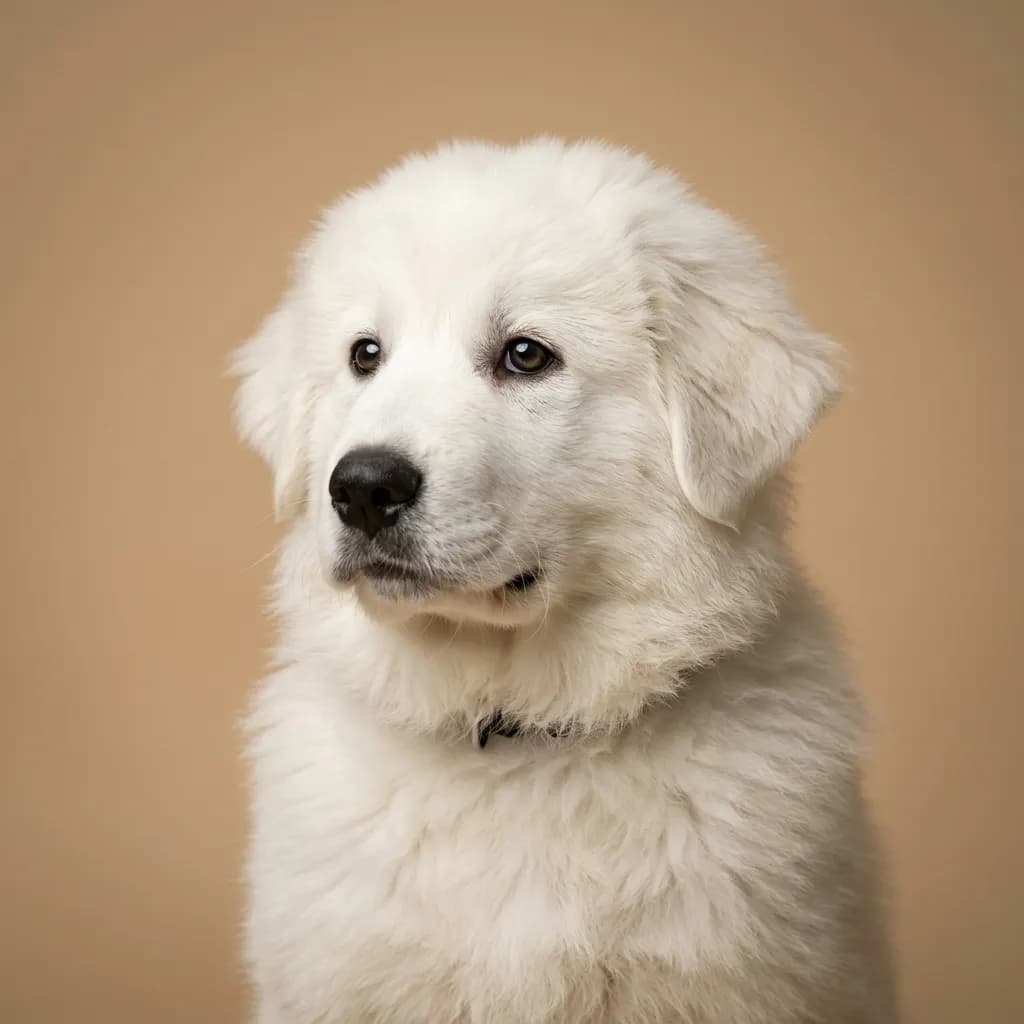
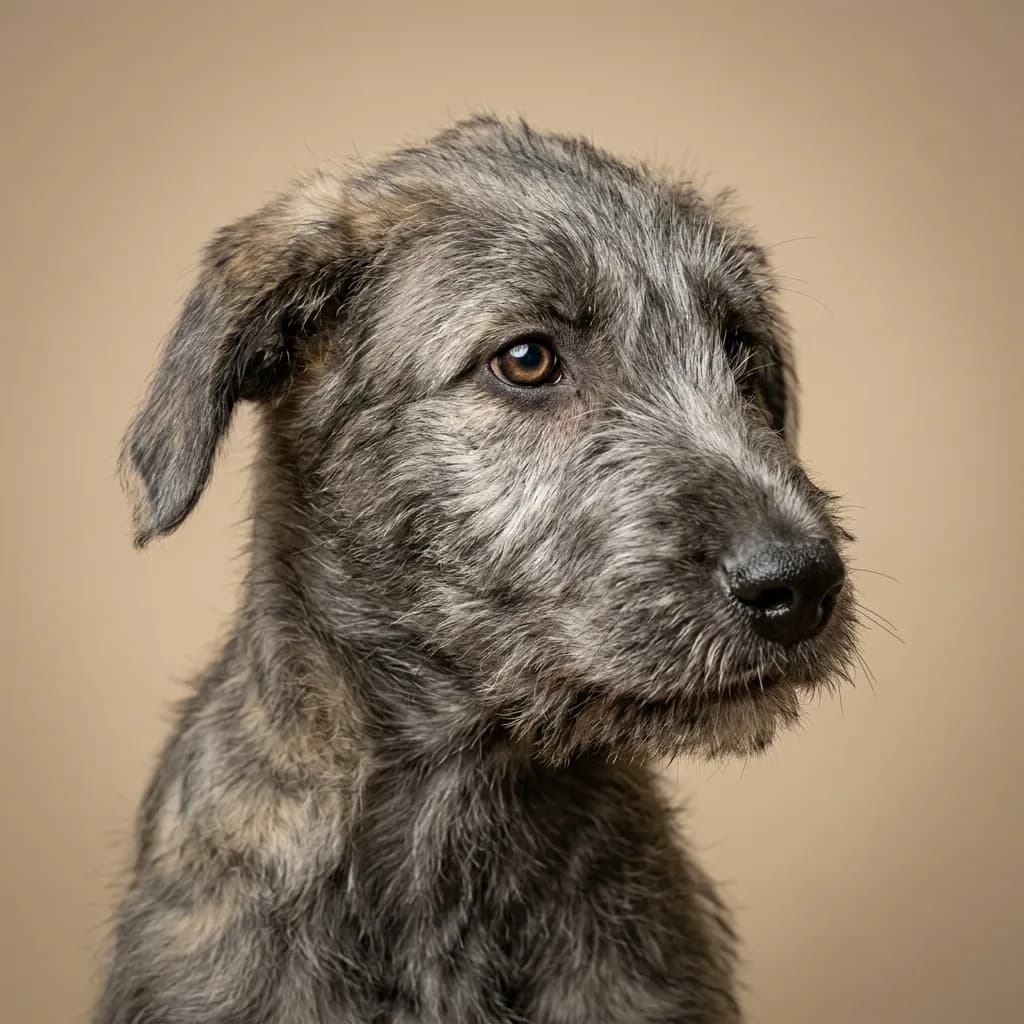
Not sure which breed fits your life?
Answer five questions about your home, your schedule, and your tolerance for shedding. We’ll match you to your top three breeds from over 200.
Great Pyrenees vs Irish Wolfhound
People compare Great Pyrenees and Irish Wolfhounds because they’re both massive, gentle giants that tower over most dogs and win hearts with their quiet dignity. At first glance, they seem like two sides of the same coin. fluffy, calm, and deeply devoted. But living with one versus the other? That’s where the story splits. The Great Pyrenees was born for cold mountain nights, guarding sheep in the French Pyrenees with a thick double coat and a watchful eye. He’s independent, will bark at a shadow, and won’t come when called if he thinks he’s on duty. You don’t own a Pyr; you negotiate with him. He’s a 100-pound fur-covered therapist who doubles as a night watchman. Great for rural homes, families with space, and anyone who doesn’t mind dog hair on everything. The Irish Wolfhound is the gentle soul in a giant’s body, bred to take down wolves but far more interested in napping on your couch. He’s lean, surprisingly quiet for his size, and melts around kids. But here’s the gut punch: he’ll likely only be with you 6 to 8 years. That short lifespan cuts deep, no matter how prepared you think you are. And while he’s easier to train than a Pyr, he’s fragile. prone to heart issues and bone cancer, and his sheer size means every step matters on hard floors. If you want a loyal, barking guardian for a farm or acreage and can handle shedding and independence, go Pyrenees. If you’ve got space, deep pockets, and want a serene giant who’ll lean on you like a velvety tower, and you can stomach losing him too soon, the Wolfhound will steal your heart. Here’s the truth beyond the data: both dogs are soft giants, but the Wolfhound gives you less time to love him. and that makes every moment matter more.
Trait-by-trait
Higher bar = more of that trait. Shedding, barking, drooling, grooming flipped for readability.Where they diverge
Choose the Great Pyrenees if…
- Livestock guardians
- Rural or farm living
- Families with children
- You value barking level — Great Pyrenees scores noticeably higher.
Choose the Irish Wolfhound if…
- Families with space
- Gentle companion seekers
- Owners with large homes
- You value good with other dogs — Irish Wolfhound scores higher here.