Great Pyrenees vs Japanese Chin
Side-by-side comparison across all 14 AKC trait ratings, with a clear verdict on which breed fits which kind of household.
Not sure which breed fits your life?
Answer five questions about your home, your schedule, and your tolerance for shedding. We’ll match you to your top three breeds from over 200.
Great Pyrenees vs Japanese Chin
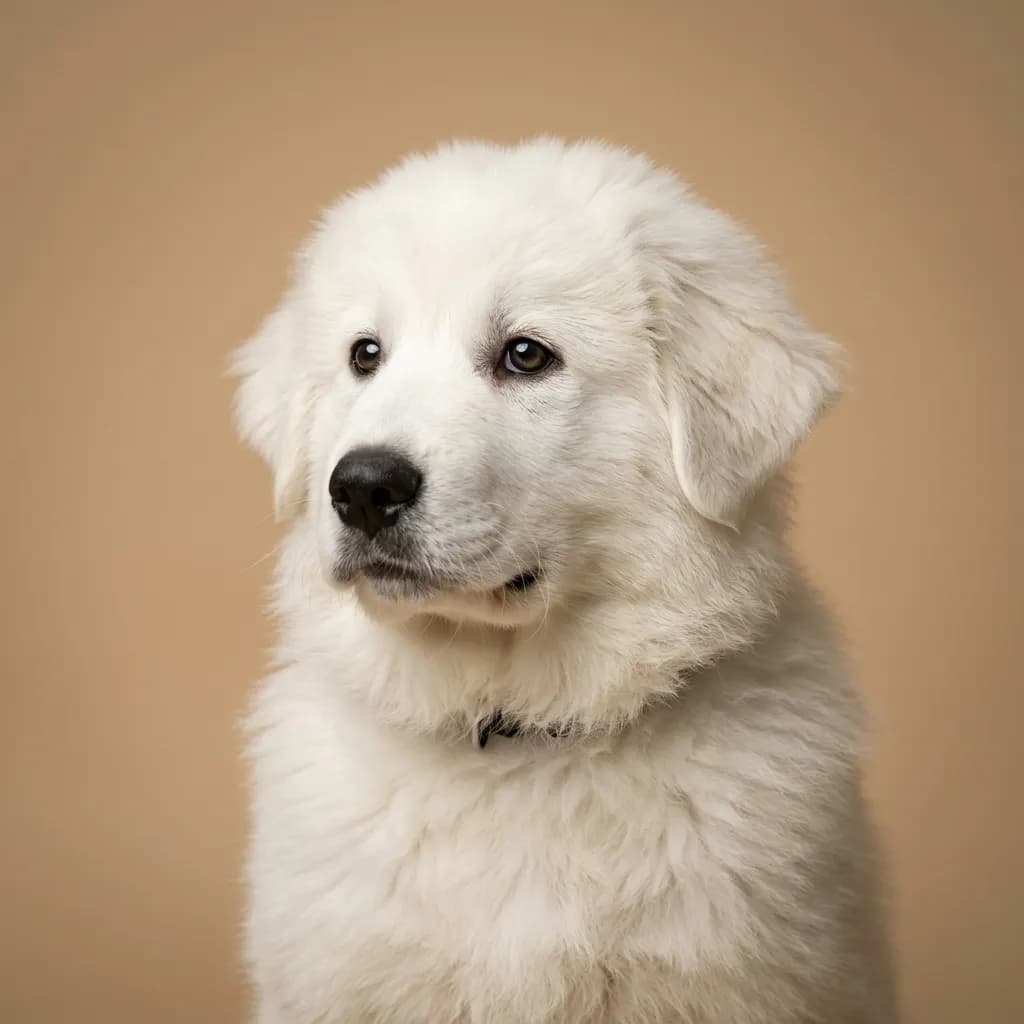
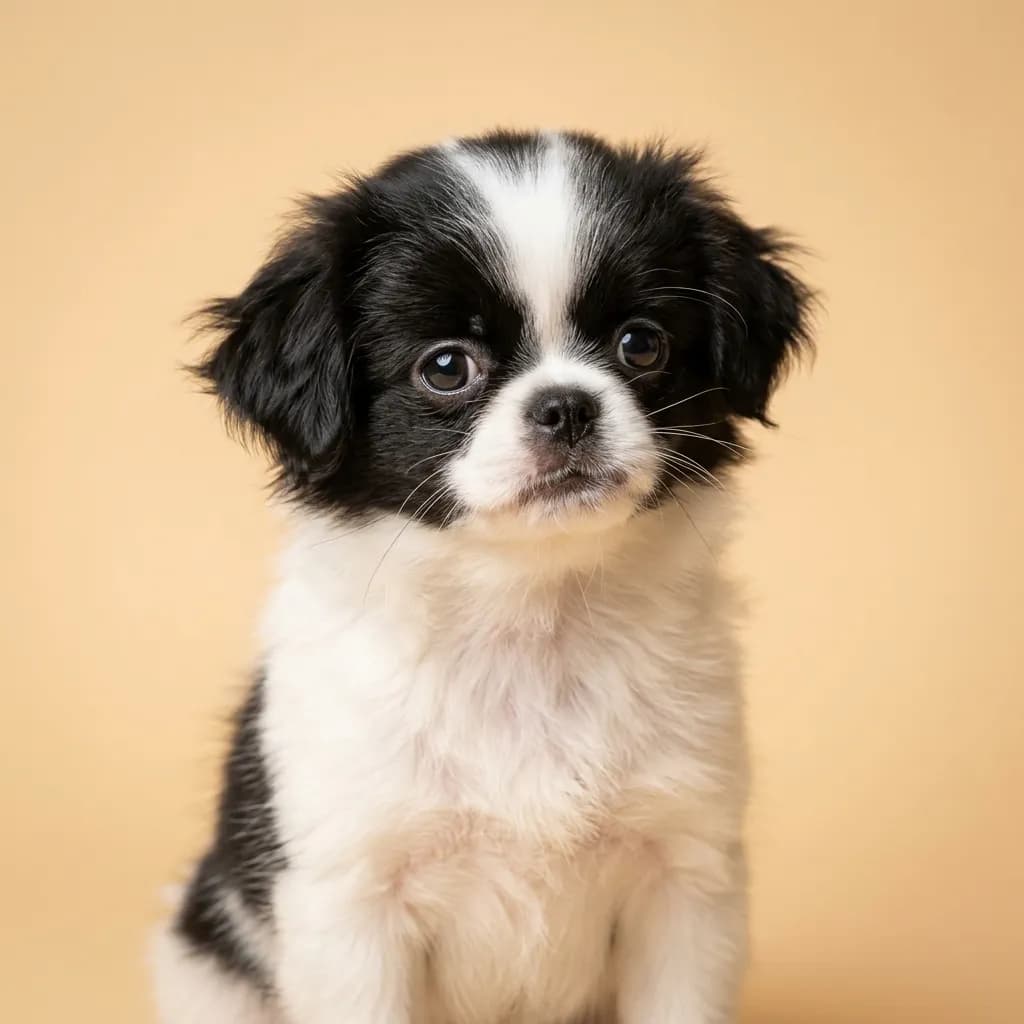
People compare the Great Pyrenees and Japanese Chin because they’re both regal, both affectionate, and both have that “noble” vibe that makes you feel like you’re living in a palace. just very different kinds of palaces. One belongs on a misty mountain pass guarding flocks, the other on a silk cushion beside a shogun. Choosing between them isn’t about which is “better”. it’s about which life you actually live. The Great Pyrenees is a gentle giant, built for cold nights and wide open spaces. You’ll find them calm, steady, and deeply bonded to their family, but don’t expect them to come when called off-leash. They’re independent thinkers bred to make judgment calls with wolves nearby. They shed year-round, need space, and can’t handle heat. If you’ve got a farm or a quiet rural home and want a loyal, calm guardian, they’re unmatched. The Japanese Chin is the opposite in scale but equal in devotion. They’re tiny, delicate, and thrive in apartments or quiet homes. They don’t bark much, love to perch on laps, and are deeply in tune with their person’s mood. But they’re not for rough households. kids need to be gentle, and outdoor adventures should be short and shaded. They’re prone to breathing and eye issues, so vet care matters. Here’s the real insight: both breeds are emotionally sensitive in ways people don’t expect. The Pyrenees may look stoic, but they don’t do well left alone for hours. The Chin may seem aloof, but they bond intensely and can develop anxiety if routines change. Affection runs deep in both. they just express it in different volumes. Pick the Pyrenees if you want a calm, living fence. Pick the Chin if you want a silent shadow who follows your every move.
Trait-by-trait
Higher bar = more of that trait. Shedding, barking, drooling, grooming flipped for readability.Where they diverge
Choose the Great Pyrenees if…
- Livestock guardians
- Rural or farm living
- Families with children
- You value drooling level — Great Pyrenees scores noticeably higher.
Choose the Japanese Chin if…
- Apartment dwellers
- Seniors
- Gentle quiet households
- You value good with other dogs — Japanese Chin scores higher here.