Great Pyrenees vs Lakeland Terrier
Side-by-side comparison across all 14 AKC trait ratings, with a clear verdict on which breed fits which kind of household.
Not sure which breed fits your life?
Answer five questions about your home, your schedule, and your tolerance for shedding. We’ll match you to your top three breeds from over 200.
Great Pyrenees vs Lakeland Terrier
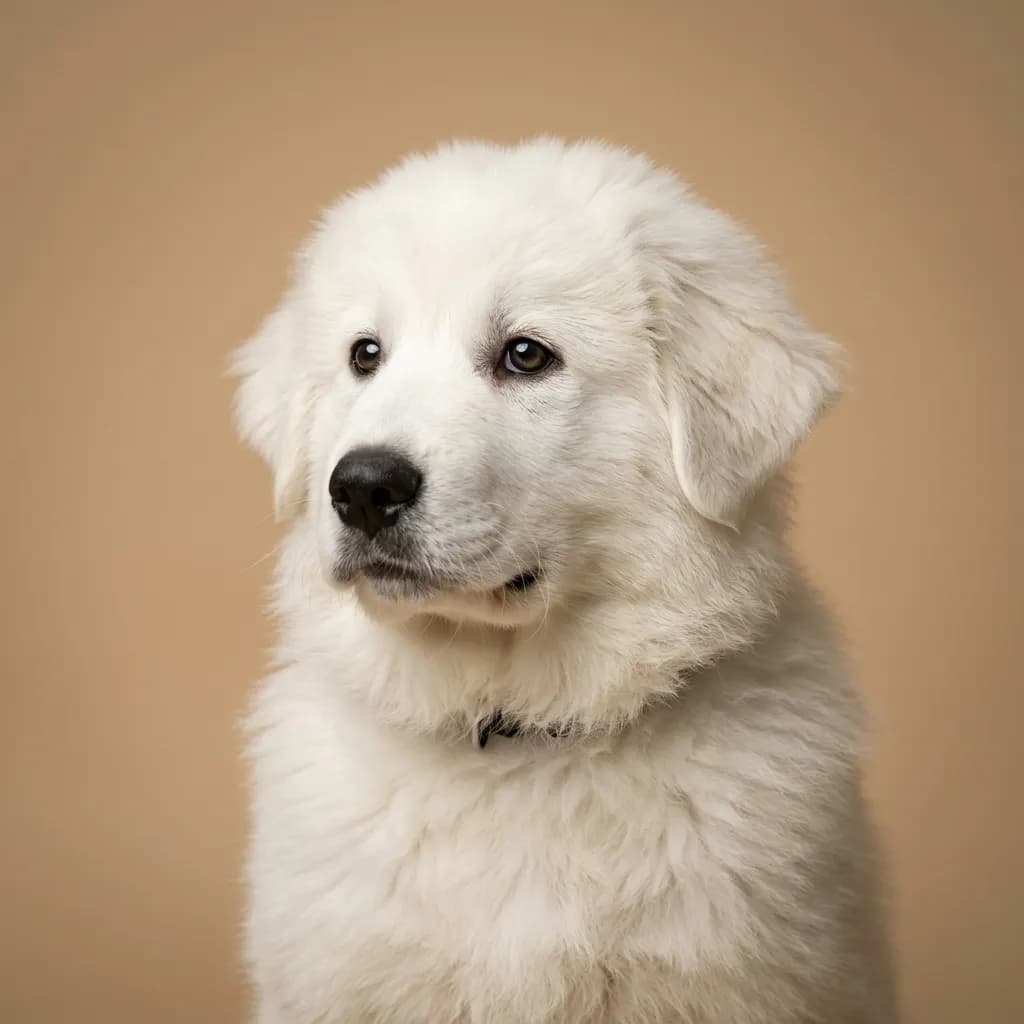
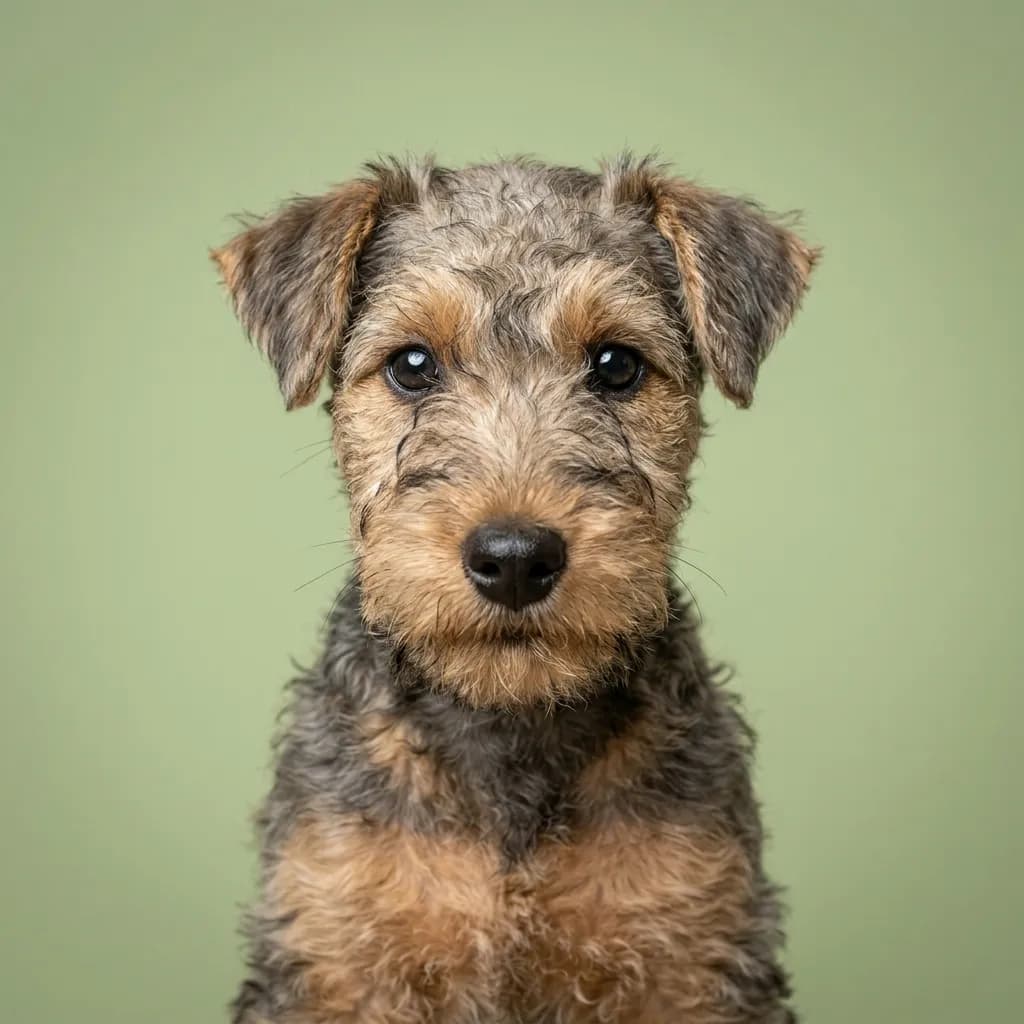
You’re probably not comparing a Great Pyrenees and a Lakeland Terrier unless you’re deep in the dog world or you’ve got wildly different lifestyles on your mind. One’s a mountain of fluff that looks like a small polar bear, the other a wiry little firecracker built for squeezing into fox dens. But people do cross-shop them. usually because they want a loyal, affectionate dog and are swayed by “good with kids” ratings. That’s where the similarities end. The Pyrenees is a gentle giant, bred to move with sheep in the cold, quiet isolation of high mountain passes. It’s calm, deeply affectionate, and will follow your kids like a silent guardian. But it’s not coming when you call it off a scent, and if you live in a townhouse or a hot climate, you’re fighting biology. It sheds year-round and barks at night. it’s a working livestock guardian, not a lap dog. The Lakeland Terrier? It’s bold, mentally sharp, and surprisingly adaptable. It’ll thrive in a city apartment if you give it daily challenges and walks, and it’s one of the better terriers for families with older kids. It doesn’t shed much, making it a real option for allergy sufferers. But don’t mistake its small size for ease. this dog was bred to chase, dig, and argue with foxes. It’s stubborn, can be snippy with small pets, and needs an owner who speaks fluent “terrier.” Here’s the real insight: The Pyrenees gives you presence. it changes how your property feels. The Lakeland changes how your days feel. it wants in, mentally and physically. Pick the Pyrenees if you want a serene, imposing companion for rural life. Pick the Lakeland if you want a tenacious little partner who’ll keep you on your toes.
Trait-by-trait
Higher bar = more of that trait. Shedding, barking, drooling, grooming flipped for readability.Where they diverge
Choose the Great Pyrenees if…
- Livestock guardians
- Rural or farm living
- Families with children
- You value drooling level — Great Pyrenees scores noticeably higher.
Choose the Lakeland Terrier if…
- Active owners
- Experienced terrier handlers
- Allergy sufferers
- You value playfulness — Lakeland Terrier scores higher here.