Great Pyrenees vs Pudelpointer
Side-by-side comparison across all 14 AKC trait ratings, with a clear verdict on which breed fits which kind of household.
Not sure which breed fits your life?
Answer five questions about your home, your schedule, and your tolerance for shedding. We’ll match you to your top three breeds from over 200.
Great Pyrenees vs Pudelpointer
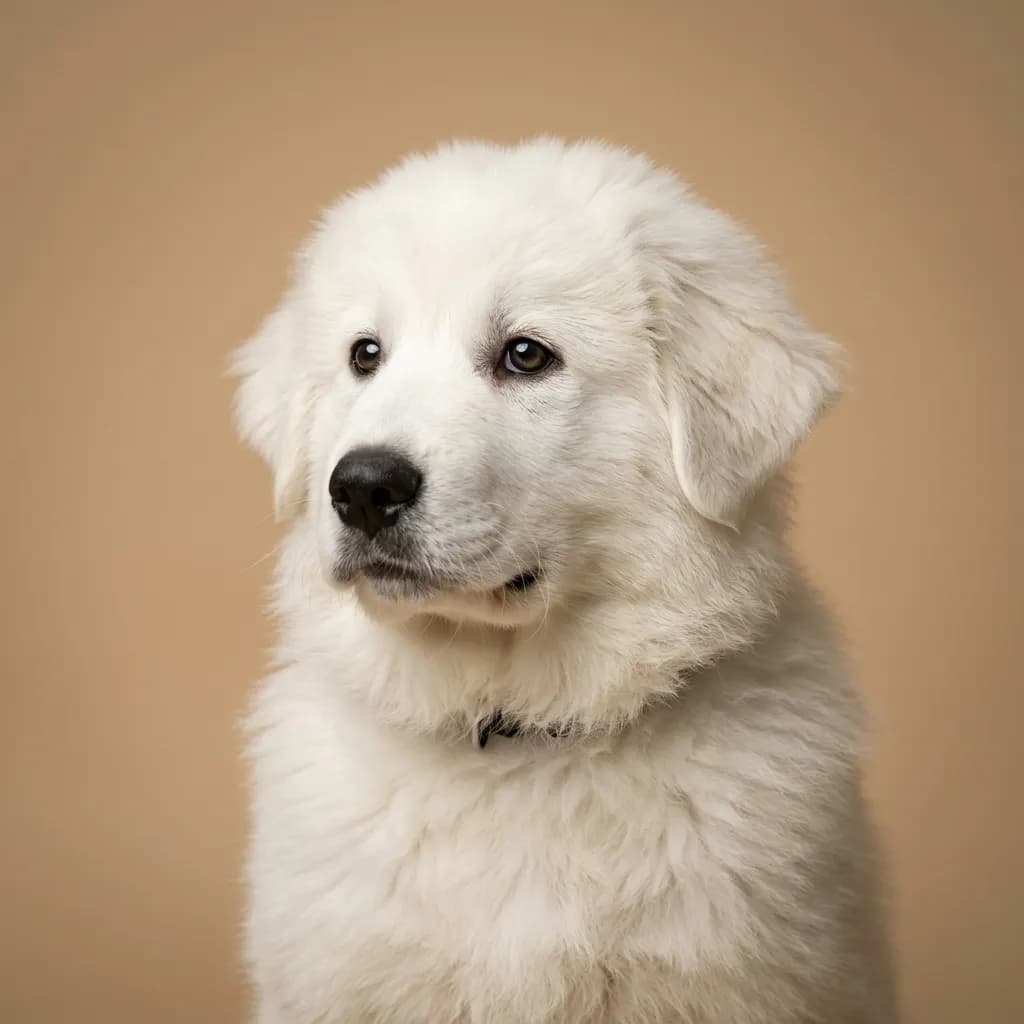
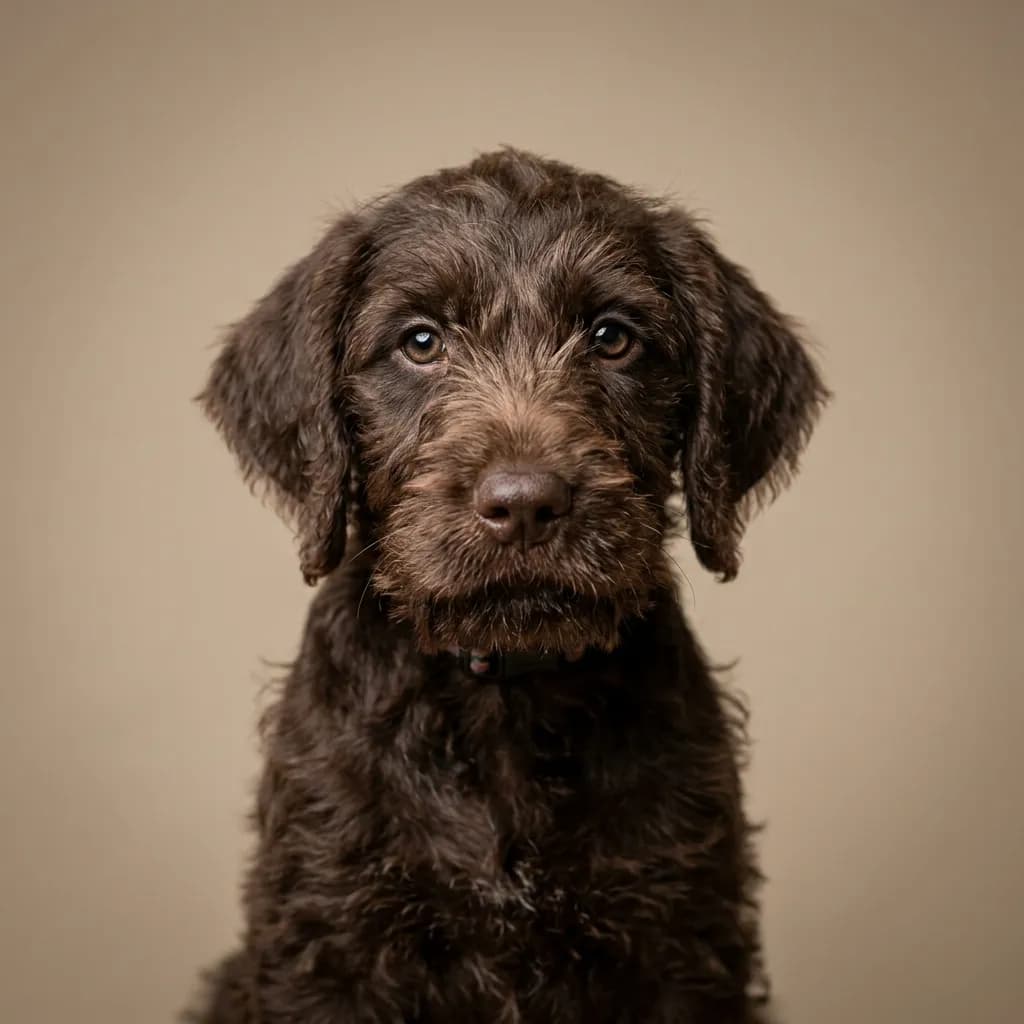
You’re probably not comparing a Great Pyrenees and a Pudelpointer unless you’re deep in the dog world or you’ve done a wild search for “big white dogs” and stumbled into two completely different universes. One’s a mountain-sized guardian bred to spend nights alone in snowdrifts watching over sheep, the other’s a German-engineered hunting machine built to point, retrieve, and swim for hours. They both can be white and fluffy, sure, but that’s like picking between a submarine and a sports car because they’re both gray. The Pyrenees is a gentle giant, calm in the yard but hyper-alert at night, wired to protect without being told. You’ll love their quiet devotion, but don’t expect off-leash reliability. this dog was bred to work independently, miles from human help. They shed seasonally like it’s their job, and if you live somewhere hot or don’t have a fence, you’ll be miserable. They’re happiest on a farm, not in a condo. The Pudelpointer? This dog needs a job. If you’re a hunter or an endurance athlete who wants a dog in the duck blind or on 10-mile trail hikes, they’re magic. They’re smarter and more eager to learn than the Pyrenees, thrive on training, and bond tightly with their people. But leave them bored and they’ll dismantle your porch. Here’s the real talk: the Pyrenees looks calm, but emotionally, they’re intense watchers. The Pudelpointer seems energetic, but they’re actually easier to train because they crave direction. If you want a dog that needs you to lead, pick the Pudelpointer. If you want a dog that considers itself the head of security, get the Pyrenees. but know you’re signing up to manage a guardian, not just a pet.
Trait-by-trait
Higher bar = more of that trait. Shedding, barking, drooling, grooming flipped for readability.Where they diverge
Choose the Great Pyrenees if…
- Livestock guardians
- Rural or farm living
- Families with children
- You value watchdog / protective — Great Pyrenees scores noticeably higher.
Choose the Pudelpointer if…
- hunters
- very active owners
- waterfowl and upland bird hunters
- You value trainability — Pudelpointer scores higher here.