Greater Swiss Mountain Dog vs Saint Bernard
Side-by-side comparison across all 14 AKC trait ratings, with a clear verdict on which breed fits which kind of household.
Not sure which breed fits your life?
Answer five questions about your home, your schedule, and your tolerance for shedding. We’ll match you to your top three breeds from over 200.
Greater Swiss Mountain Dog vs Saint Bernard
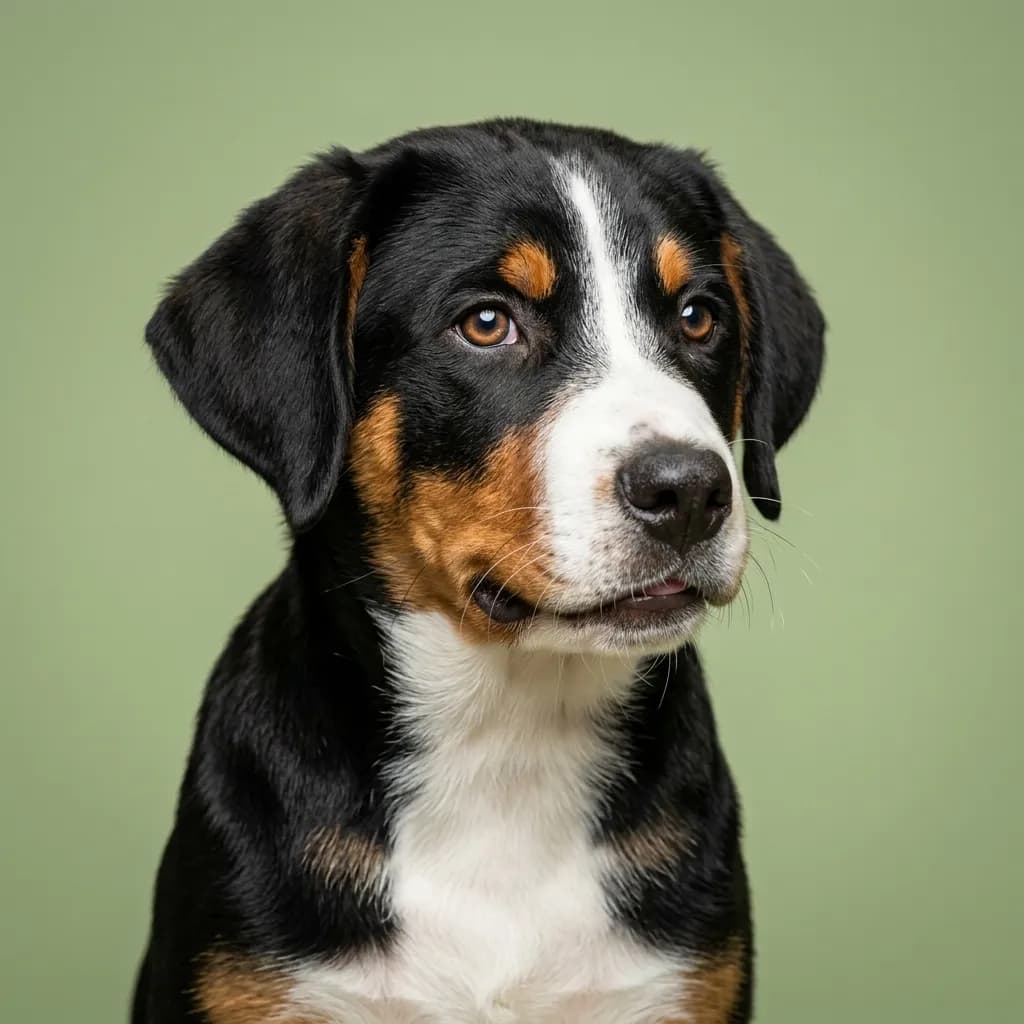
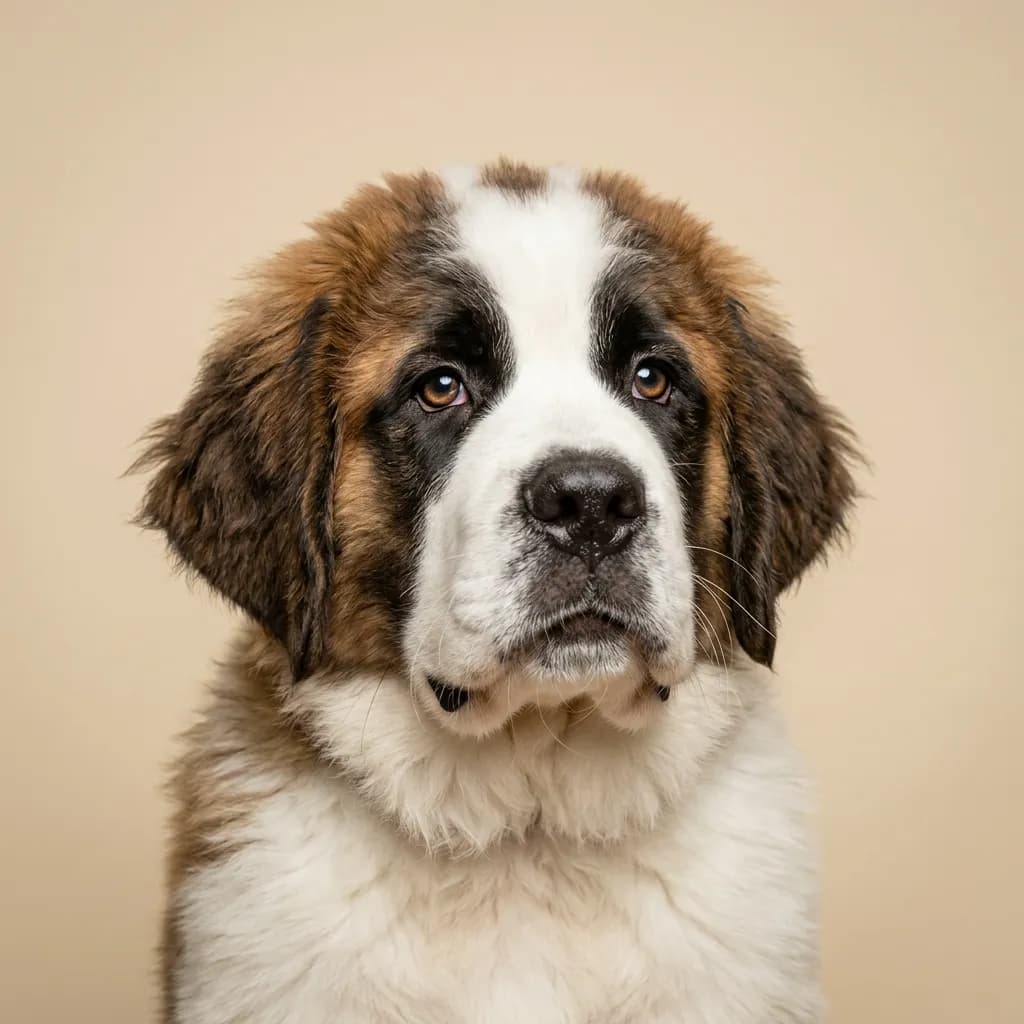
People compare Greater Swiss Mountain Dogs and Saint Bernards because they’re both massive, gentle Swiss mountain breeds with big hearts and even bigger footprints. They look like they could be cousins, and both will happily lean on you during movie night. But if you’re choosing between them, the real difference isn’t just size. it’s rhythm. The Swissy is the more energetic of the two, built like a draft horse with a spring in its step. You’ll need a yard, daily walks, and maybe a cart to keep its body and brain busy. It’s eager to please, picks up training quickly, and thrives when it has a job. But it won’t last past 11 years on average, and bloat is a real threat. so slow those meals and skip the kibble bowl on the floor. The Saint Bernard is slower, calmer, more laid-back. It’s the dog that watches the kids from the porch like a furry sentinel, rarely barking, happy in cooler climates. Yes, it drools like a sprinkler and sheds plenty, but it’s incredibly tolerant with kids and adapts well to suburban life. just don’t expect agility trials. Its health concerns run deeper, with heart disease and bone cancer as real risks. Here’s the unspoken truth: both are short-lived. You’re signing up for a love story that ends too soon. That’s the price of owning a giant. If you want a partner for outdoor adventures and can handle the upkeep, go Swissy. If you want a calm, drooly teddy bear who’ll gently dominate your couch, the Saint Bernard’s your guy. Either way, your home won’t be your own. but you’ll never feel alone.
Trait-by-trait
Higher bar = more of that trait. Shedding, barking, drooling, grooming flipped for readability.Where they diverge
Choose the Greater Swiss Mountain Dog if…
- Active families
- Draft and carting sports
- Rural or suburban living
- You value good with strangers — Greater Swiss Mountain Dog scores noticeably higher.
Choose the Saint Bernard if…
- Families with children
- Those wanting a gentle giant
- Cold climate households
- You value drooling level — Saint Bernard scores higher here.