Greyhound vs Icelandic Sheepdog
Side-by-side comparison across all 14 AKC trait ratings, with a clear verdict on which breed fits which kind of household.

Not sure which breed fits your life?
Answer five questions about your home, your schedule, and your tolerance for shedding. We’ll match you to your top three breeds from over 200.
Greyhound vs Icelandic Sheepdog
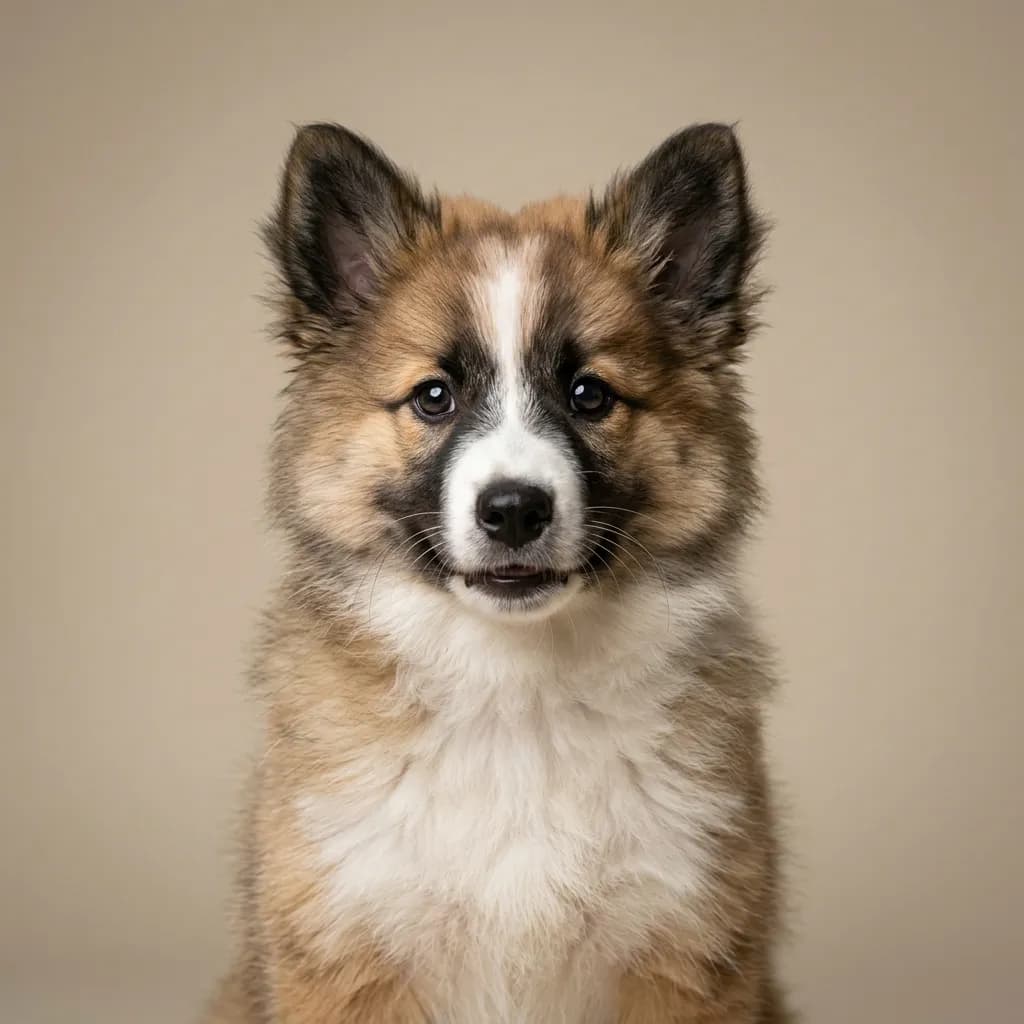
People compare Greyhounds and Icelandic Sheepdogs because both are surprisingly adaptable, affectionate, and clean for their size. on paper. But that’s where the similarities end. Think of it like this: one’s a retired race car built for straight-line speed that now naps in the garage, the other’s a cheerful mountain guide who just won’t stop talking about the trail. The Greyhound is a paradox. At 70 pounds and nearly three feet tall, it takes up space but not energy. most live like couch-bound retirees indoors. They’re quiet, low-shedding, and deeply sensitive, making them ideal for calm households. But don’t be fooled by their serenity. Outdoors, they’re sprinters built for open fields, and if they spot a squirrel, they’ll be gone before you blink. They don’t do well with small pets and aren’t the best fit for homes with toddlers darting around. And while they’re affectionate, they’re not eager-to-please puppets. Training is possible, but it’s on their terms. The Icelandic Sheepdog, half the size but twice the voice, is a social butterfly with a motor. Bred to work rugged terrain in Iceland, they’re alert, bouncy, and constantly engaged. They thrive on interaction, adore kids, and pick up training fast. But they bark. often, and with opinion. They need cold weather, daily mental challenges, and serious exercise. An apartment can work, but only if you’re committed to long hikes and brain games. Here’s the real insight: Greyhounds win hearts by surprising you with their calm; Icelandic Sheepdogs win by never letting you forget they’re there. You choose the Greyhound for peace. You choose the Icelandic Sheepdog for joy. with noise.
Trait-by-trait
Higher bar = more of that trait. Shedding, barking, drooling, grooming flipped for readability.Where they diverge
Choose the Greyhound if…
- Apartment dwellers (surprisingly calm indoors)
- Adoption-minded owners (many ex-racers)
- Low-maintenance coat owners
Choose the Icelandic Sheepdog if…
- Active families
- Cold climates
- Families with children
- You value good with young children — Icelandic Sheepdog scores higher here.