Hanoverian Scenthound vs Havanese
Side-by-side comparison across all 14 AKC trait ratings, with a clear verdict on which breed fits which kind of household.
Not sure which breed fits your life?
Answer five questions about your home, your schedule, and your tolerance for shedding. We’ll match you to your top three breeds from over 200.
Hanoverian Scenthound vs Havanese
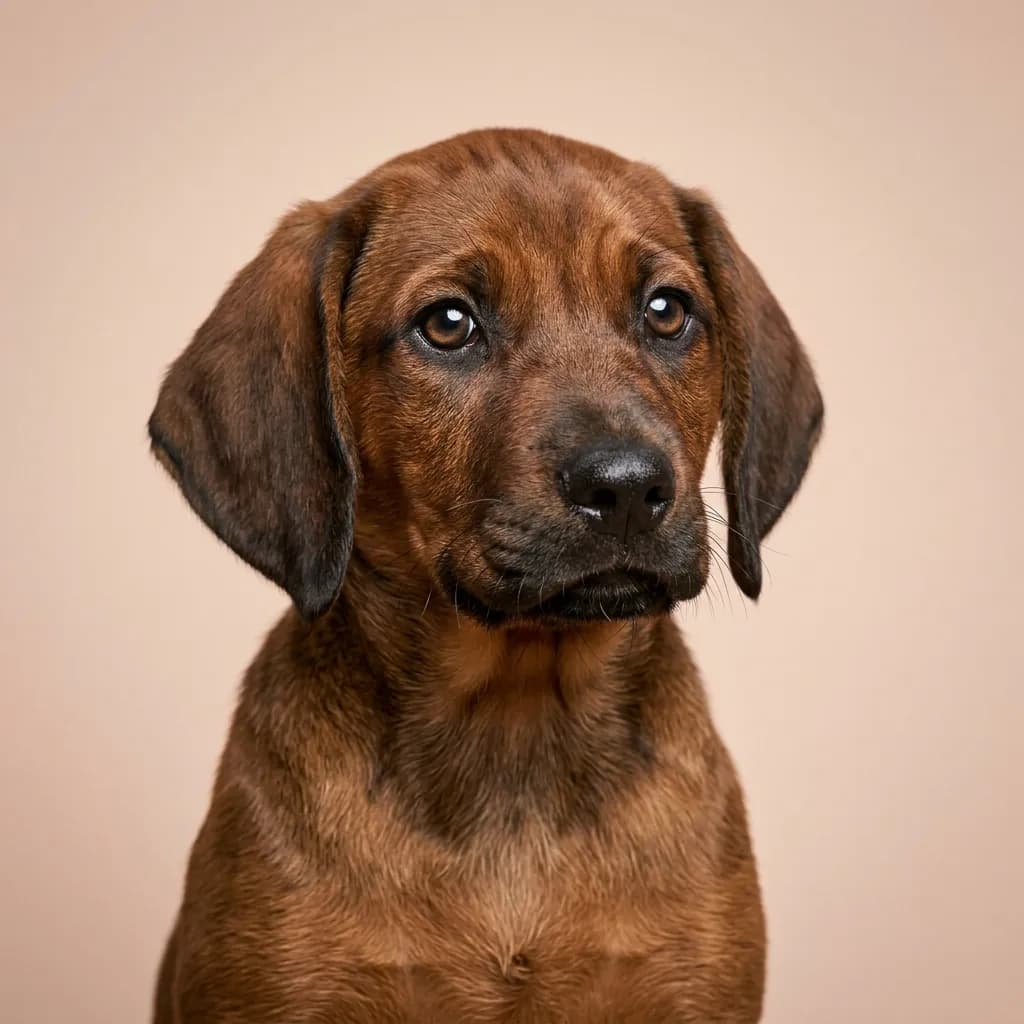
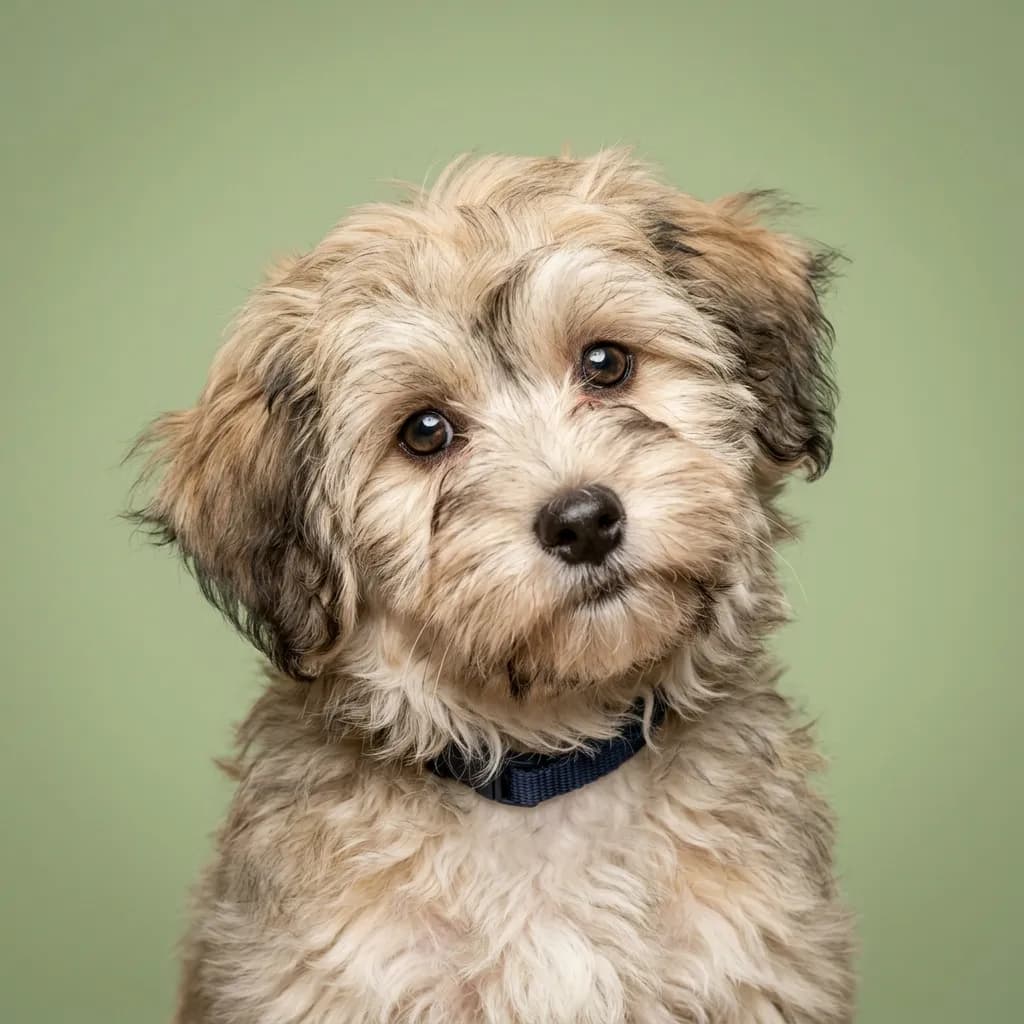
You’re probably not cross-shopping a 90-pound German game tracker and a 10-pound Cuban lapdog. unless you’re deep in the weeds of barking breeds with big personalities. That’s likely why these two come up together: both are vocal, devoted, and thrive on engagement. But that’s where the story splits hard. The Hanoverian Scenthound was built for one job: follow a blood trail through dense forest for miles, calm and relentless, rain or dark. You’ll get that same focus at home, but it doesn’t translate to city life. This dog needs space, purpose, and hours of scent work. Without it, the barking turns obsessive, the independence turns stubborn, and the 90-pound body packs on weight fast. It’s loyal, yes, but not a snuggler. It’s the dog you admire more than cuddle. The Havanese is the opposite. It lives to charm, learn tricks, and camp in your shadow. It’s the dog that learns “spin,” “play dead,” and “go get Mom’s slippers” just for the praise. Bred for silk-robe companionship, not survival in the Black Forest, it adapts to apartments, odd schedules, and chaotic kids. But don’t be fooled by the fluffy coat. it’s high-maintenance, and leave them alone too long and they’ll howl like they’ve been abandoned. Here’s the real insight: both demand emotional investment, just in different currencies. The Hanoverian wants a job that challenges his nose. The Havanese wants a job that involves your attention. Pick the Scenthound if you hunt or train tracking dogs and live where he can roam. Pick the Havanese if you want a dog that feels like family, not a partner in the field. One’s a specialist. The other’s a hug in dog form. Know which you’re signing up for.
Trait-by-trait
Higher bar = more of that trait. Shedding, barking, drooling, grooming flipped for readability.Where they diverge
Choose the Hanoverian Scenthound if…
- hunters and trackers
- experienced large-breed owners
- rural environments
- You value shedding level — Hanoverian Scenthound scores noticeably higher.
Choose the Havanese if…
- Apartment dwellers
- Seniors
- Families with children
- You value good with young children — Havanese scores higher here.