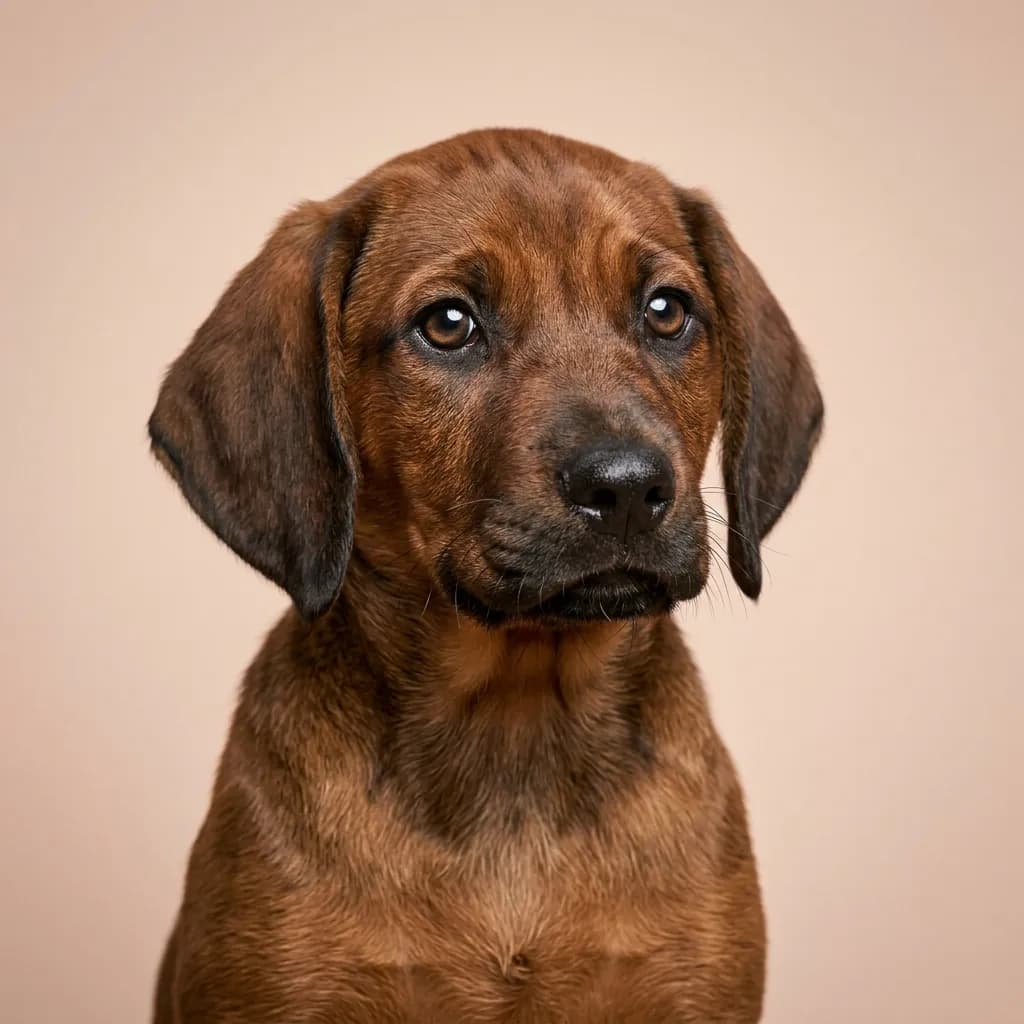
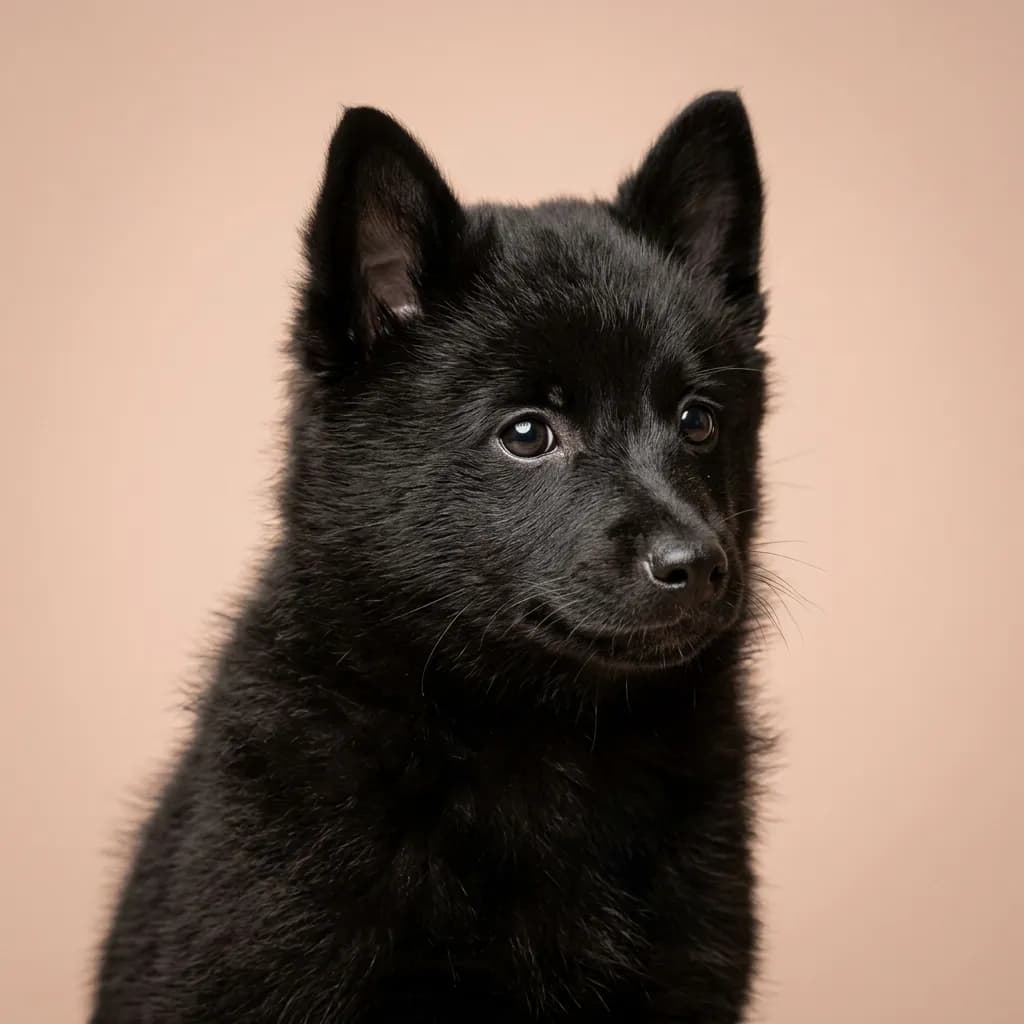
Hanoverian Scenthound vs Schipperke
Side-by-side comparison across all 14 AKC trait ratings, with a clear verdict on which breed fits which kind of household.
Not sure which breed fits your life?
Answer five questions about your home, your schedule, and your tolerance for shedding. We’ll match you to your top three breeds from over 200.
Hanoverian Scenthound vs Schipperke
You’re probably not comparing a 90-pound German tracking hound to a 12-pound Belgian barge rat-chaser because they look alike. they don’t. You’re here because someone mentioned both are “independent,” “alert,” and “not for couch potatoes,” and now you’re confused. Let’s clear that up. The Hanoverian Scenthound is a working machine built for one thing: follow a scent trail for miles, no shortcuts, no quitting. It’s calm in the house but don’t be fooled. this dog needs a job. If you’re not planning to do trailing, hunting, or at least serious nosework games, you’ll have a frustrated 90-pound athlete tearing up your backyard. It’s loyal but not clingy, and it won’t do well in an apartment or with owners who work 12-hour days. Kids? They’re okay with them, but the dog’s size and drive make it better for homes with older, respectful children. The Schipperke, meanwhile, is like a furry little sentry with a Napoleon complex. It’s bold, always watching, always barking at the mailman like he’s breaking and entering. It’s affectionate in a “follow-you-into-the-bathroom” way and adapts well to smaller homes. if you give it daily walks and mental junk to chew on. But it’s not for anyone who wants a quiet dog. And that thick mane sheds, despite what some claim. Here’s the real difference: the Hanoverian needs purpose. The Schipperke needs presence. Pick the hound if you hunt or track. Pick the Schipperke if you want a tiny, fearless shadow who thinks he’s ten times his size. One’s built for wilderness. The other? For winning the neighborhood watch presidency.
Trait-by-trait
Higher bar = more of that trait. Shedding, barking, drooling, grooming flipped for readability.Where they diverge
Choose the Hanoverian Scenthound if…
- hunters and trackers
- experienced large-breed owners
- rural environments
- You value good with other dogs — Hanoverian Scenthound scores noticeably higher.
Choose the Schipperke if…
- Active owners
- Those wanting a small but bold breed
- Suburban or rural settings
- You value watchdog / protective — Schipperke scores higher here.