Havanese vs Karelian Bear Dog
Side-by-side comparison across all 14 AKC trait ratings, with a clear verdict on which breed fits which kind of household.

Not sure which breed fits your life?
Answer five questions about your home, your schedule, and your tolerance for shedding. We’ll match you to your top three breeds from over 200.
Havanese vs Karelian Bear Dog
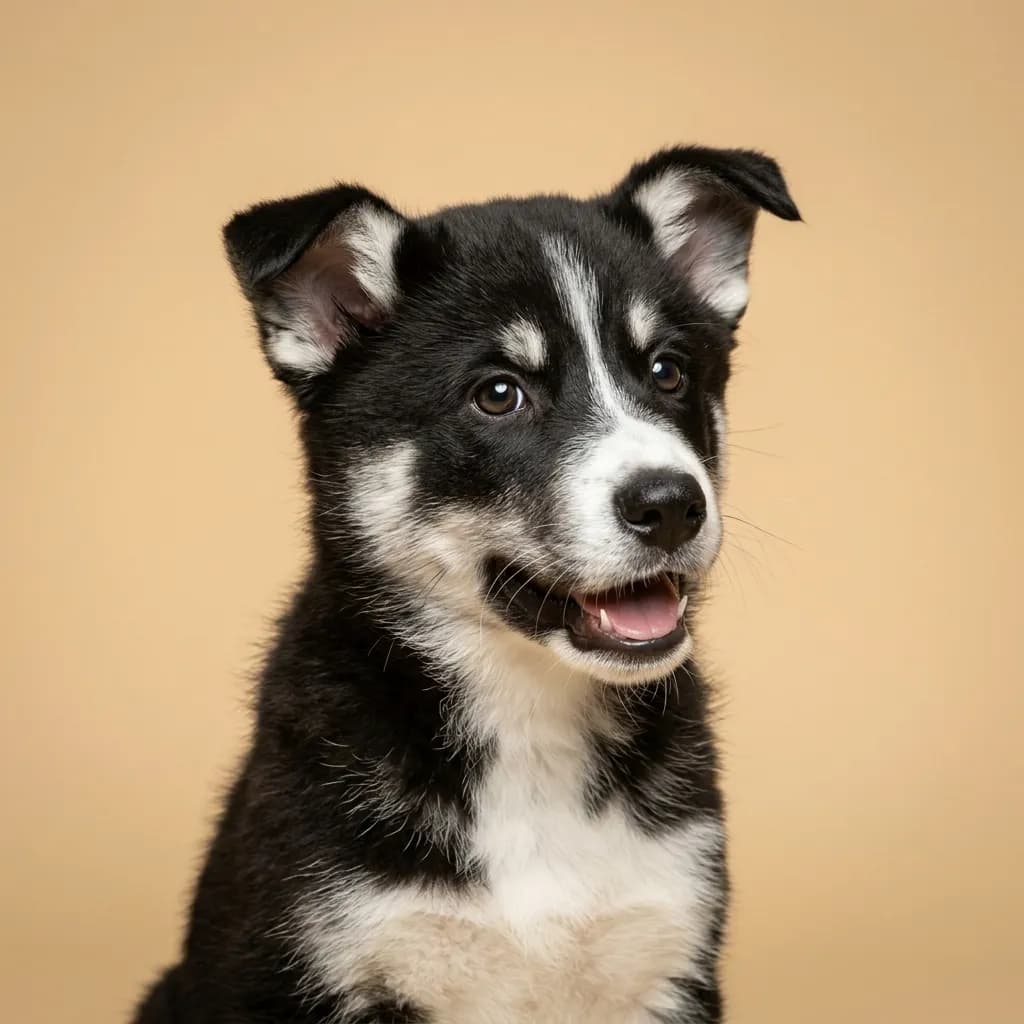
You don’t see Havanese and Karelian Bear Dogs in the same conversation unless someone’s deep in the weeds of dog breeds or got lost on a breed selector quiz. But here we are, and the truth is these two couldn’t be more opposite if one was bred to charm at cocktail parties and the other to stare down a moose. And… well, they kind of were. The Havanese is the ultimate people pleaser. At under 13 pounds, this tiny, silky-coated clown lives for attention, thrives in apartments, and will follow you to the bathroom like a furry shadow. They’re smart, adaptable, and melt around kids. But don’t be fooled. they don’t do solitude. Leave them alone too long and you’ll come home to shredded pillows and guilt-inducing howls. They’re not high-energy but they are high-need. Now flip the script: the Karelian Bear Dog. This 50-pound, black-and-white Finnish powerhouse was literally bred to harass bears. Not scare them off. Not run. Harrass. They’re fearless, intensely focused, and bond tightly. but on their terms. They’re not mean, but they’re not cuddly. Kids? Not their thing. Other dogs? Often a hard no. They need space, cold weather, and a job. ideally involving tracking wildlife. The real difference isn’t size or coat. It’s purpose. The Havanese exists to love and be loved. The Karelian exists to work, protect, and patrol. One fits in a tote bag. The other belongs in a forest clearing at dawn, doing its ancient job. If you want a dog that feels like family, picks up tricks fast, and lives to snuggle, go Havanese. If you live off-grid, hunt, and want a loyal but fiercely independent partner, consider the Karelian. Just know. this isn’t a “cute dog” choice. It’s a lifestyle commitment.
Trait-by-trait
Higher bar = more of that trait. Shedding, barking, drooling, grooming flipped for readability.Where they diverge
Choose the Havanese if…
- Apartment dwellers
- Seniors
- Families with children
- You value good with young children — Havanese scores noticeably higher.
Choose the Karelian Bear Dog if…
- Experienced dog owners
- Hunters of large game
- Cold climates
- You value watchdog / protective — Karelian Bear Dog scores higher here.