Havanese vs Shikoku
Side-by-side comparison across all 14 AKC trait ratings, with a clear verdict on which breed fits which kind of household.
Not sure which breed fits your life?
Answer five questions about your home, your schedule, and your tolerance for shedding. We’ll match you to your top three breeds from over 200.
Havanese vs Shikoku
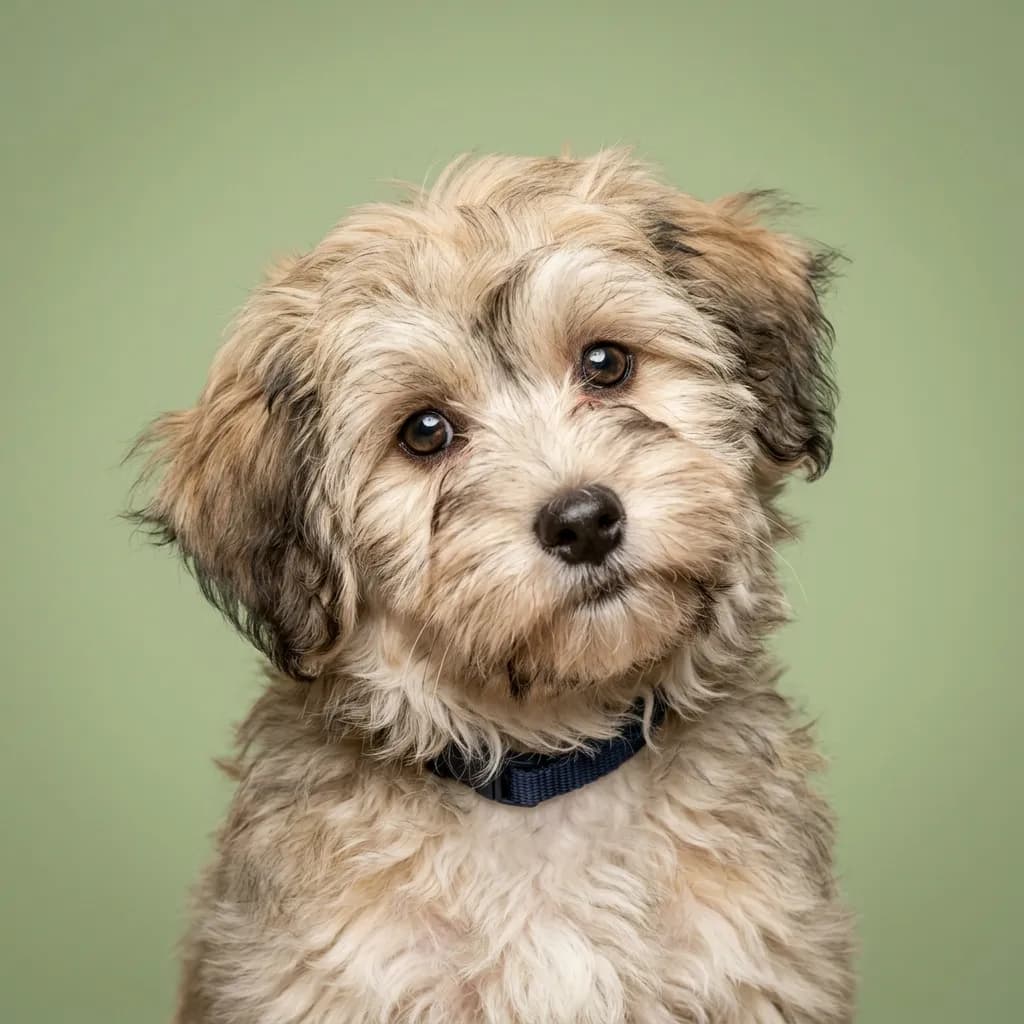
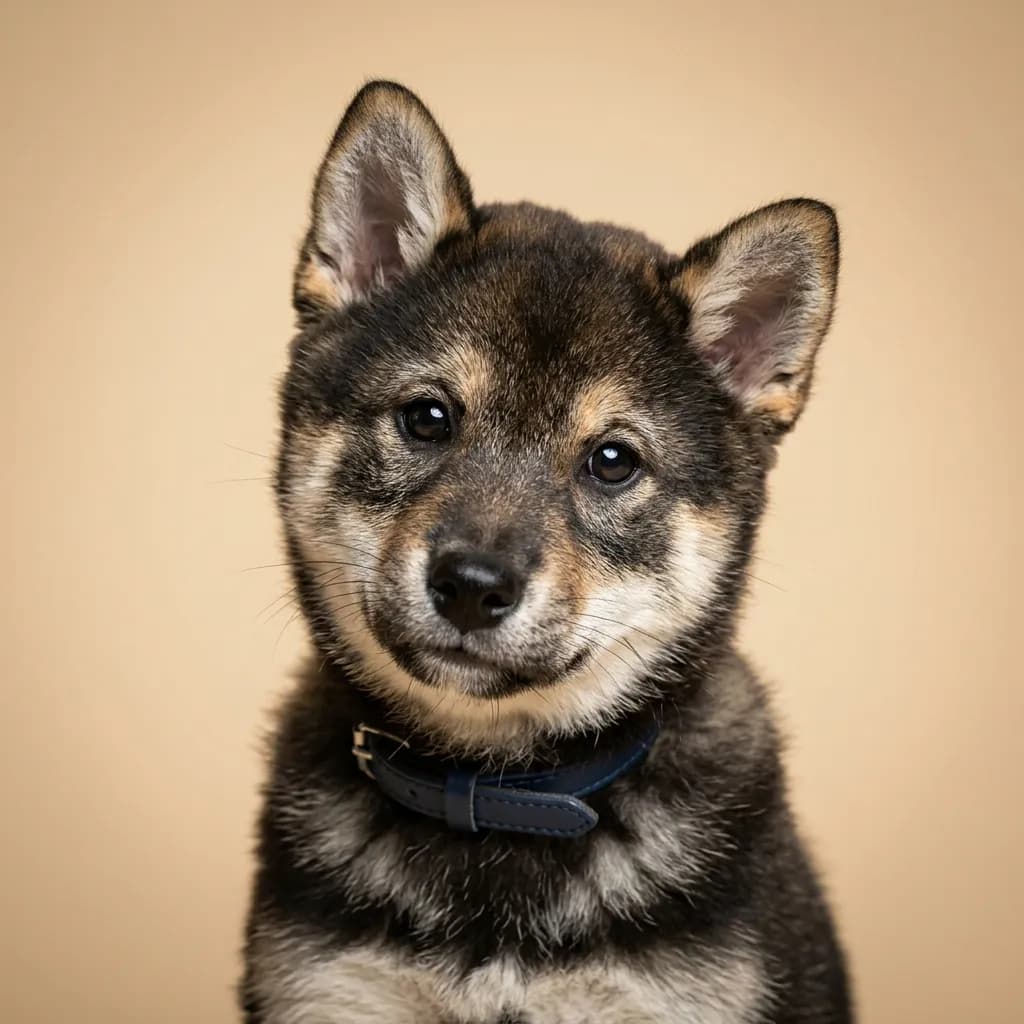
People compare Havanese and Shikoku because they’re both charming, non-herding breeds with a kind of old-world appeal, but that’s where the similarities end. You’re not choosing between two versions of the same idea. You’re picking a lifestyle. The Havanese is your cheerful, velvety shadow. At 10 pounds, it’s built to curl up on your lap during a rainy afternoon movie, thrive in a downtown studio, and win over every kid in the building. It’s the breed that remembers your schedule, barks when the mail arrives, and gets separation anxiety if left alone past its emotional limit. This dog wants to be with you, always. It’s smart and eager, yes, but it’s bred for companionship, not conquest. You’ll brush it a few times a week and accept the mild shedding trade-off for that soft, wavy coat. The Shikoku, meanwhile, is a mountain dog in a suburban world. At 45 pounds, it’s built for rugged terrain, not coffee tables. It’s alert, reserved with strangers, and independent in a way that can read as aloof. This isn’t a dog that follows you to the bathroom because it can’t bear to miss you. it’s checking the perimeter, ears sharp, making its own decisions. Training takes consistency; it’s not stubborn, just thoughtful. It bonds deeply but on its own terms. You’ll need space, time outdoors, and the patience to work with its instincts, not against them. If you’re a first-time owner or live in an apartment, the Havanese fits. If you’re an experienced handler who hikes, camps, or wants a dog with wild dignity, the Shikoku might call to you. Here’s the real insight: the Havanese will change to match your life. The Shikoku will ask you to change to match its world. Pick accordingly.
Trait-by-trait
Higher bar = more of that trait. Shedding, barking, drooling, grooming flipped for readability.Where they diverge
Choose the Havanese if…
- Apartment dwellers
- Seniors
- Families with children
- You value adaptability — Havanese scores noticeably higher.
Choose the Shikoku if…
- Experienced dog owners
- Active outdoor enthusiasts
- Those wanting a primitive, independent breed
- You value shedding level — Shikoku scores higher here.