Havanese vs Swedish Vallhund
Side-by-side comparison across all 14 AKC trait ratings, with a clear verdict on which breed fits which kind of household.

Not sure which breed fits your life?
Answer five questions about your home, your schedule, and your tolerance for shedding. We’ll match you to your top three breeds from over 200.
Havanese vs Swedish Vallhund
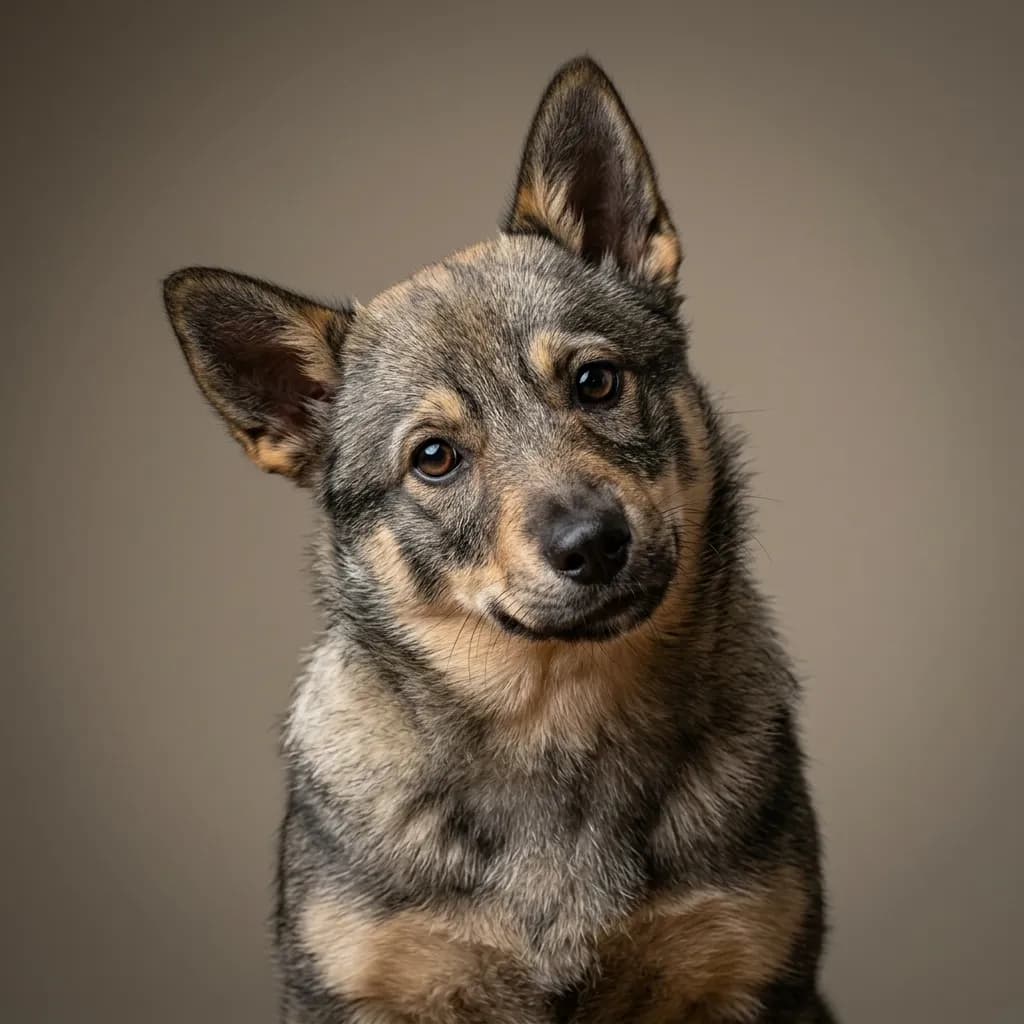
You wouldn’t think someone would compare a fluffy lapdog from Cuba with a short-legged Viking-era cattle driver from Sweden. but here we are. The Havanese and Swedish Vallhund come up together when folks want a small, affectionate dog that’s good with kids and game for family life. That’s where the similarities start. and mostly end. The Havanese is the ultimate companion dog. At under 13 pounds, this toy breed lives to bond. You’ll find them curled on your lap, learning tricks for a treat, or barking cheerfully at the mail carrier. They’re adaptable as can be. perfect for apartments, seniors, or first-time owners. but don’t mistake their sweetness for independence. Leave them alone too long and they’ll develop separation anxiety, fast. Their silky coat looks high-maintenance but is actually hypoallergenic and sheds very little. though it tangles if you skip brushing. They’re smart and eager, but their mental needs are modest. They’re happy just being with you. Now, the Swedish Vallhund? Same people-loving heart, but a working dog soul. He’s nearly three times heavier, built low and tough, with a fox-like spark in his eye. Bred to nip at cows’ heels, he’s got bigger energy, sharper instincts, and a need for mental challenges. He’ll herd your kids around the yard if you let him. He sheds. seriously. especially in spring, so forget “no vacuum” homes. But he’s just as devoted, just as good with families. Here’s the real difference: the Havanese wants to be your shadow. The Vallhund wants to work for you. If your ideal dog is a cuddler who thrives on calm routines, go Havanese. If you hike, train, or want a dog with a job. even if it’s just agility class. take the little Viking.
Trait-by-trait
Higher bar = more of that trait. Shedding, barking, drooling, grooming flipped for readability.Where they diverge
Choose the Havanese if…
- Apartment dwellers
- Seniors
- Families with children
- You value good with other dogs — Havanese scores noticeably higher.
Choose the Swedish Vallhund if…
- Active families
- Dog sports enthusiasts
- First-time dog owners willing to train
- You value shedding level — Swedish Vallhund scores higher here.