Hokkaido vs Norwegian Lundehund
Side-by-side comparison across all 14 AKC trait ratings, with a clear verdict on which breed fits which kind of household.
Not sure which breed fits your life?
Answer five questions about your home, your schedule, and your tolerance for shedding. We’ll match you to your top three breeds from over 200.
Hokkaido vs Norwegian Lundehund
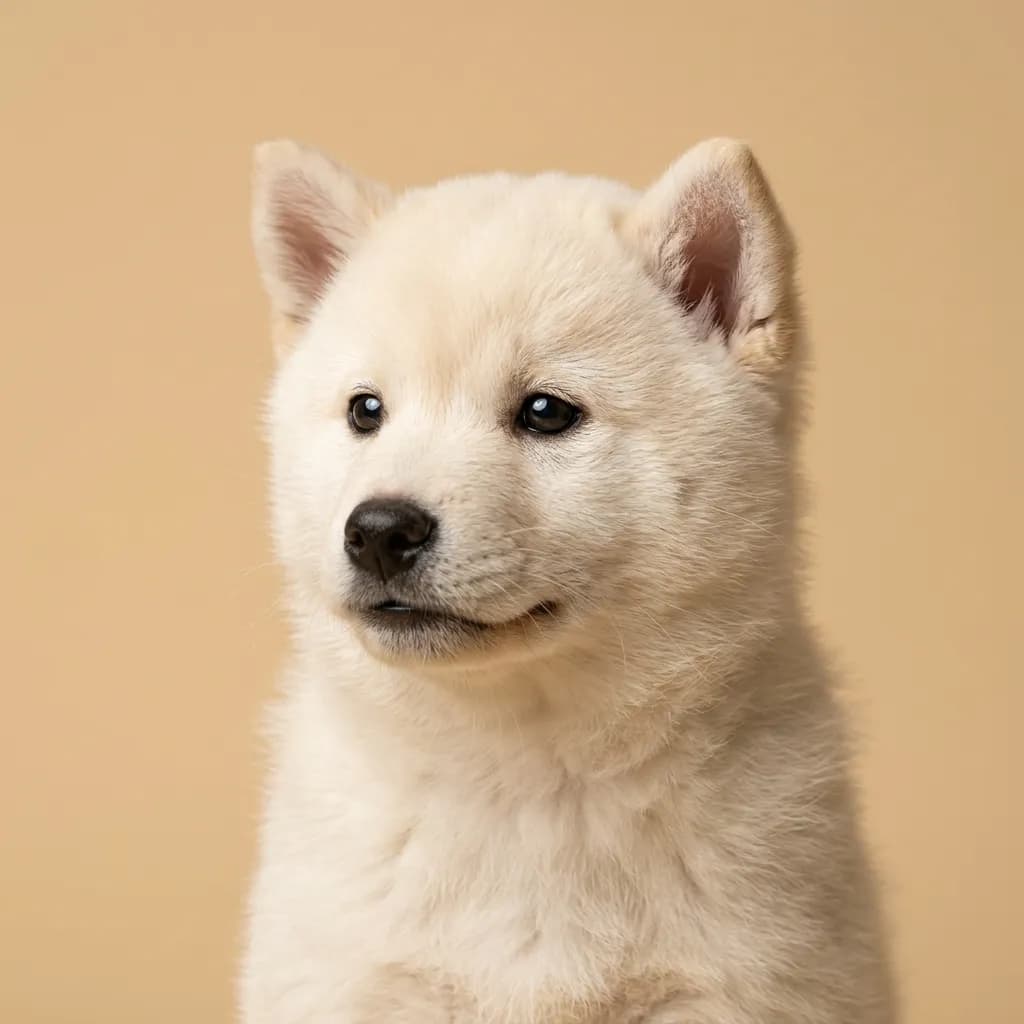
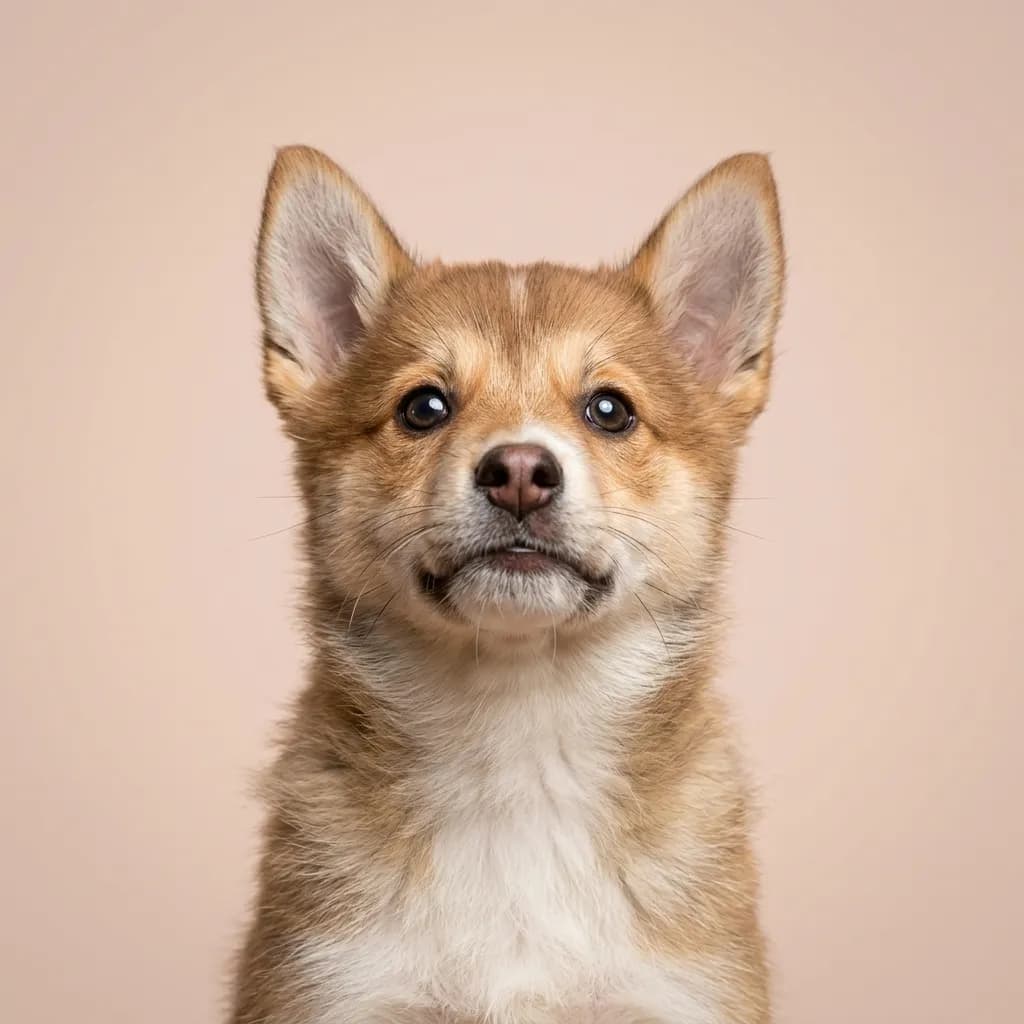
People compare the Hokkaido and Norwegian Lundehund because both are rare, rugged, and built for extreme terrain in cold climates. They look like dogs time forgot. intense, weatherproof, and full of quiet purpose. But that’s where the similarity ends. These aren’t two paths to the same destination. They’re entirely different journeys. The Hokkaido is a mountain dog in spirit and structure. He’s 60+ pounds of muscle bred to track bear in snow-covered forests. He’s alert, deeply loyal, and mentally sharp. needs hard work or he’ll find his own job, like digging under your fence or challenging your authority. You’ll need experience to lead him; he respects consistency, not indecision. He thrives with active people who hike, hunt, or live off-grid. Kids? He tolerates them, but don’t expect a nanny dog. The Lundehund is a puzzle of a breed. six-toed, double-jointed, able to bend his head backward to touch his spine. He was built to wiggle into cliffside crevices for puffins, not to heel on cue. He’s half the size, with a quirky independence that borders on catlike. He’s affectionate in bursts, not constant. Training is possible but slow; patience isn’t optional. His real challenge? Health. Lundehund Syndrome means lifelong dietary care and vet vigilance. If you’re not ready for that, walk away. The honest truth? Neither is a “pet” in the traditional sense. The Hokkaido demands physical challenge, the Lundehund demands medical commitment. Pick the Hokkaido if you want a powerful partner in the wild. Pick the Lundehund only if you’re drawn to his story so deeply, you’re willing to restructure your life around it. These dogs aren’t for everyone. They’re for someone.
Trait-by-trait
Higher bar = more of that trait. Shedding, barking, drooling, grooming flipped for readability.Where they diverge
Choose the Hokkaido if…
- Experienced dog owners
- Active families
- Cold climates
- You value watchdog / protective — Hokkaido scores noticeably higher.
Choose the Norwegian Lundehund if…
- Experienced dog owners
- Those interested in rare breeds
- Active families