Hokkaido vs Pudelpointer
Side-by-side comparison across all 14 AKC trait ratings, with a clear verdict on which breed fits which kind of household.
Not sure which breed fits your life?
Answer five questions about your home, your schedule, and your tolerance for shedding. We’ll match you to your top three breeds from over 200.
Hokkaido vs Pudelpointer
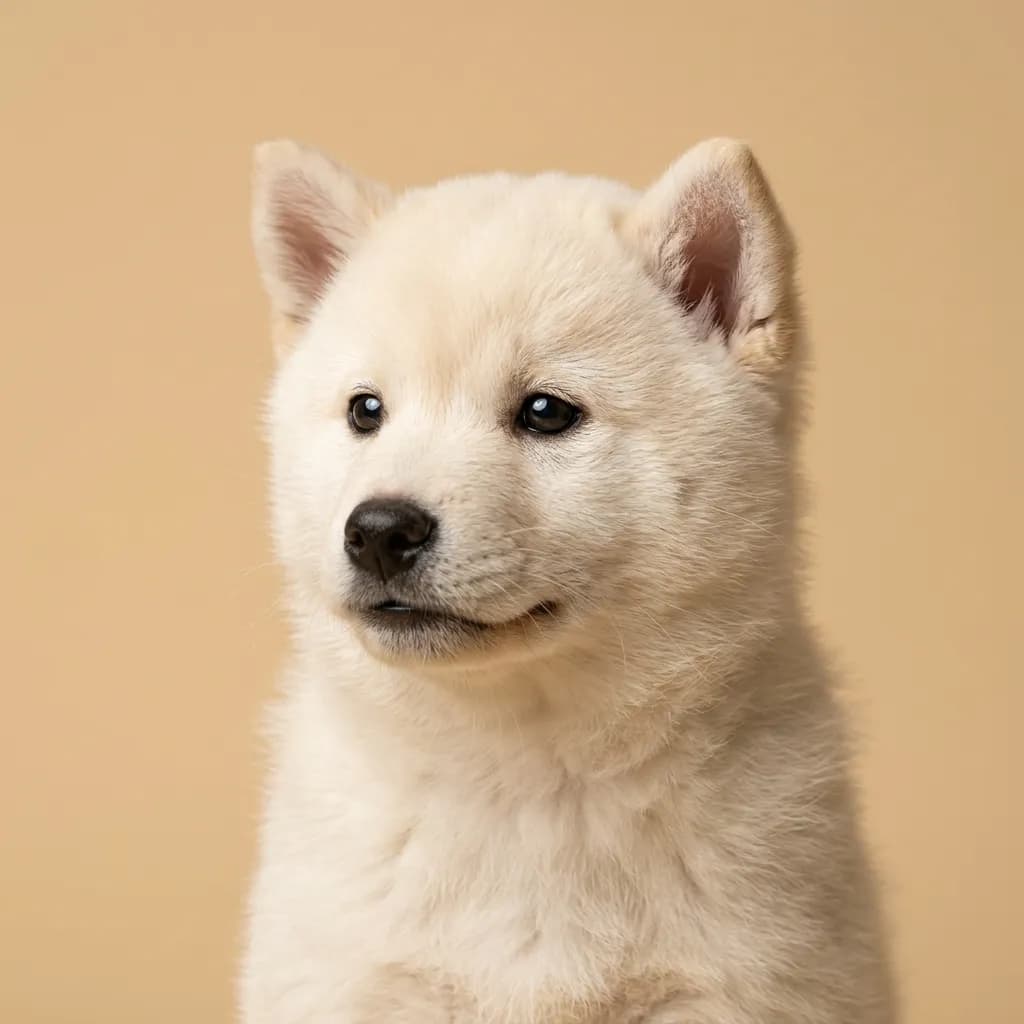
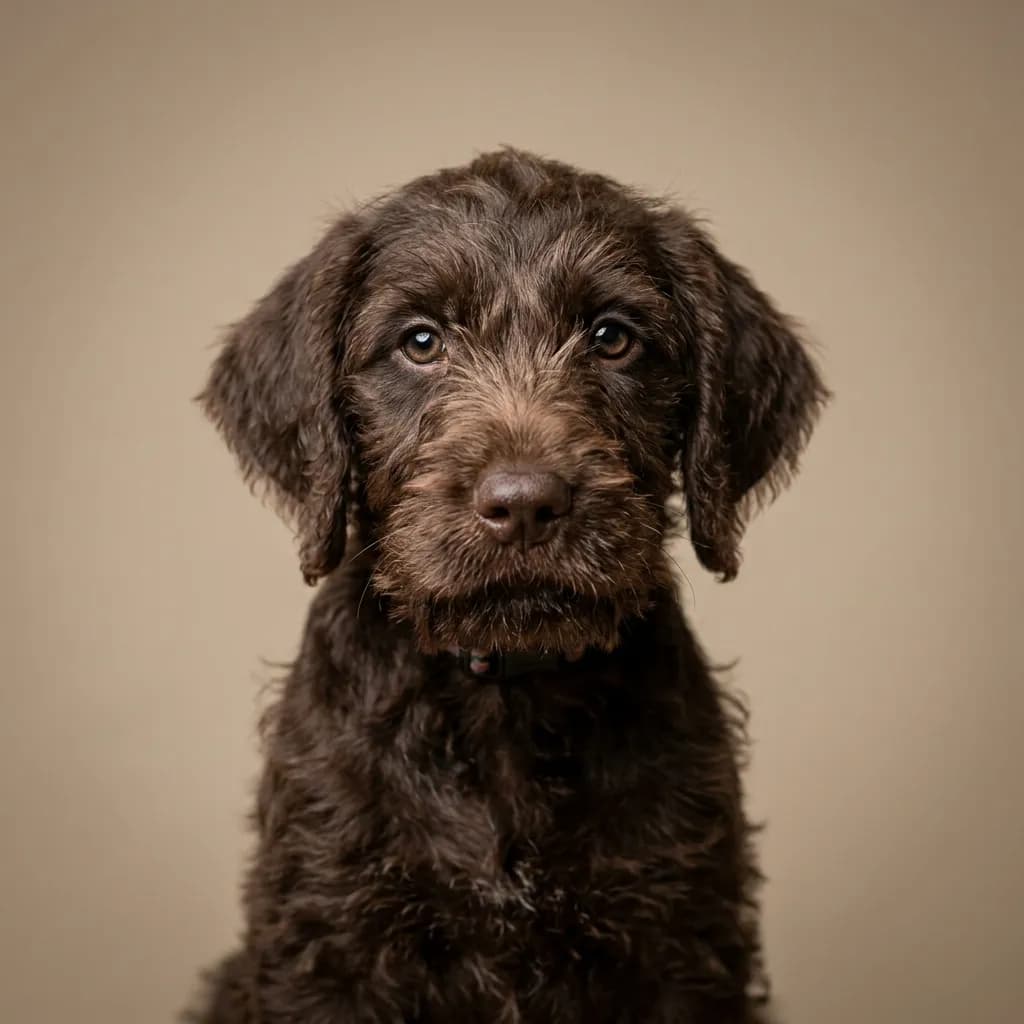
You don’t see many Hokkaidos or Pudelpointers at the dog park, so when someone’s comparing them, it’s usually because they want a rare, driven dog that thrives in wild country and isn’t just a people pleaser. Both are hunting breeds with sharp minds and high energy, but that’s where the similarity ends. The Hokkaido is like that intense friend who respects you more if you earn it. Bred to track bear in the snowy mountains of Japan, it’s alert, reserved, and deeply loyal. more watchful than warm. It doesn’t crave constant praise, and it won’t obey just because you asked nicely. It’s not stubborn, but it’s independent. You’ll need experience reading canine body language and the patience to build mutual trust. This isn’t the dog to bring to a crowded festival or expect to settle in a city apartment. It wants purpose, cold weather, and space. The Pudelpointer, on the other hand, is the eager partner-in-crime. Born from a mix of Pointer and Poodle for German hunters, it lives for teamwork. It’s easier to train, more adaptable to different environments, and genuinely enjoys working with you. whether that’s retrieving ducks in a marsh or running bird trails in the woods. It bonds closely with the whole family and handles a weekend at the cabin as easily as a week at home. provided it gets serious exercise. Here’s the real talk: If you don’t hunt or do dog sports regularly, the Pudelpointer will still try to please, but the Hokkaido might just check out mentally. And if you value a dog that reads your emotions and wants to be part of the action, the Pudelpointer wins. But if you want a stoic, resilient companion who feels more like a wild partner than a pet, the Hokkaido could be your once-in-a-lifetime match. Just don’t expect cuddles on command.
Trait-by-trait
Higher bar = more of that trait. Shedding, barking, drooling, grooming flipped for readability.Where they diverge
Choose the Hokkaido if…
- Experienced dog owners
- Active families
- Cold climates
- You value watchdog / protective — Hokkaido scores noticeably higher.
Choose the Pudelpointer if…
- hunters
- very active owners
- waterfowl and upland bird hunters
- You value drooling level — Pudelpointer scores higher here.