Hokkaido vs Puli
Side-by-side comparison across all 14 AKC trait ratings, with a clear verdict on which breed fits which kind of household.
Not sure which breed fits your life?
Answer five questions about your home, your schedule, and your tolerance for shedding. We’ll match you to your top three breeds from over 200.
Hokkaido vs Puli
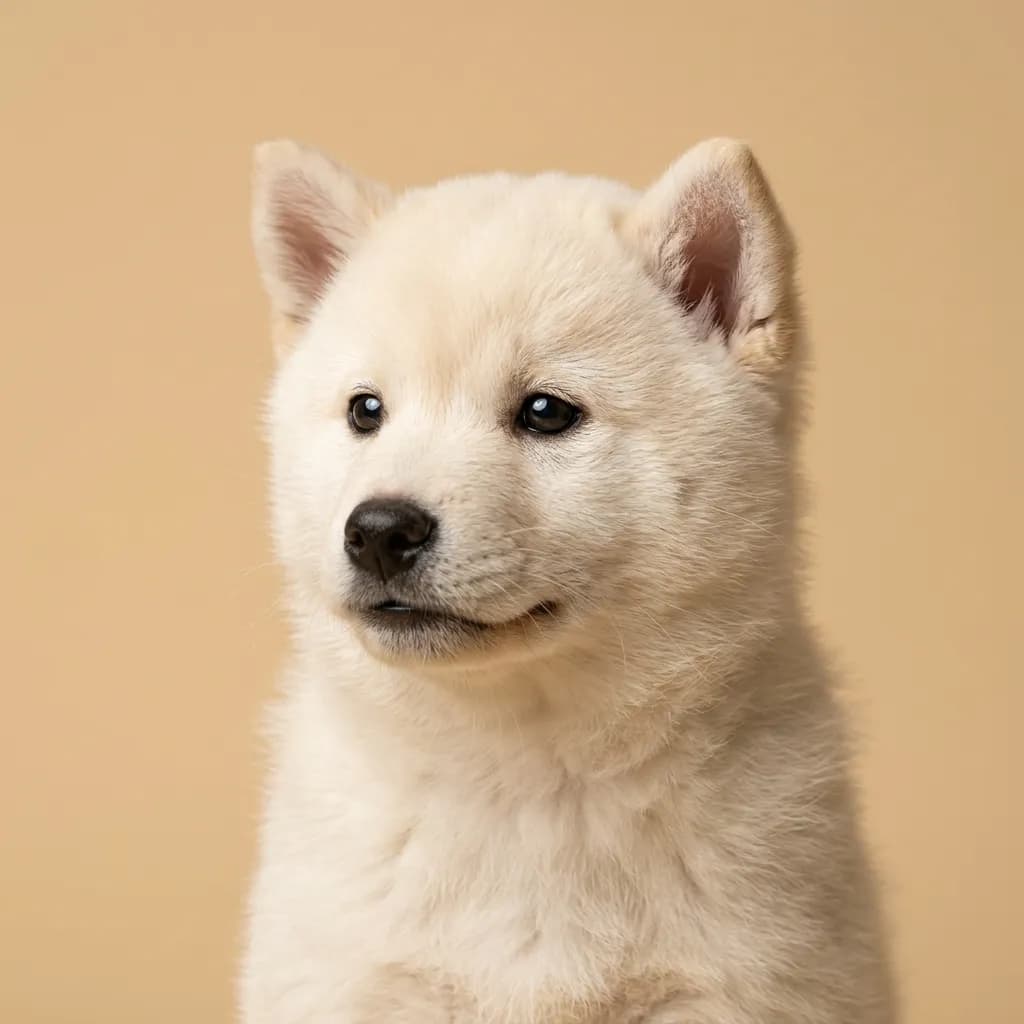
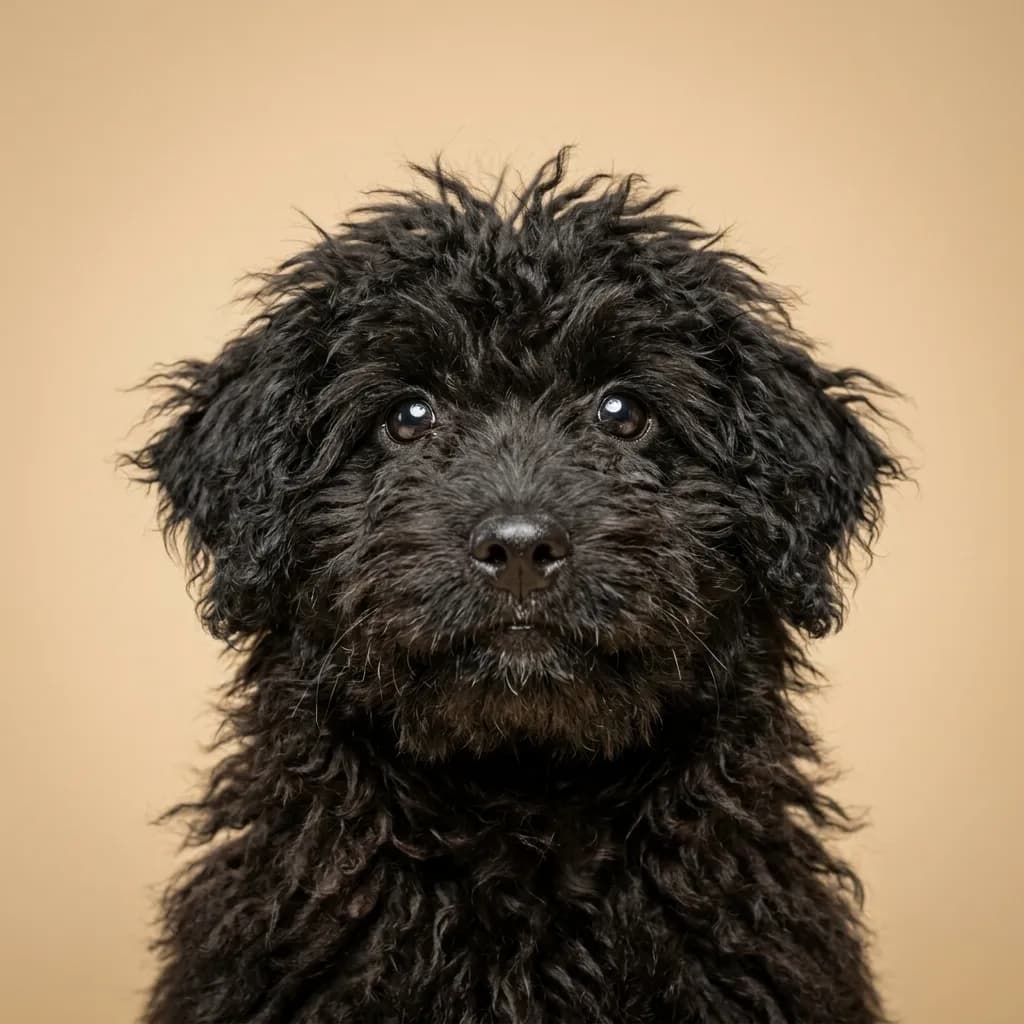
People compare the Hokkaido and Puli because they’re both rare, bold, and look like they stepped out of a folk tale. But that’s where the similarities end. One’s a mountain ghost from Japan built for snow and silence. The other’s a mop-headed herder from Hungary that clings to your side like Velcro. Choosing between them isn’t about preference. it’s about your life. The Hokkaido is a stoic 50-pound hunter bred to track bear in subzero forests. He’s alert, independent, and not overly vocal. but don’t mistake quiet for easygoing. He needs space, cold weather, and a job. He bonds deeply but won’t follow you to the bathroom. You’ll train him, but on his terms. He’s not for apartments or first-timers. If you hike, hunt, or live where winters bite, he’ll thrive. But if you want obedience drills or a dog that’s eager to please, look elsewhere. The Puli, meanwhile, weighs half as much but packs double the personality. That legendary corded coat? It’s high-maintenance. think hours of drying after baths, daily separation of cords. But in return, you get a dog that lives for you. Pulis are sharp, intensely loyal, and thrive on mental work. They’re adaptable to city or country, but they need activity and connection. Leave them alone too long and they’ll develop anxiety. or redecorate your couch. Here’s the real difference: the Hokkaido respects you as pack leader. The Puli wants to be part of your every breath. And the insight no breeder will lead with? The Puli’s coat isn’t just work. it hides skin issues and takes years to fully form. Many owners clip them short, losing the breed’s iconic look. If you want that dreadlock silhouette, you’d better love grooming. The Hokkaido, meanwhile, sheds seasonally but needs zero styling. His wild look is effortless. Choose the Puli for devotion and drama. The Hokkaido for quiet strength and rugged independence.
Trait-by-trait
Higher bar = more of that trait. Shedding, barking, drooling, grooming flipped for readability.Where they diverge
Choose the Hokkaido if…
- Experienced dog owners
- Active families
- Cold climates
- You value shedding level — Hokkaido scores noticeably higher.
Choose the Puli if…
- Active families
- Experienced dog owners
- Those wanting a unique coat
- You value coat grooming — Puli scores higher here.