Hokkaido vs Tornjak
Side-by-side comparison across all 14 AKC trait ratings, with a clear verdict on which breed fits which kind of household.
Not sure which breed fits your life?
Answer five questions about your home, your schedule, and your tolerance for shedding. We’ll match you to your top three breeds from over 200.
Hokkaido vs Tornjak
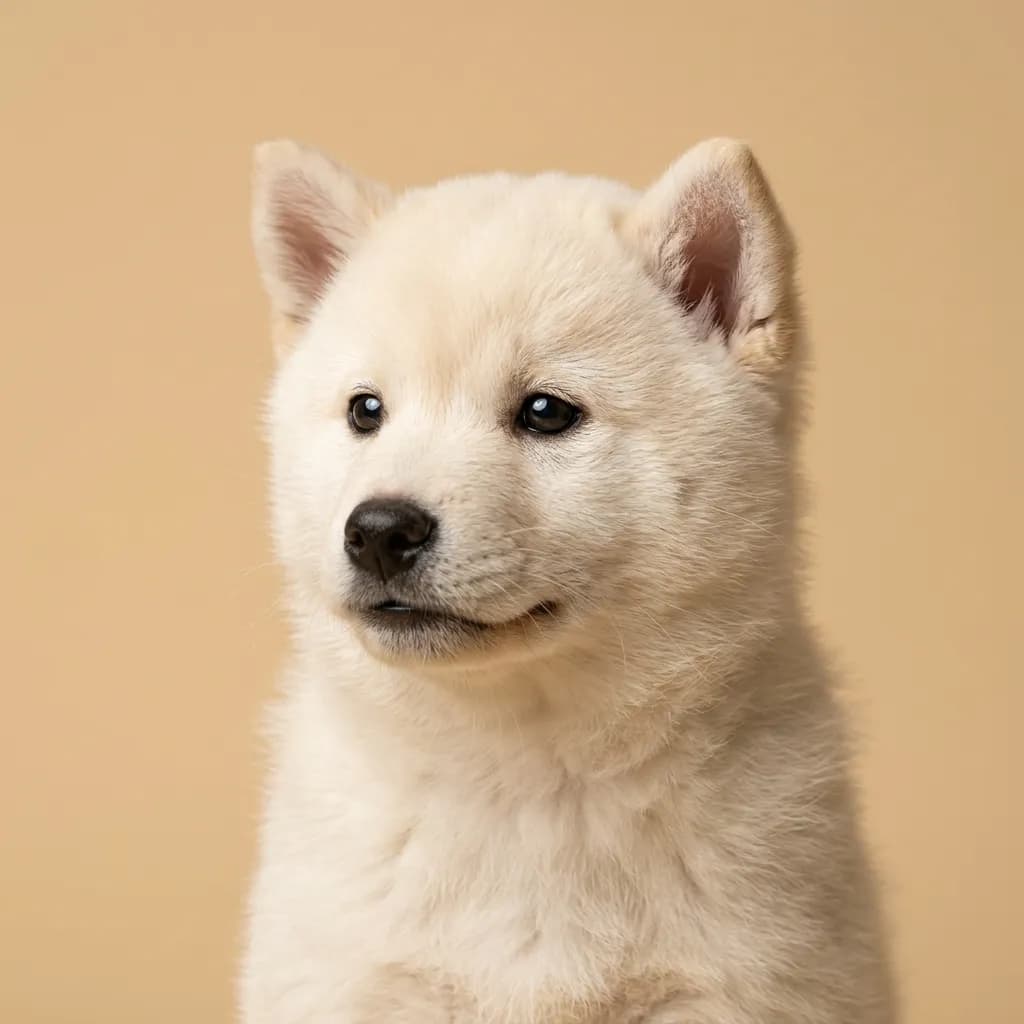
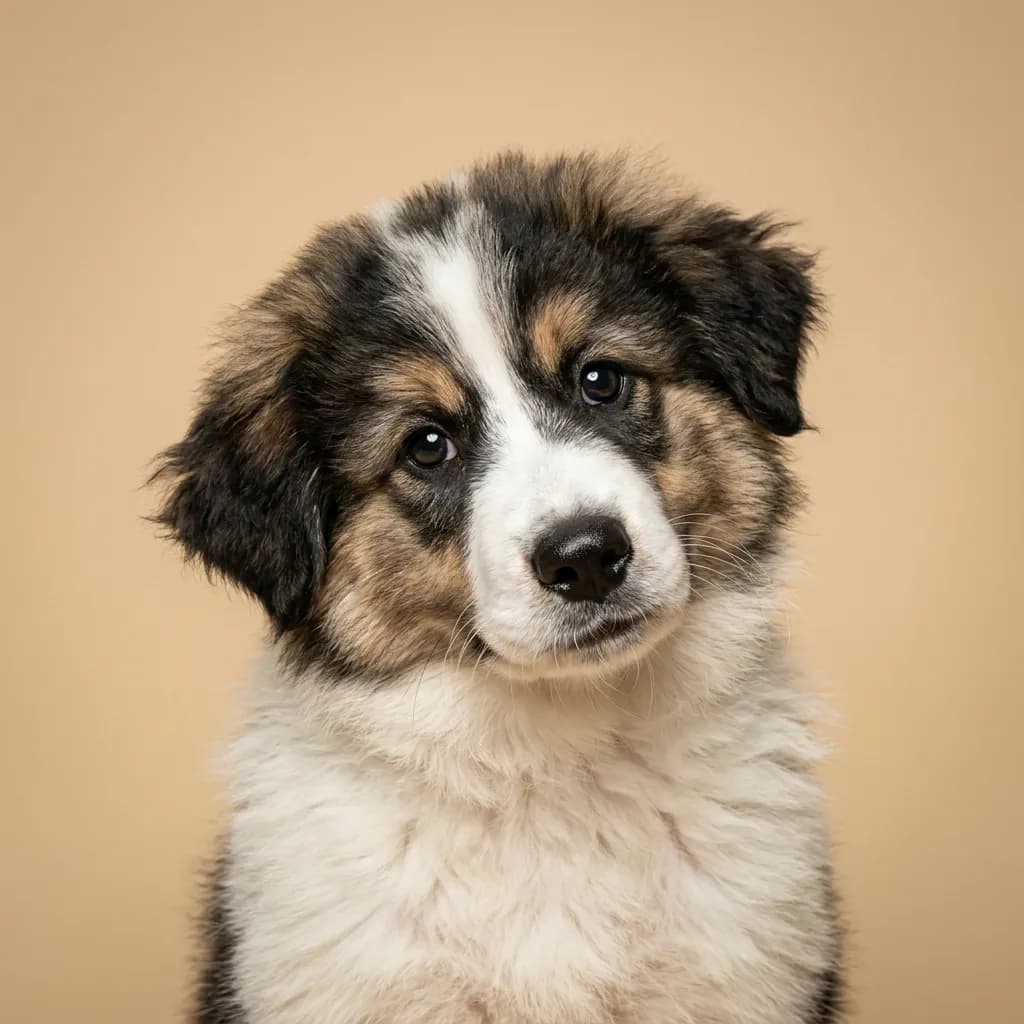
You don't see many Hokkaidos or Tornjaks at weekend dog parks, but if you're deep into rare breeds with backbone and history, you might find yourself comparing these two. They both thrive in cold weather, have thick double coats, and carry themselves with a kind of quiet pride. That’s probably why they end up side by side in search results. people want a loyal, rugged dog with roots in tradition. But that’s where the similarities fade. The Hokkaido is compact, intense, and built for tracking game through snow-covered mountains. At 45 to 65 pounds, it’s agile and sharp, with a mind that needs constant engagement. It bonds deeply with its family and will alert you to anything out of place, but it’s not quick to please just anyone. This isn’t a dog that’ll learn 50 tricks for treats; it’ll learn what it sees as useful, and do it well. It’s a partner, not a performer. The Tornjak is a gentle giant by comparison. think 80 to 110 pounds of calm, steady presence. Bred to patrol flocks all night, it’s got a low-key energy and a natural suspicion of strangers. It’s not lazy, but it doesn’t need miles of trail each day like the Hokkaido does. Where the Hokkaido wants to follow your lead on a hike, the Tornjak wants to make sure nothing gets near your property while you’re gone. If you live on a farm and need a dog that’ll work independently at night, the Tornjak makes sense. If you’re an active owner who wants a responsive, alert companion for backcountry adventures, the Hokkaido fits better. Here’s the real talk: neither is forgiving of inexperienced handling. But the Tornjak’s size alone adds pressure. training missteps with a 100-pound guardian dog are a lot harder to fix than with a 60-pound hunting breed. Choose not just for your life today, but the discipline you’ll keep for the next 14 years.
Trait-by-trait
Higher bar = more of that trait. Shedding, barking, drooling, grooming flipped for readability.Where they diverge
Choose the Hokkaido if…
- Experienced dog owners
- Active families
- Cold climates
- You value good with other dogs — Hokkaido scores noticeably higher.
Choose the Tornjak if…
- Experienced large-breed owners
- Farm or rural settings
- Livestock guardian needs
- You value shedding level — Tornjak scores higher here.