Icelandic Sheepdog vs Irish Setter
Side-by-side comparison across all 14 AKC trait ratings, with a clear verdict on which breed fits which kind of household.

Not sure which breed fits your life?
Answer five questions about your home, your schedule, and your tolerance for shedding. We’ll match you to your top three breeds from over 200.
Icelandic Sheepdog vs Irish Setter
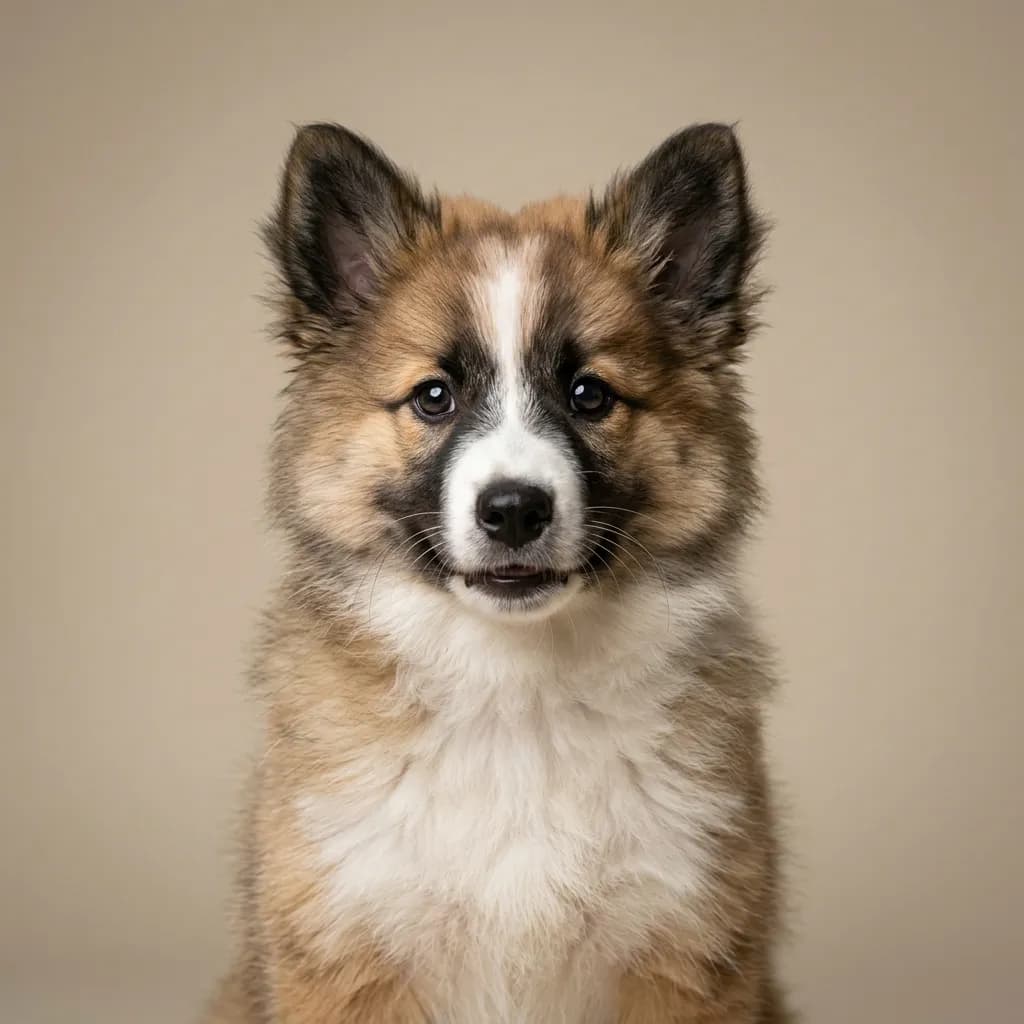
People compare Icelandic Sheepdogs and Irish Setters because both are energetic, family-friendly dogs with a happy-go-lucky vibe and that rare combo of affection and endurance. They’re not typical lapdogs, but they’ll still curl up with the kids after a long day. The real story, though, isn’t just energy. it’s scale and space. The Icelandic Sheepdog is a compact herder built for volcanic terrain and Arctic winds. At just 25 to 30 pounds, it’s half the size of an Irish Setter, and what it lacks in stature it makes up for in vocal presence. This dog will alert you to every passing squirrel, postman, and cloud formation. It’s brilliant, eager to please, and thrives on mental puzzles and routines. perfect for first-time owners who want a trainable, kid-loving companion. But if you live in a hot climate or hate constant chatter, you’ll struggle. The Irish Setter, meanwhile, is a sweeping, flame-coated athlete. At 60 to 70 pounds, it’s built for open fields and high-speed turns. It’s not just energetic. it’s joy in motion. You don’t just walk an Irish Setter, you unleash it. While it’s sweet and deeply affectionate, it needs real outdoor access, ideally for hunting, agility, or long trail runs. It’s less barky but demands more physical space. Here’s the insight no chart tells you: The Icelandic Sheepdog bonds tightly to its household and will follow you room to room like a furry shadow. The Irish Setter loves you just as much, but it’s in love with the world. every smell, bird, and horizon. Choose the Sheepdog if you want a loyal, clever sidekick. Choose the Setter if you’re ready to share your dog with adventure.
Trait-by-trait
Higher bar = more of that trait. Shedding, barking, drooling, grooming flipped for readability.Where they diverge
Choose the Icelandic Sheepdog if…
- Active families
- Cold climates
- Families with children
- You value watchdog / protective — Icelandic Sheepdog scores noticeably higher.
Choose the Irish Setter if…
- Active families
- Hunters
- Outdoors enthusiasts
- You value good with strangers — Irish Setter scores higher here.