Icelandic Sheepdog vs Mudi
Side-by-side comparison across all 14 AKC trait ratings, with a clear verdict on which breed fits which kind of household.
Not sure which breed fits your life?
Answer five questions about your home, your schedule, and your tolerance for shedding. We’ll match you to your top three breeds from over 200.
Icelandic Sheepdog vs Mudi
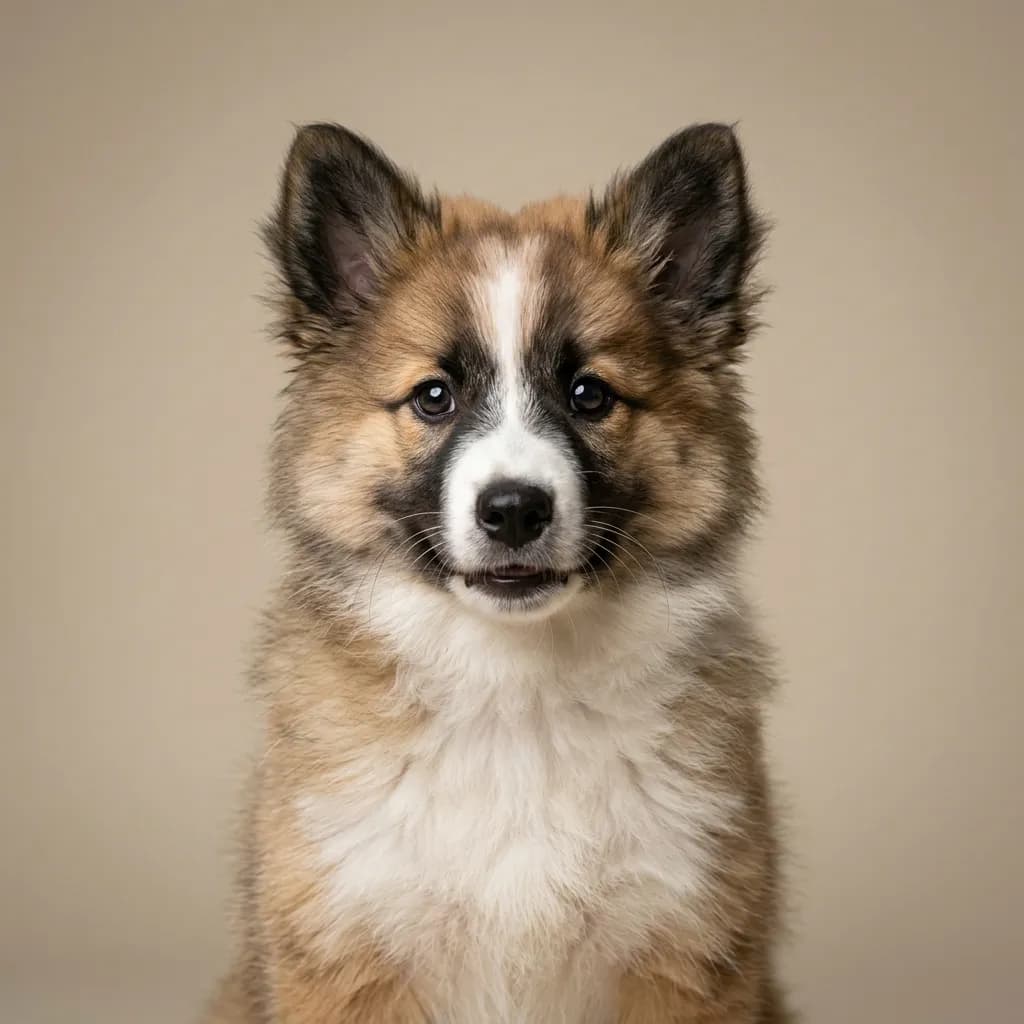
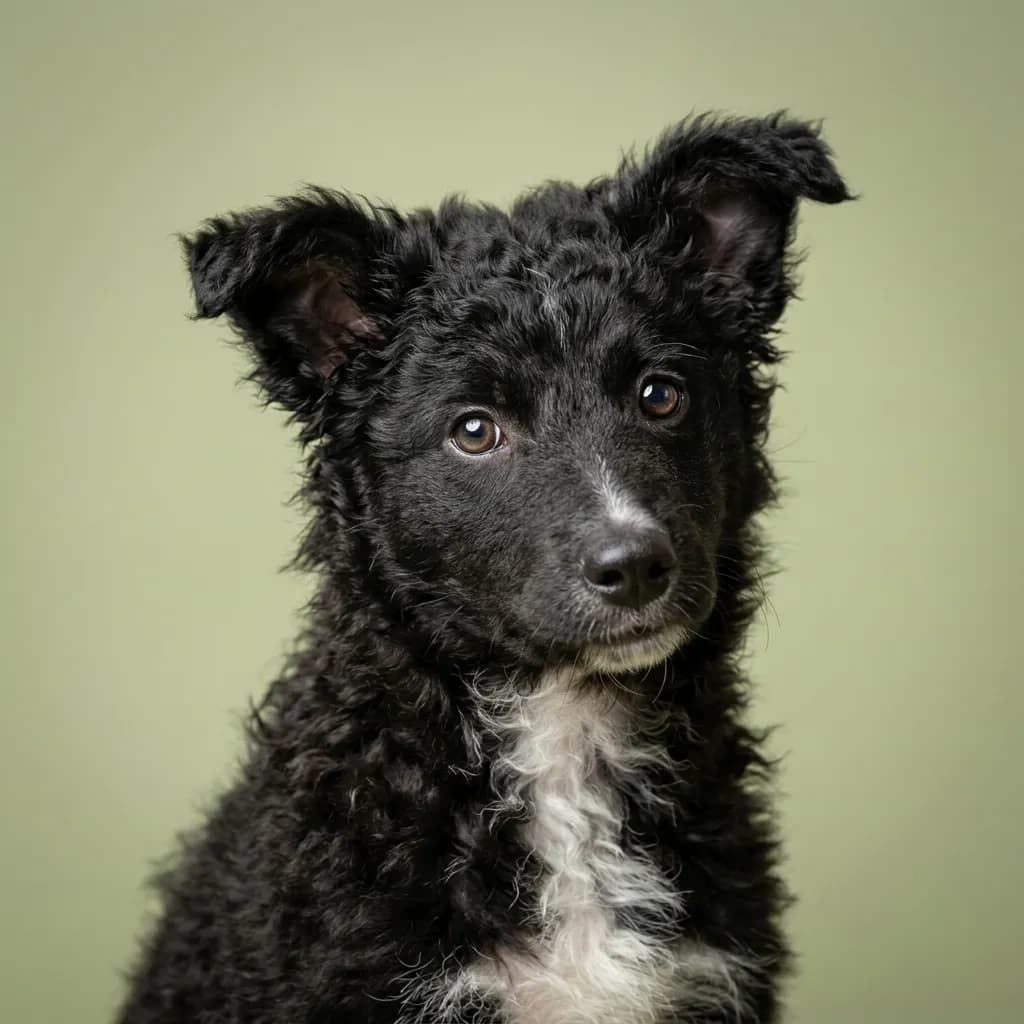
People compare the Icelandic Sheepdog and the Mudi because they’re both rare, energetic herding breeds that look vaguely alike at a glance. medium-sized, spitz-like, built for work. But beneath that surface, they’re worlds apart in temperament and what they need from life. If you’re choosing between them, you’re not just picking a dog, you’re picking a lifestyle. The Icelandic Sheepdog is your cheerful, bouncy shadow. They’re deeply affectionate, love kids, and thrive on being part of the family chaos. They’re also relentless barkers and need constant mental stimulation, but their eagerness to please makes training a joy. You’ll need daily hikes and cold winters to keep them happy. They’re about as close to a foolproof herding dog as you can get for a first-time owner. if you can handle the noise. The Mudi is sharper, more intense. They’re brilliant in dog sports and excel at tasks that challenge their mind, but they’re not the cuddly, open book the Icelandic Sheepdog is. Mudis bond tightly with one or two people and can be wary of strangers and unpredictable with young kids. They’re lower shedding, which sounds great, but their energy is on another level. this isn’t a dog that settles. They need a job, whether it’s agility, herding, or advanced obedience. Here’s the real difference: the Icelandic Sheepdog wants to join your life. The Mudi wants to be your partner in a mission. If you want a joyful, family-friendly companion who can handle cold weather and doesn’t mind the in-laws, go Icelandic. If you’re an experienced handler craving a driven, responsive dog for serious training or rural work, the Mudi will blow your socks off. if you can keep up.
Trait-by-trait
Higher bar = more of that trait. Shedding, barking, drooling, grooming flipped for readability.Where they diverge
Choose the Icelandic Sheepdog if…
- Active families
- Cold climates
- Families with children
- You value good with young children — Icelandic Sheepdog scores noticeably higher.
Choose the Mudi if…
- Active families
- Experienced herding breed owners
- Dog sport enthusiasts
- You value playfulness — Mudi scores higher here.