Icelandic Sheepdog vs Russell Terrier
Side-by-side comparison across all 14 AKC trait ratings, with a clear verdict on which breed fits which kind of household.
Not sure which breed fits your life?
Answer five questions about your home, your schedule, and your tolerance for shedding. We’ll match you to your top three breeds from over 200.
Icelandic Sheepdog vs Russell Terrier
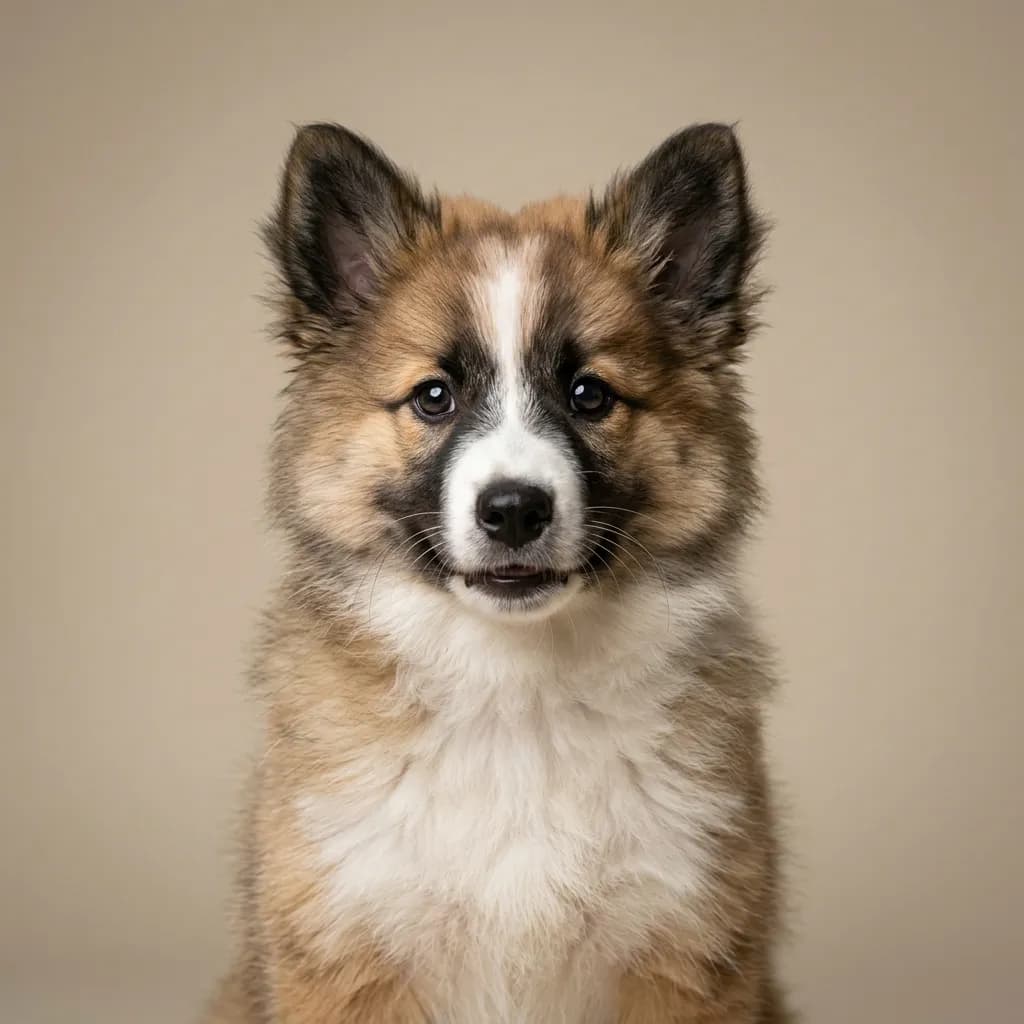
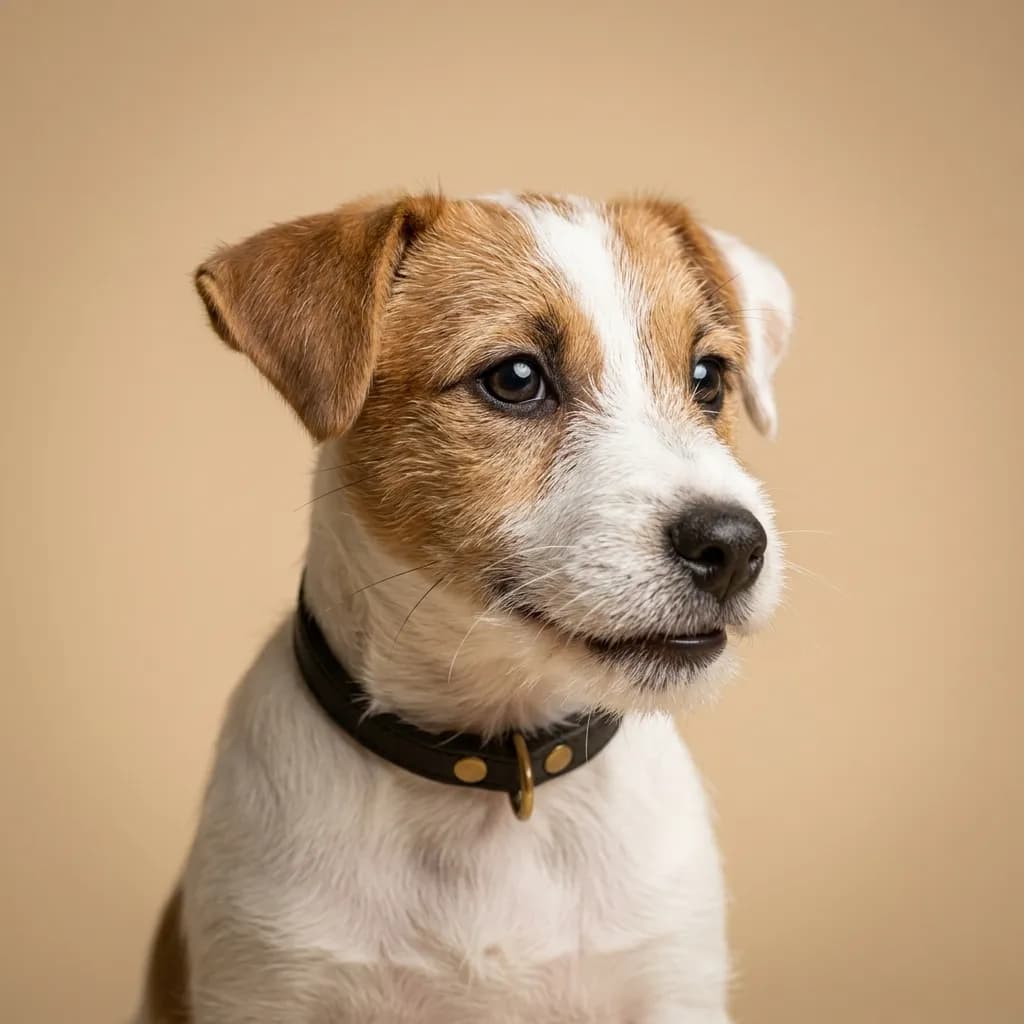
People compare Icelandic Sheepdogs and Russell Terriers because they’re both small, energetic, and pack a big-dog personality in a compact frame. They bark, they’re smart, and they thrive with active owners. But that’s where the similarities end. The Icelandic Sheepdog is the cheerful village dog from the cold north, built for teamwork. At 30 pounds and nearly 18 inches tall, it’s twice the size of a Russell Terrier, and it shows. This is a dog that wants to be part of your family’s daily rhythm. hiking, playing, even just cooking dinner. It’s patient with kids, easy to train, and bonds deeply with everyone. But it needs space to burn that herding energy and won’t stay quiet just because you want it to. If you live in a hot climate or hate dog noise, this isn’t your breed. The Russell Terrier is a firecracker in a smaller package. under 15 pounds, barely over a foot tall. Bred to bolt into fox dens, it’s fearless, independent, and stubborn. Training? You’ll need patience and consistency. It’s affectionate with its people but might not tolerate rough play from young kids. And if you’ve got a pet rabbit or squirrel in the yard, good luck. This dog lives to chase. Here’s the real difference: the Icelandic Sheepdog wants to follow you; the Russell Terrier wants to lead. Choose the Icelandic Sheepdog if you want a loyal, trainable companion for an active, kid-friendly household. Pick the Russell Terrier if you’re an energetic owner who enjoys dog sports and doesn’t mind a dog with a mind of its own. Just know. neither will let you sit still for long.
Trait-by-trait
Higher bar = more of that trait. Shedding, barking, drooling, grooming flipped for readability.Where they diverge
Choose the Icelandic Sheepdog if…
- Active families
- Cold climates
- Families with children
- You value good with young children — Icelandic Sheepdog scores noticeably higher.
Choose the Russell Terrier if…
- Active owners
- Dog sports enthusiasts
- Families with older children
- You value good with strangers — Russell Terrier scores higher here.