Icelandic Sheepdog vs Whippet
Side-by-side comparison across all 14 AKC trait ratings, with a clear verdict on which breed fits which kind of household.

Not sure which breed fits your life?
Answer five questions about your home, your schedule, and your tolerance for shedding. We’ll match you to your top three breeds from over 200.
Icelandic Sheepdog vs Whippet
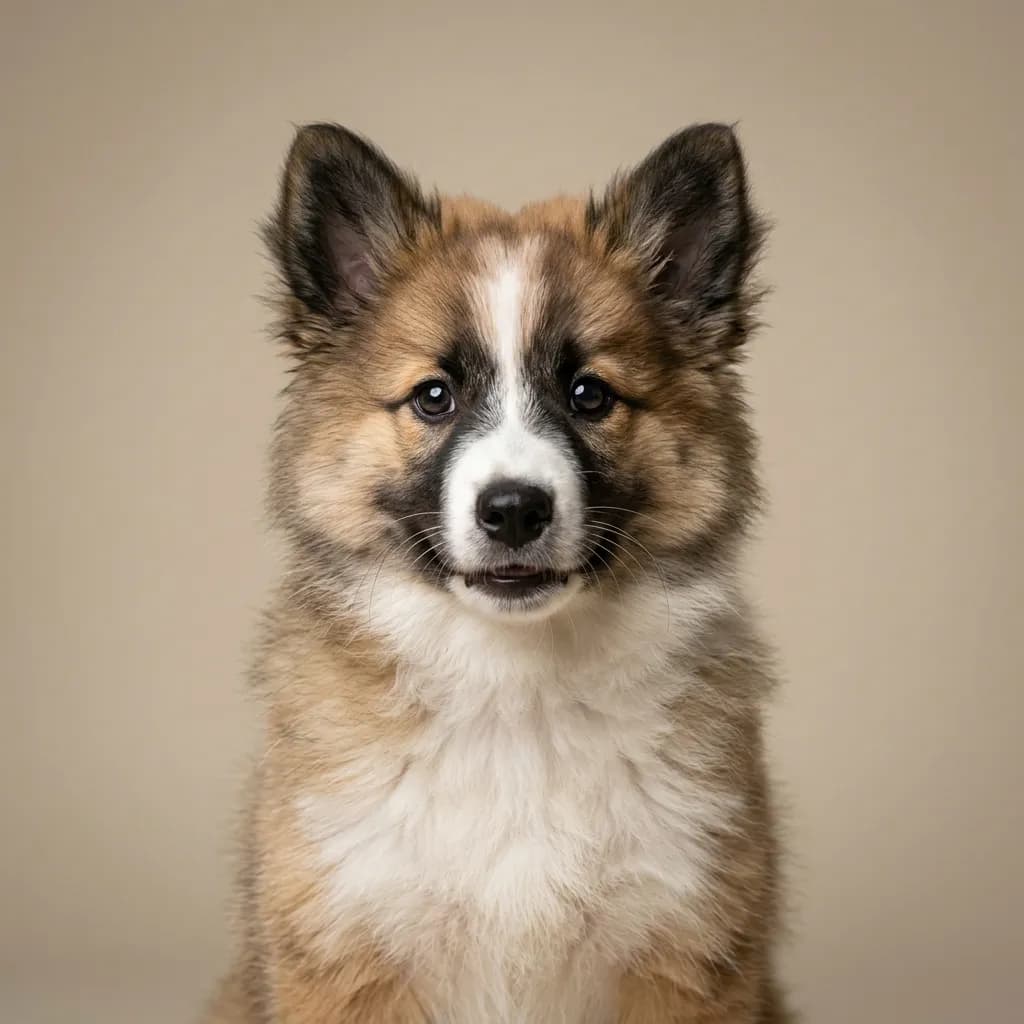
You might be comparing an Icelandic Sheepdog and a Whippet because they’re both medium-sized, moderately priced dogs that love their people and can do well in families. But that’s where the surface similarities end. Think of it this way: one’s a lively, chatty little shepherd built for wind and rain, the other’s a sleek, silent speed demon who’d rather nap in a sunbeam than bark at a cloud. The Icelandic Sheepdog thrives on interaction. It’s the dog that will greet you with a wag, herd your kids into the kitchen for dinner, and bark cheerfully at the mail carrier like it’s won the lottery. It’s eager to please, easy to train, and surprisingly adaptable. just don’t expect it to sit still. This dog needs mental and physical engagement, and it does best in cooler climates. If you live somewhere warm, you’ll need to be extra vigilant about overheating. Then there’s the Whippet. Sleek, soft-eyed, and astonishingly fast, it’s a dog of contrasts. It can go from couch potato to cheetah in seconds. But unlike the Icelandic Sheepdog, it’s quiet. rarely barks, prefers to observe, and forms a deep, quiet bond with its family. Just keep it away from squirrels or cats unless you want a high-speed chase. Whippets are more fragile, sensitive to cold and some anesthetics, and while they’re great with older kids, their prey drive makes them risky around small pets. Here’s the real talk: the Icelandic Sheepdog wants to be part of every decision you make. The Whippet just wants to lean against your leg after a good run. Choose the first if you want a joyful, involved companion. Choose the Whippet if you appreciate elegance, calm, and a dog that runs like the wind but loves like a teddy bear.
Trait-by-trait
Higher bar = more of that trait. Shedding, barking, drooling, grooming flipped for readability.Where they diverge
Choose the Icelandic Sheepdog if…
- Active families
- Cold climates
- Families with children
- You value barking level — Icelandic Sheepdog scores noticeably higher.
Choose the Whippet if…
- Apartment living (if exercised)
- Families with older children
- Runners and joggers
- You value good with other dogs — Whippet scores higher here.