Irish Wolfhound vs Lancashire Heeler
Side-by-side comparison across all 14 AKC trait ratings, with a clear verdict on which breed fits which kind of household.
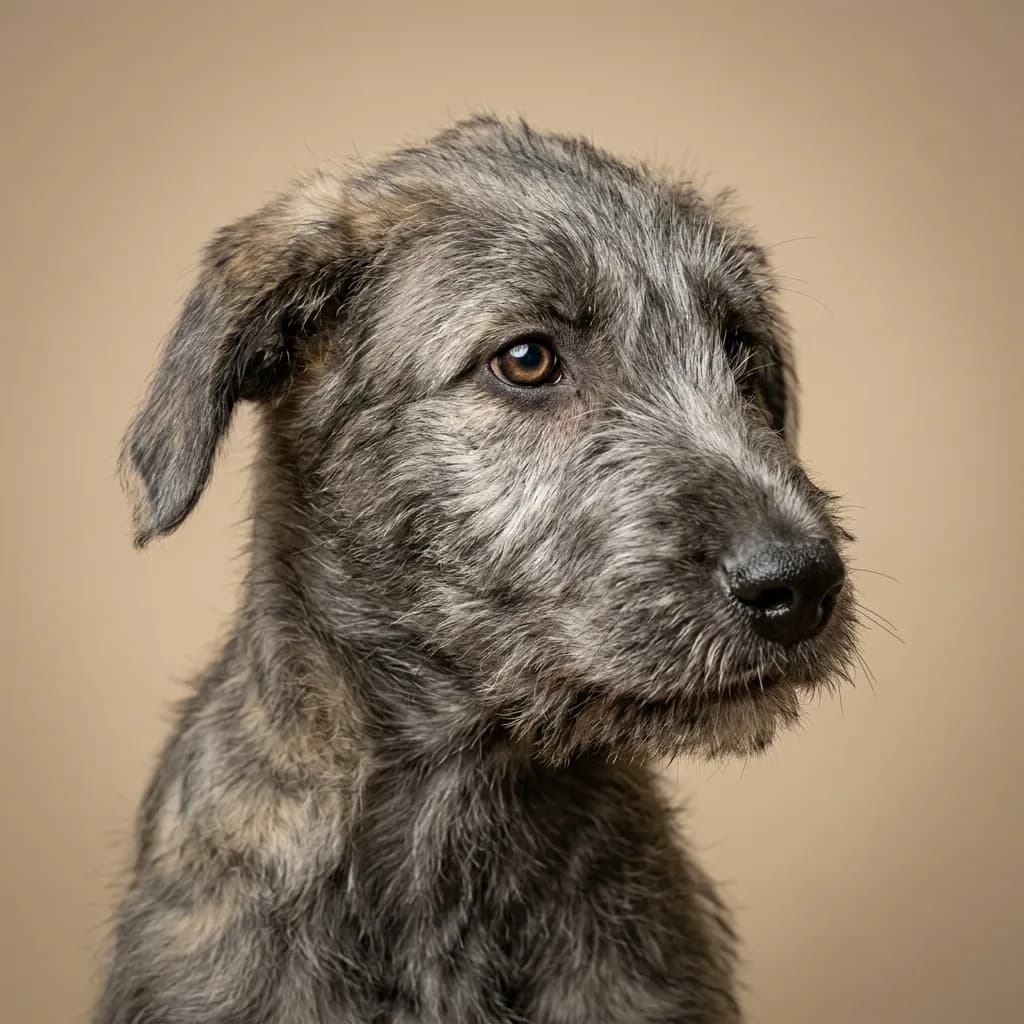
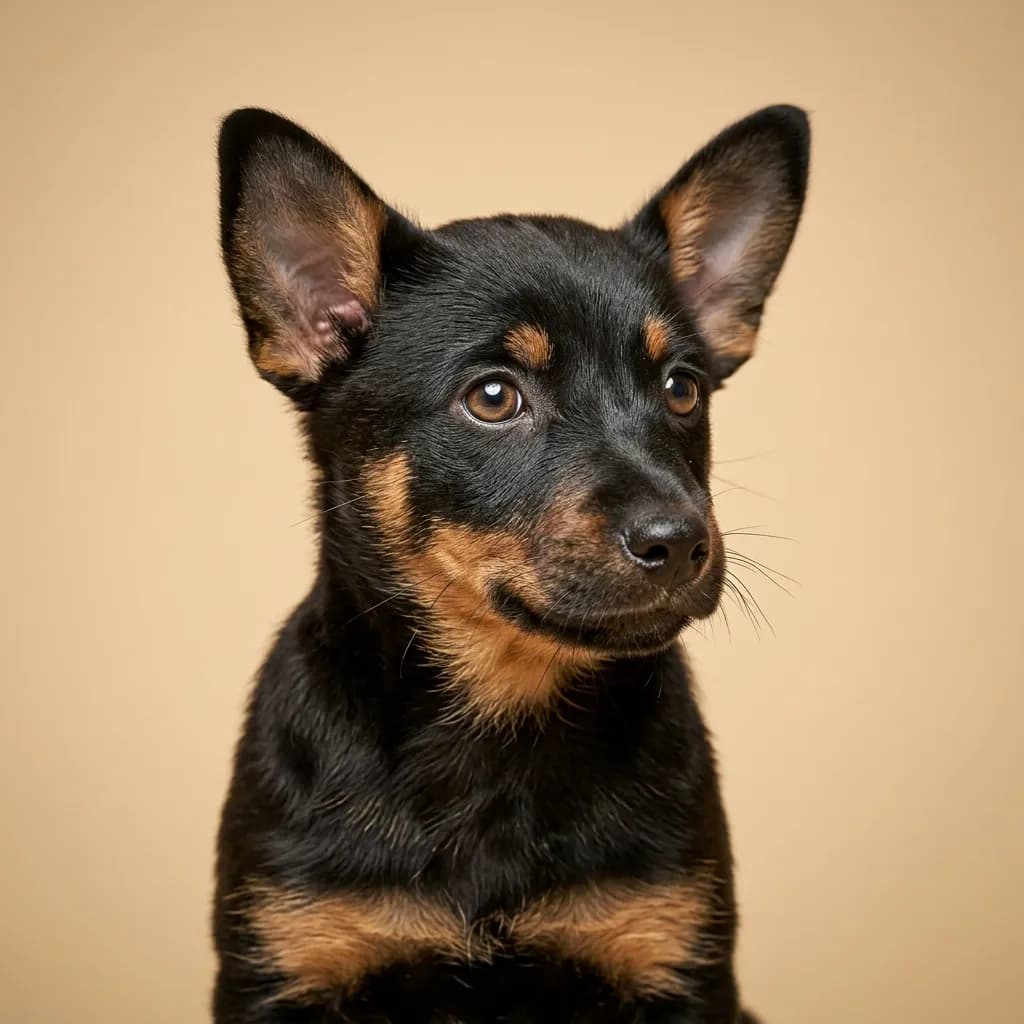
Not sure which breed fits your life?
Answer five questions about your home, your schedule, and your tolerance for shedding. We’ll match you to your top three breeds from over 200.
Irish Wolfhound vs Lancashire Heeler
People don’t usually pit a 120-pound gentle giant against a 12-inch farm dog unless they’re deep in the breed research rabbit hole. But here’s the real story: one person wants a dog that fills a room, the other wants one that fits in their life. any life, really. without hassle. That’s the core of Irish Wolfhound vs Lancashire Heeler. The Wolfhound is a once-in-a-lifetime dog. At 30 inches tall and living just 6 to 8 years, you’re signing up for heartbreak disguised as nobility. They’re calm indoors, yes, but their size means you’ll pay more for food, vet bills, and a car that fits them. They don’t bark much, which is good. because their presence alone says everything. Bred to take down wolves, now they just take up your entire couch. Not for city living, not for tight budgets, and definitely not if you hate dog hair on your dark furniture. The Heeler is the opposite. Compact, loud, and sharp as a tack, this little guy was built to nip cattle heels and outthink rats. They’re loyal and fearless, but that intelligence means they’ll test you. If you’re a first-time owner hoping for a quiet lap dog, look elsewhere. But if you hike, farm, or do agility, this dog will match your energy and then some. They live over a decade. long enough to really become part of your family’s rhythm. Here’s the truth beyond the numbers: the Irish Wolfhound gives you depth of bond in a short time. The Lancashire Heeler gives you years of spirited partnership. Pick based on how you live, not just how you dream. One saves your soul, the other saves your sanity.
Trait-by-trait
Higher bar = more of that trait. Shedding, barking, drooling, grooming flipped for readability.Where they diverge
Choose the Irish Wolfhound if…
- Families with space
- Gentle companion seekers
- Owners with large homes
- You value watchdog / protective — Irish Wolfhound scores noticeably higher.
Choose the Lancashire Heeler if…
- Active families
- Experienced dog owners
- Rural or farm settings
- You value barking level — Lancashire Heeler scores higher here.