Irish Wolfhound vs Mastiff
Side-by-side comparison across all 14 AKC trait ratings, with a clear verdict on which breed fits which kind of household.

Not sure which breed fits your life?
Answer five questions about your home, your schedule, and your tolerance for shedding. We’ll match you to your top three breeds from over 200.
Irish Wolfhound vs Mastiff
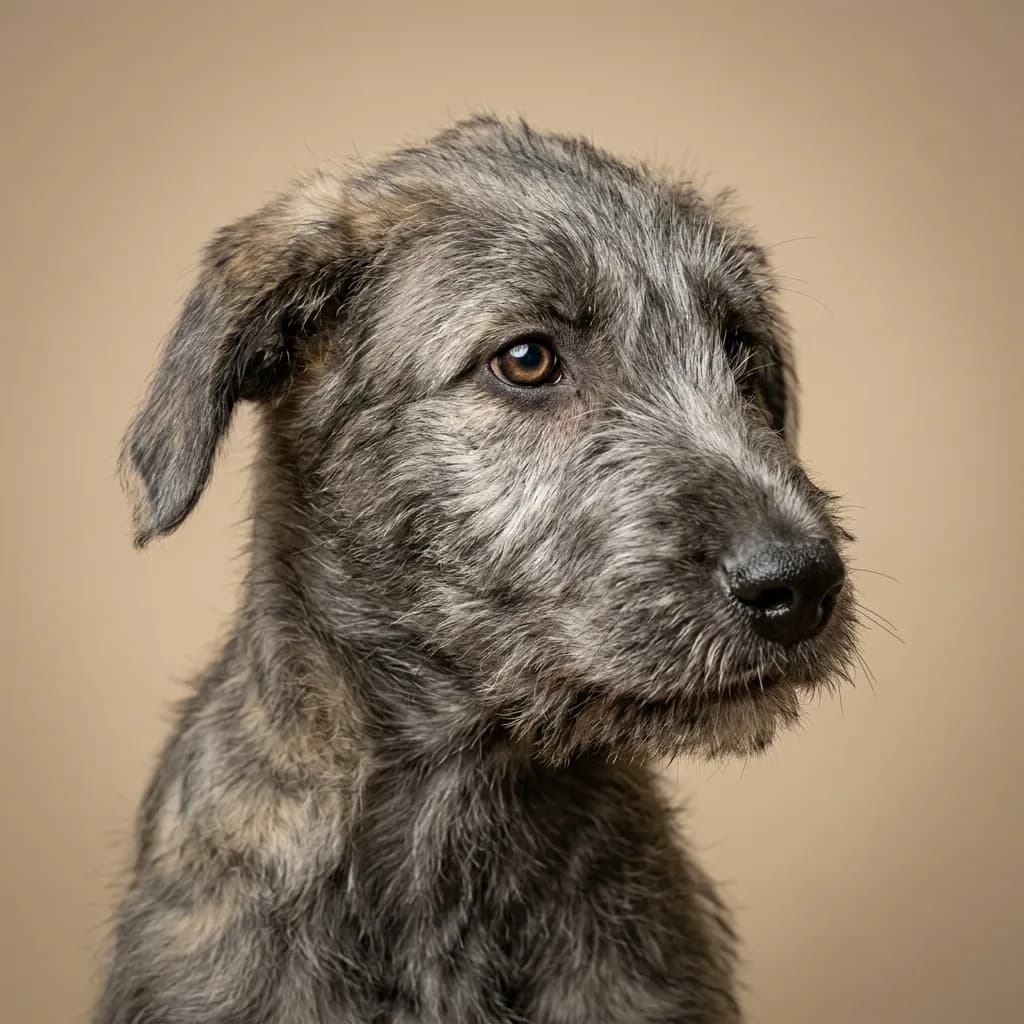
People compare Irish Wolfhounds and Mastiffs because they’re both gentle giants. towering, calm, and built like they could take on a dragon. On paper, they seem like two sides of the same coin: dignified, affectionate, and happiest when lounging at your feet. But if you’re standing in the breeder’s driveway trying to decide, the real differences hit hard. The Irish Wolfhound is the tallest dog breed on earth. They’re lighter on their feet, with a wiry coat and a look that says ancient bardic poet. They were bred to chase wolves across open fields, so there’s a quiet intensity beneath that calm. They’re slightly more delicate, with shorter lifespans. 6 to 8 years is brutal when you’ve just bonded. You’ll pay top dollar not just for the puppy, but for the heartbreak when they leave too soon. Mastiffs are heavier, denser, more immovable. They’re not running down elk, they’re guarding your castle. They’re better with young kids, more adaptable to different homes, and while still heartbreakingly short-lived, they sometimes stretch to 10 years. But their sheer size. some top 200 pounds. means every meal costs more, every vet visit is a logistics nightmare. Here’s the truth no one talks about: both are couch potatoes as adults, but the Wolfhound needs more emotional space. They’re loyal but aloof, almost feline. The Mastiff is a sticky, velcro dog who wants to be touching you at all times. Pick the Wolfhound if you want a noble shadow, a dog that looks like history. Pick the Mastiff if you want a devoted, patient protector who treats your kids like royalty. Just know. either way, your heart and wallet will be stretched to their limits.
Trait-by-trait
Higher bar = more of that trait. Shedding, barking, drooling, grooming flipped for readability.Where they diverge
Choose the Irish Wolfhound if…
- Families with space
- Gentle companion seekers
- Owners with large homes
- You value good with other dogs — Irish Wolfhound scores noticeably higher.
Choose the Mastiff if…
- Families with older children
- Experienced large-breed owners
- Those wanting a calm guardian
- You value good with young children — Mastiff scores higher here.