Irish Wolfhound vs Newfoundland
Side-by-side comparison across all 14 AKC trait ratings, with a clear verdict on which breed fits which kind of household.
Not sure which breed fits your life?
Answer five questions about your home, your schedule, and your tolerance for shedding. We’ll match you to your top three breeds from over 200.
Irish Wolfhound vs Newfoundland
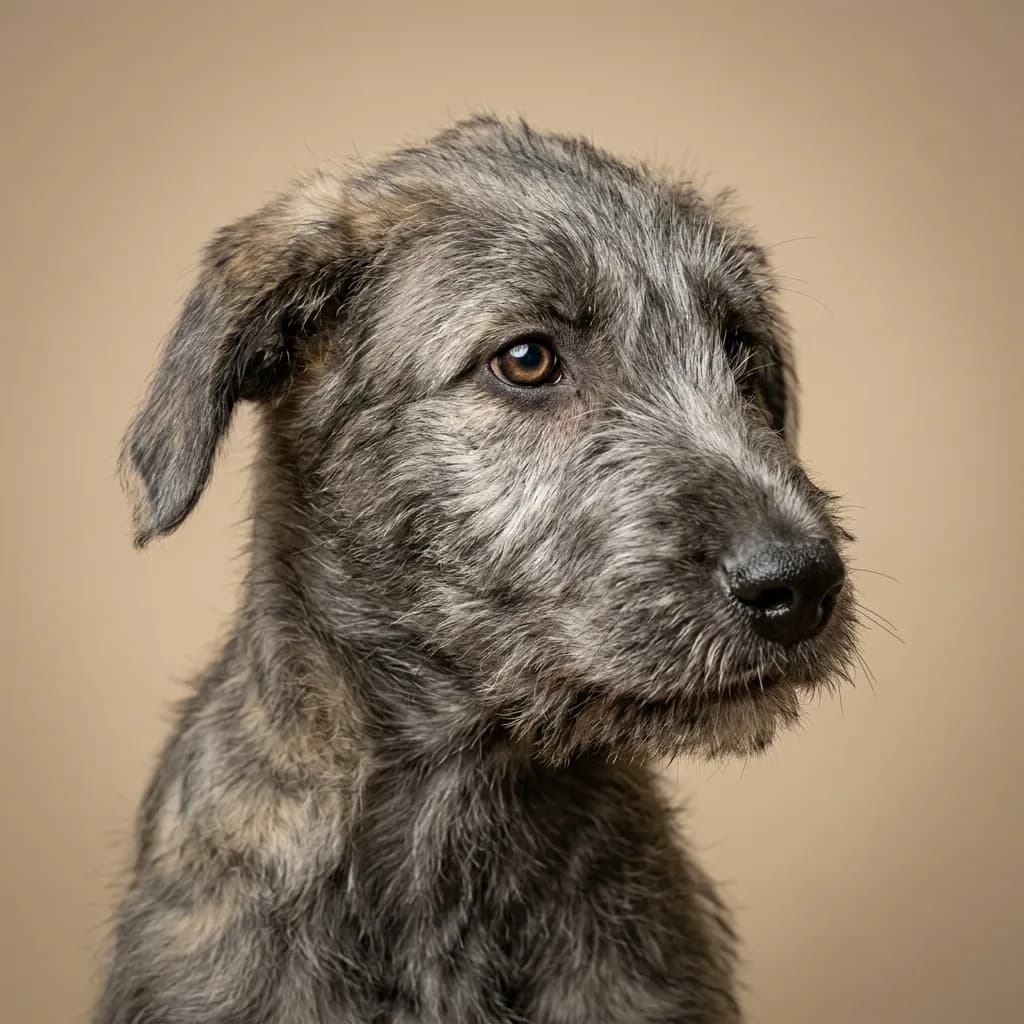
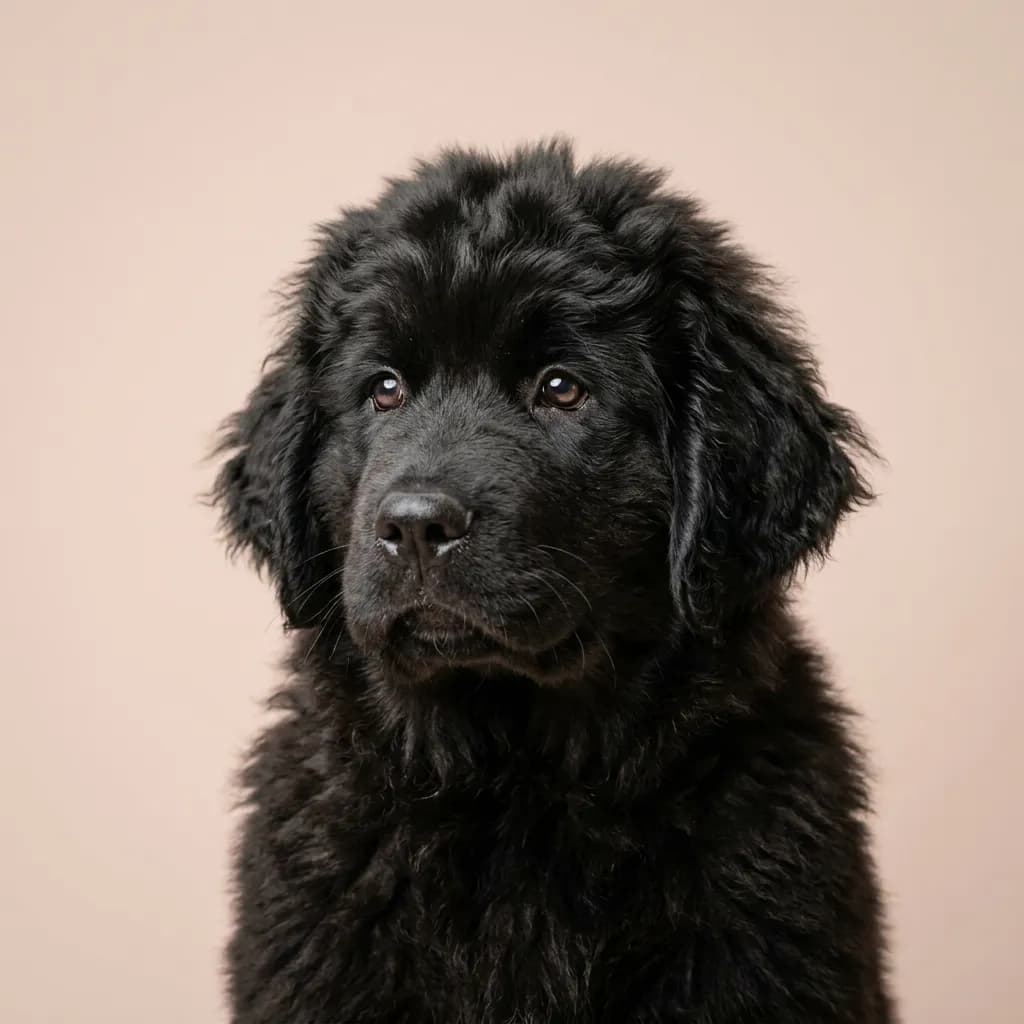
People compare Irish Wolfhounds and Newfoundlands because they’re both gentle giants. towering, sweet, and built for families who have space and love big dogs. But the reasons you’d pick one over the other come down to lifestyle and heart. The Irish Wolfhound is a quiet statue with a noble streak. They’re calm indoors, barely bark, and move like they’re in slow motion. But they’re also fragile in a way. their hearts give out early, often by 7 years, and you’ll spend more on vet bills than you’d like. They’re not dog-park dogs. They’re companions, regal and reserved, best for someone who wants a peaceful, dignified presence and can handle the grief of a short lease on life. The Newfoundland, meanwhile, is the dog who’ll save your kid from drowning. Bred to pull nets and rescue sailors, they’re natural water lovers with a softness that feels endless. They’re better with kids than pretty much any breed. patient, tolerant, and always nearby. They drool on your laptop and shed everywhere, yes, but they adapt better to different homes and live a bit longer, usually into their double digits. Here’s the thing no one talks about: both are low-energy, but the Newfoundland needs purpose. They don’t just want to lounge. Give them a job. swimming, carting, even therapy visits. or they’ll quietly sink into sadness. The Wolfhound just wants to be near you, no task required. Pick the Wolfhound if you value quiet grace and have the space and emotional readiness for a short, beautiful chapter. Pick the Newfoundland if you want a devoted, kid-loving partner in an active, messy, joyful life. Just don’t expect either to fit in a small apartment. or to stay dry if you own a black one.
Trait-by-trait
Higher bar = more of that trait. Shedding, barking, drooling, grooming flipped for readability.Where they diverge
Choose the Irish Wolfhound if…
- Families with space
- Gentle companion seekers
- Owners with large homes
Choose the Newfoundland if…
- Families with children
- Water and outdoor enthusiasts
- Those wanting a gentle giant
- You value drooling level — Newfoundland scores higher here.