Japanese Spitz vs Schapendoes
Side-by-side comparison across all 14 AKC trait ratings, with a clear verdict on which breed fits which kind of household.

Not sure which breed fits your life?
Answer five questions about your home, your schedule, and your tolerance for shedding. We’ll match you to your top three breeds from over 200.
Japanese Spitz vs Schapendoes
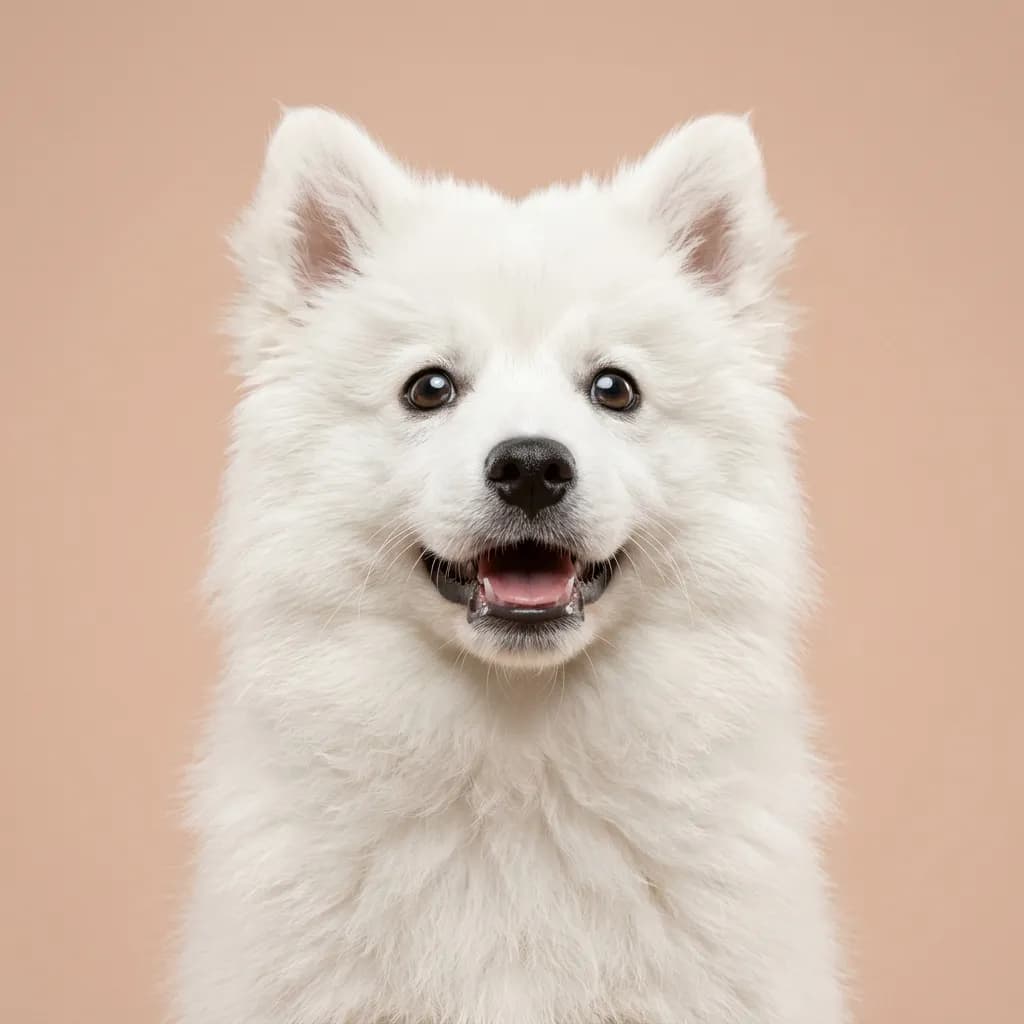
You’re probably comparing a Japanese Spitz and a Schapendoes because both are fluffy, white, and look like they stepped out of a fairy tale. But that’s where the similarities end. these dogs live entirely different lives beneath the fluff. The Japanese Spitz is your cozy apartment companion. At under 25 pounds, this little guy thrives in small spaces, curling up on your lap after a playful sprint around the coffee table. He’s affectionate to a fault, barks when the mail arrives, and wants to be part of everything. But that gorgeous white coat? It’s not low-maintenance. You’ll be brushing several times a week, and yes, you’ll notice the fur on your dark pants. He’s great with kids in calm homes, but he doesn’t need much mental work. just your attention. Now, the Schapendoes is a whole different energy. Bred to herd sheep across Dutch hills, this dog is built for motion. He’s twice the size, with a springy, lively stride and a mind that’s always ticking. You’ll need to give him jobs. agility, obedience, long hikes. because a bored Schapendoes will find his own entertainment, probably involving your shoe collection. His coat is shaggy and high-maintenance too, but surprisingly less shedding than the Spitz. He’s just as affectionate, but his loyalty comes with a side of independence. Here’s the real difference: the Spitz wants to be your shadow. The Schapendoes wants to work with you. If your ideal dog is a cuddler who tags along quietly, go Spitz. If you want a partner who’ll match your active lifestyle and excel in dog sports, the Schapendoes will blow you away. Just don’t expect either to stay clean in the rain.
Trait-by-trait
Higher bar = more of that trait. Shedding, barking, drooling, grooming flipped for readability.Where they diverge
Choose the Japanese Spitz if…
- Apartment dwellers
- Families with children
- First-time owners
- You value shedding level — Japanese Spitz scores noticeably higher.
Choose the Schapendoes if…
- active families
- agility and herding sport enthusiasts
- experienced herding breed owners
- You value good with other dogs — Schapendoes scores higher here.