Japanese Spitz vs Siberian Husky
Side-by-side comparison across all 14 AKC trait ratings, with a clear verdict on which breed fits which kind of household.
Not sure which breed fits your life?
Answer five questions about your home, your schedule, and your tolerance for shedding. We’ll match you to your top three breeds from over 200.
Japanese Spitz vs Siberian Husky
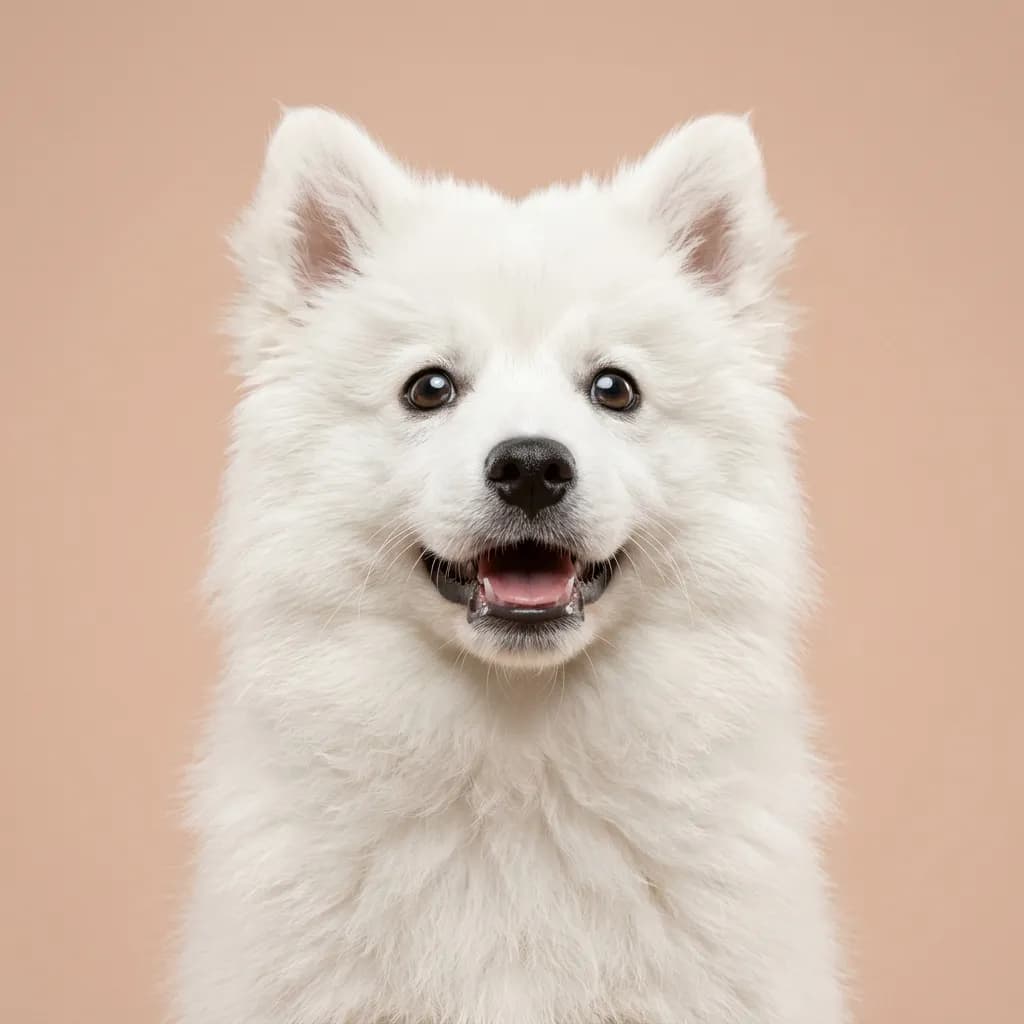
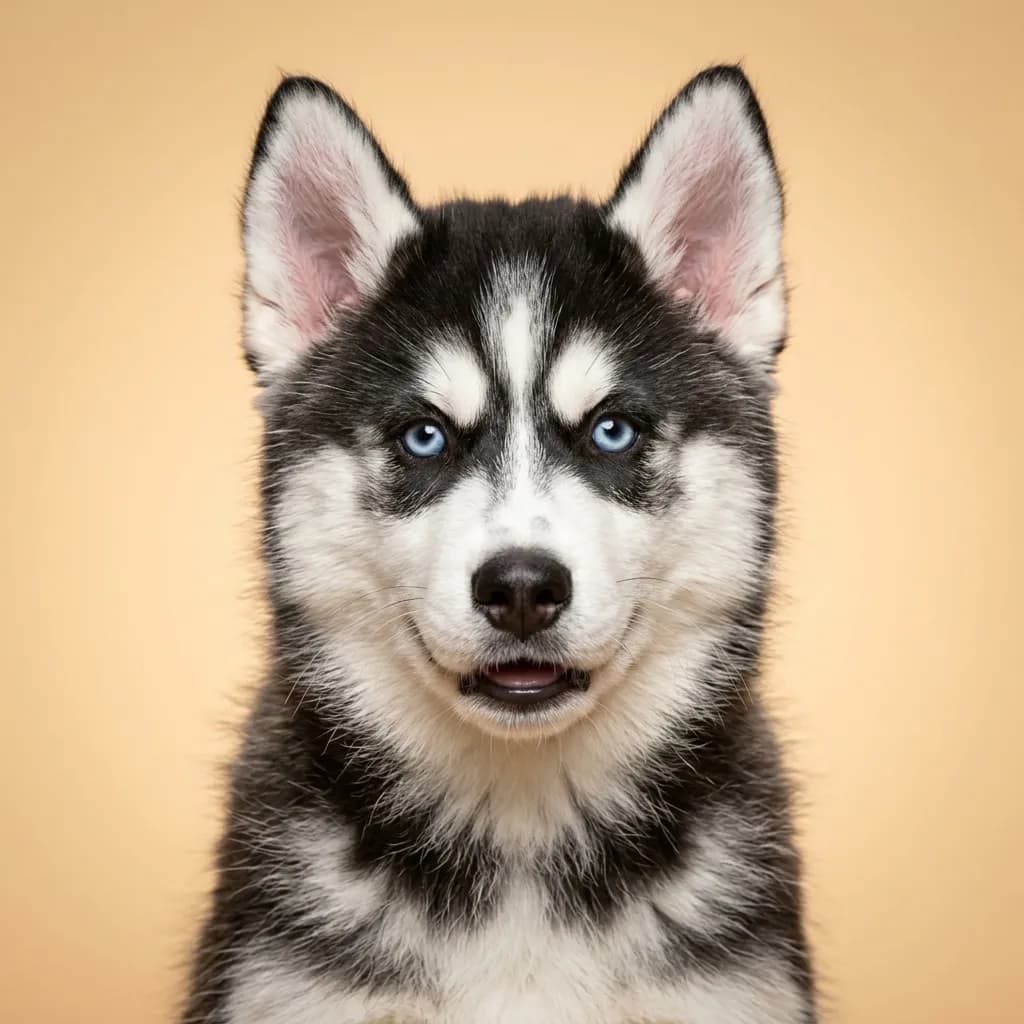
People compare the Japanese Spitz and Siberian Husky because they’re both white, fluffy, and look like living teddy bears straight out of a snowglobe. But that’s where the similarity ends. Think of it like this: one’s a cozy apartment companion who curls up on your lap after a walk around the block, the other’s a high-octane athlete built for Arctic expeditions and 10-mile sprints before breakfast. The Japanese Spitz is your cheerful, alert little shadow. At 10 to 25 pounds, it fits neatly into city living, thrives on routine cuddles, and barks just enough to let you know the mailman exists. It’s great with kids, easy to manage for first-time owners, and adapts well to smaller spaces. But don’t be fooled by that pristine white coat. it sheds year-round and needs weekly brushing, and yes, they’re prone to runny eyes that stain the fur if you don’t wipe them daily. Now, the Siberian Husky? This dog isn’t just shedding, it’s seasonal molting like a snowstorm in July. At 35 to 60 pounds and packed with raw energy, it needs space, structure, and serious daily exercise. A bored Husky will redecorate your backyard or howl the neighborhood down. They’re loyal and gentle with kids, but that independent streak means recall is a myth. off-leash freedom is a pipe dream. Here’s the real talk: the Japanese Spitz wants to be with you, always. The Husky wants to be doing something with you. preferably something long, cold, and far away. If you’re sitting on the couch most weekends, choose the Spitz. If you’re trail running, hiking, or live above the snow line, the Husky might just be your four-legged soulmate.
Trait-by-trait
Higher bar = more of that trait. Shedding, barking, drooling, grooming flipped for readability.Where they diverge
Choose the Japanese Spitz if…
- Apartment dwellers
- Families with children
- First-time owners
- You value watchdog / protective — Japanese Spitz scores noticeably higher.
Choose the Siberian Husky if…
- Active owners who exercise daily
- Cold climate households
- Families with children
- You value good with young children — Siberian Husky scores higher here.