Kai Ken vs Norwegian Elkhound
Side-by-side comparison across all 14 AKC trait ratings, with a clear verdict on which breed fits which kind of household.
Not sure which breed fits your life?
Answer five questions about your home, your schedule, and your tolerance for shedding. We’ll match you to your top three breeds from over 200.
Kai Ken vs Norwegian Elkhound
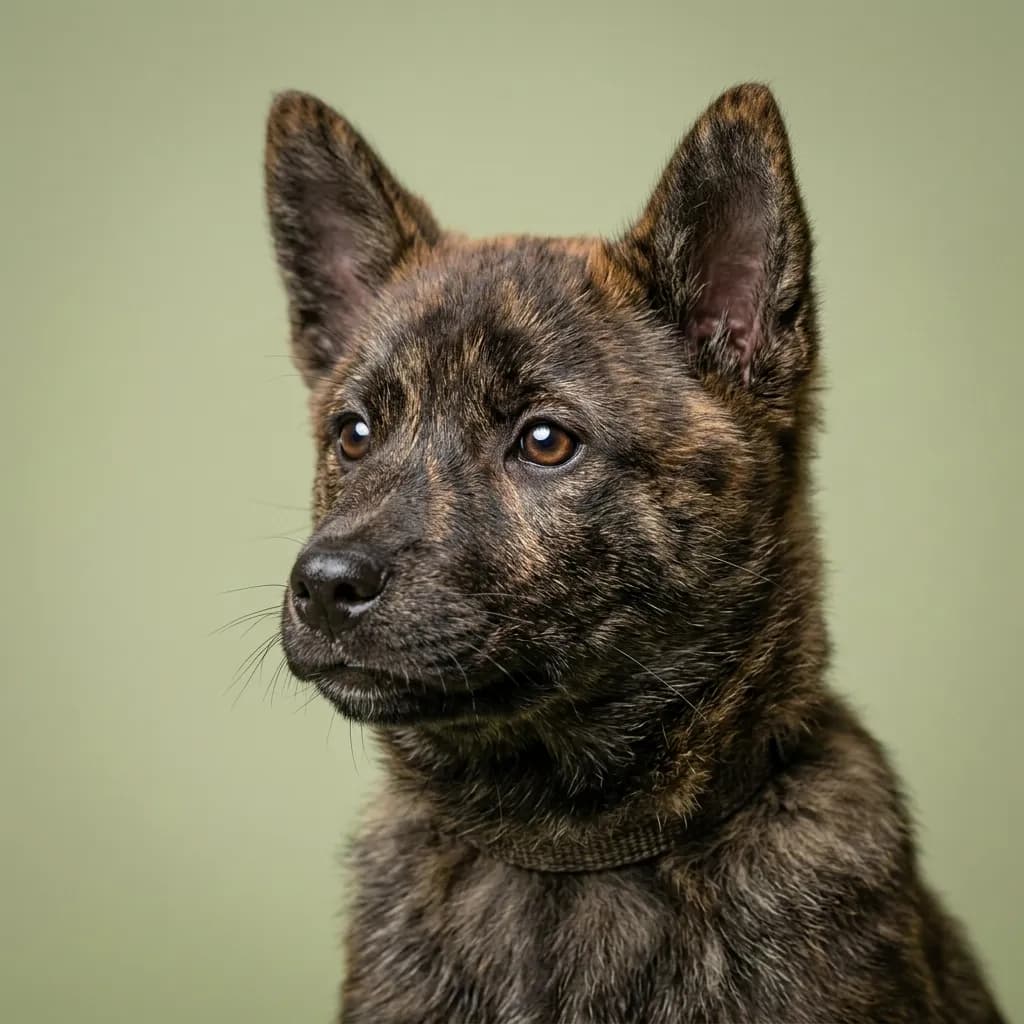
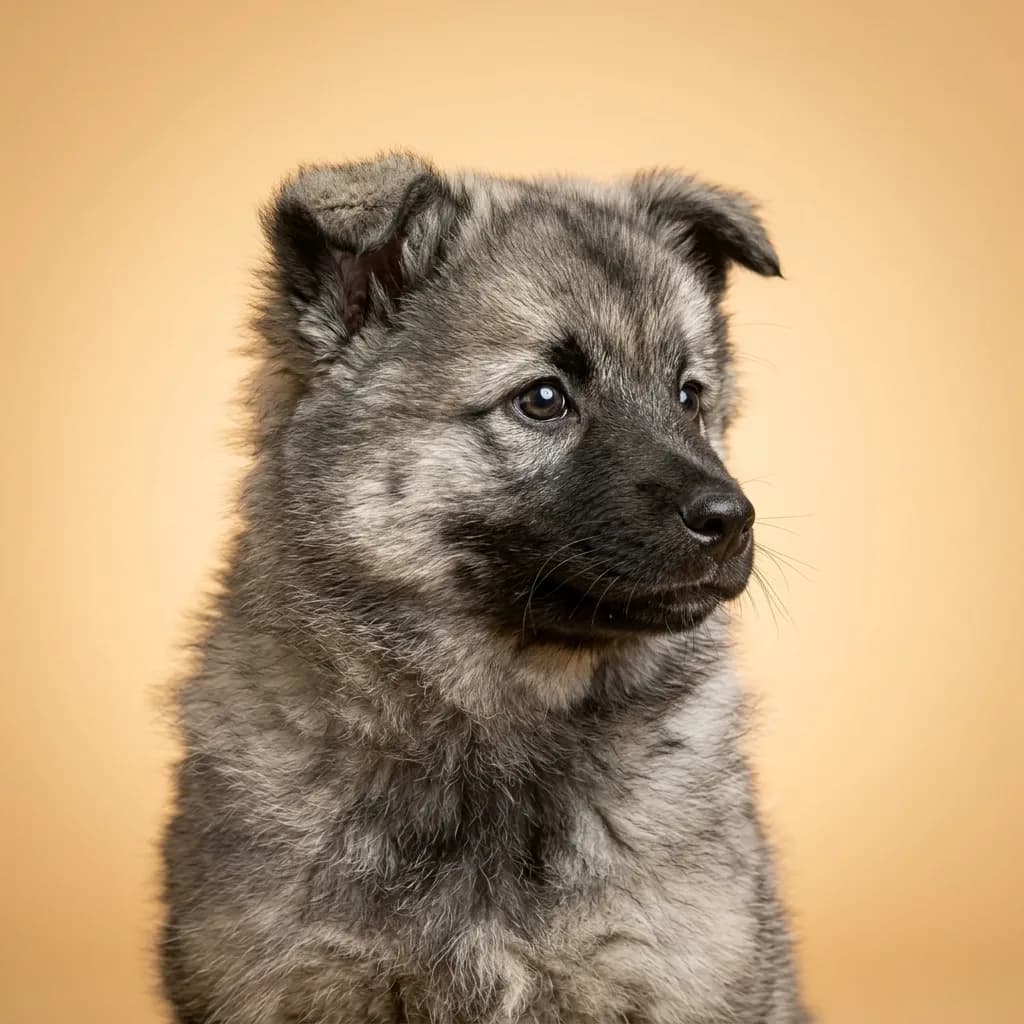
You don’t see Kai Kens and Norwegian Elkhounds squared off at dog parks often, but people compare them for a reason. They’re both rugged, medium-sized, spitz-type dogs built for cold climates, with thick double coats and a history of taking down big game. On paper, they look like cousins. But living with one? That’s where the paths split hard. The Kai Ken is a stealth athlete, lean and built for agility, like a mountain climber with a quiet intensity. It’s bonded, alert, and reserved. not the type to greet your guests with tail wags. It thrives with experienced owners who respect its independence and have the time to channel that sharp mind. This isn’t a dog for apartments or first-timers. It’s wary of small pets, doesn’t adapt well to city life, and needs space and purpose. Think of it as the focused, disciplined partner for someone who hikes off-trail and values a deep, almost silent connection with their dog. The Norwegian Elkhound is bolder, more outgoing, and frankly, louder. It’s got that classic hound confidence, barks at everything, and will happily stand guard over your suburban yard like it’s patrolling a fjord. It’s more adaptable, does better in family settings, and craves affection. this dog wants to be with you, on the couch, on the trail, in the car. But that bark and the constant shedding? They’re non-negotiable. Here’s the real talk: both are high-energy and need mental work, but the Elkhound will forgive a lazy Sunday. The Kai Ken won’t. It’ll invent problems to solve. like dismantling your trash can out of boredom. If you want a loyal shadow that demands engagement, go Kai Ken. If you want a friendly, fearless companion that fits better into active family life, the Elkhound’s your dog.
Trait-by-trait
Higher bar = more of that trait. Shedding, barking, drooling, grooming flipped for readability.Where they diverge
Choose the Kai Ken if…
- Experienced dog owners
- Active owners
- Cold climates
Choose the Norwegian Elkhound if…
- Active families
- Cold climate dwellers
- Outdoor and hiking enthusiasts
- You value affectionate w/ family — Norwegian Elkhound scores higher here.