Kai Ken vs Otterhound
Side-by-side comparison across all 14 AKC trait ratings, with a clear verdict on which breed fits which kind of household.
Not sure which breed fits your life?
Answer five questions about your home, your schedule, and your tolerance for shedding. We’ll match you to your top three breeds from over 200.
Kai Ken vs Otterhound
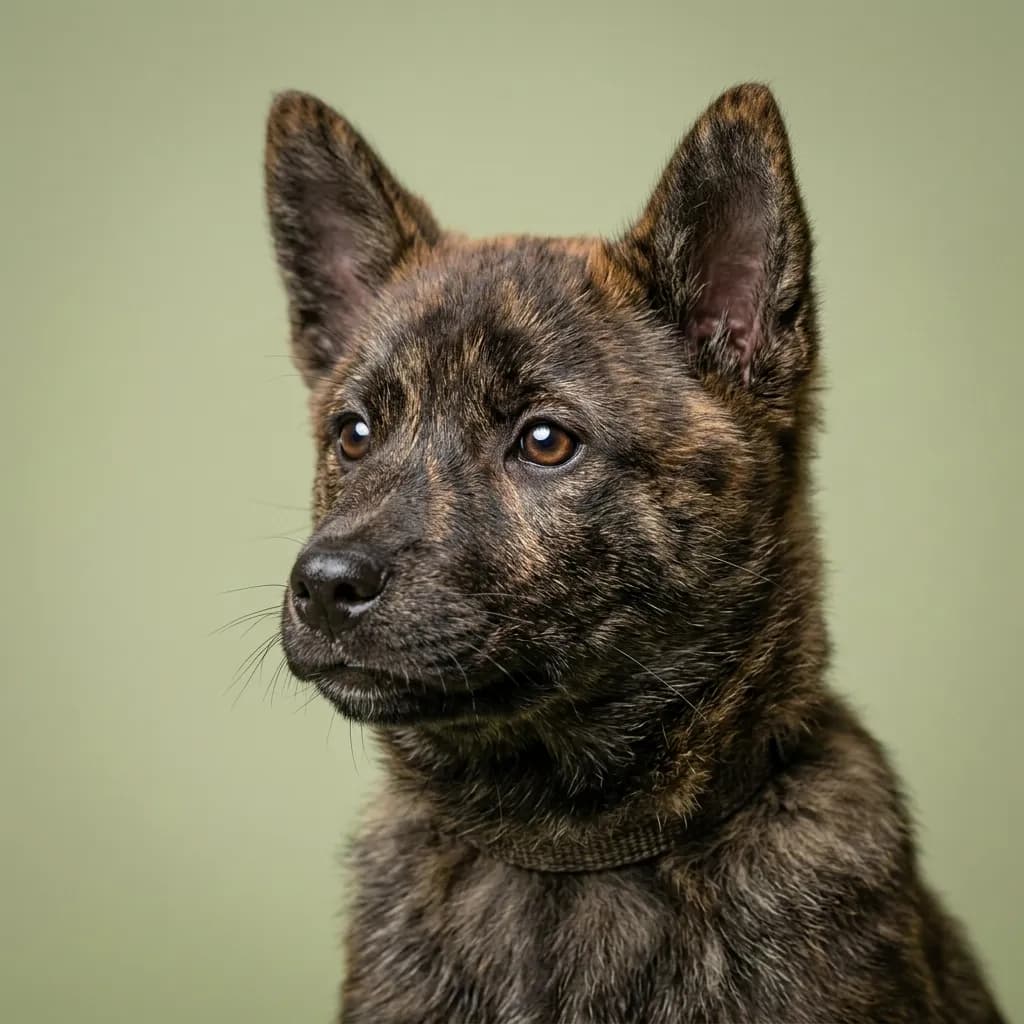
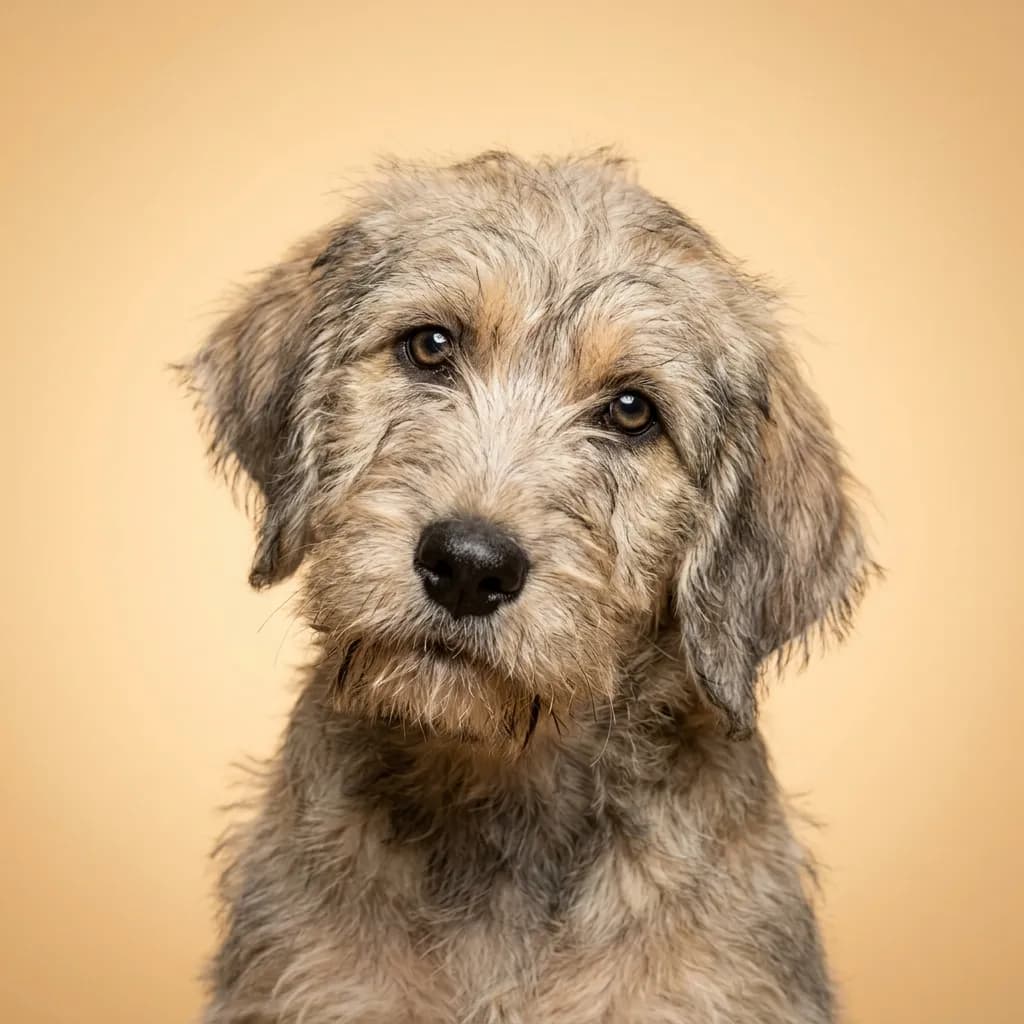
You’re not actually trying to pick between a Kai Ken and an Otterhound because they’re wildly different dogs. But I get why you’re here. Both are rare, both have wild looks, and both sound like something you’d rescue from a fantasy novel. That’s where the similarities end. The Kai Ken is a compact, agile hunter from Japan’s mountain forests, built for rugged terrain and serious work. Think of a dog that can keep up with you on a trail run, then curl up quietly in a cabin. They’re reserved with strangers, loyal to their people, and need experienced handling. They don’t adapt well to apartment life or chaotic homes, and they’ll chase small animals without a second thought. You’ll need time, consistency, and space. The Otterhound? Picture a shaggy, 100-pound slobbery teddy bear with a passion for rivers and a voice like a foghorn. They’re friendly, goofy, and deeply affectionate, but they bark. A lot. And they drool. And they smell. like wet dog and earth and river muck, because that’s their heritage. They were bred to work independently in packs, so don’t expect a reliable recall. But they’re surprisingly adaptable for their size and thrive with active families who don’t mind the mess. If you’re drawn to the Kai Ken, you likely already live off-grid or crave a dog with intense focus and purpose. If the Otterhound calls to you, you’re probably the type who laughs when your dog tracks mud through the house and sings along when they howl at sirens. Here’s the real talk: both breeds are rare for a reason. The Kai Ken’s sensitivity and prey drive aren’t for beginners. The Otterhound’s sheer size and hound stubbornness demand patience. But if you want a dog that turns heads and starts conversations, either one will deliver. just make sure your lifestyle matches the legend.
Trait-by-trait
Higher bar = more of that trait. Shedding, barking, drooling, grooming flipped for readability.Where they diverge
Choose the Kai Ken if…
- Experienced dog owners
- Active owners
- Cold climates
- You value watchdog / protective — Kai Ken scores noticeably higher.
Choose the Otterhound if…
- Active families
- Rural settings
- Outdoor and swimming enthusiasts
- You value affectionate w/ family — Otterhound scores higher here.