Karelian Bear Dog vs Pekingese
Side-by-side comparison across all 14 AKC trait ratings, with a clear verdict on which breed fits which kind of household.
Not sure which breed fits your life?
Answer five questions about your home, your schedule, and your tolerance for shedding. We’ll match you to your top three breeds from over 200.
Karelian Bear Dog vs Pekingese
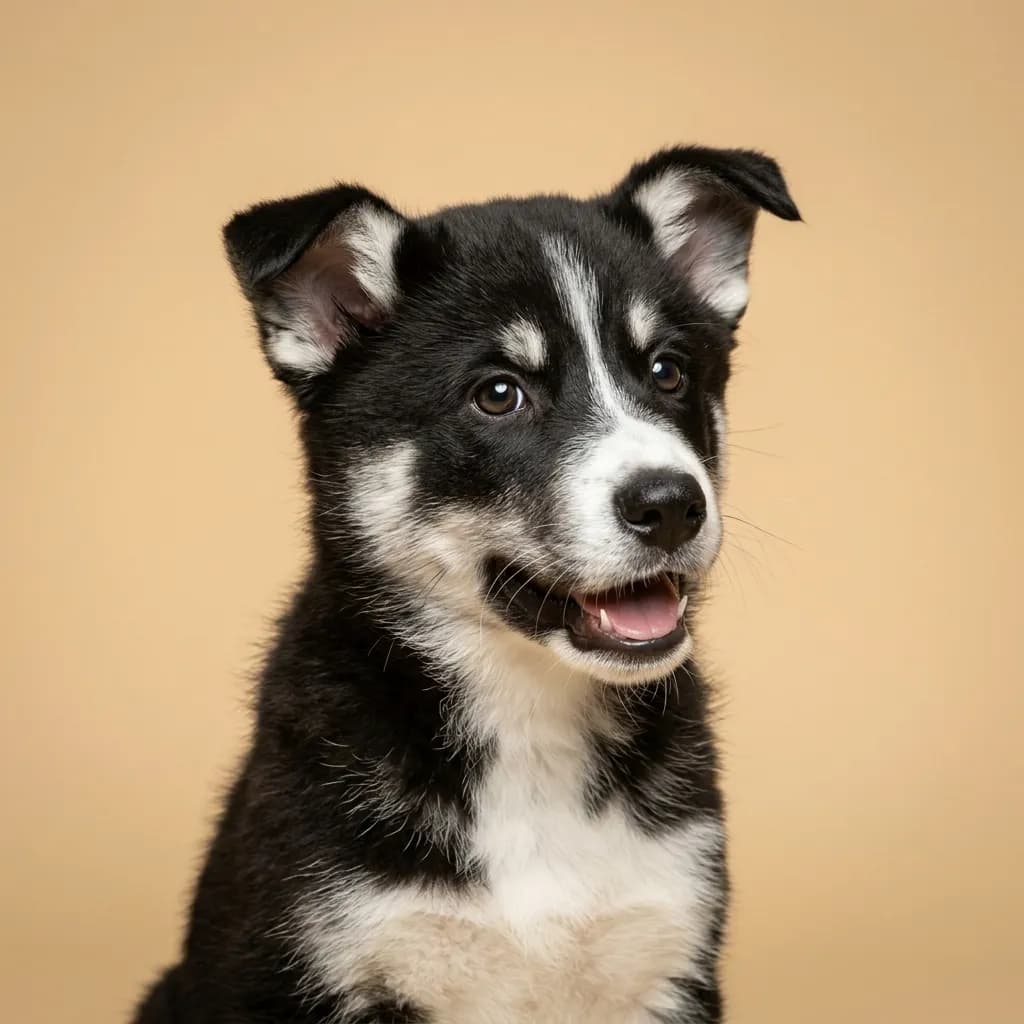
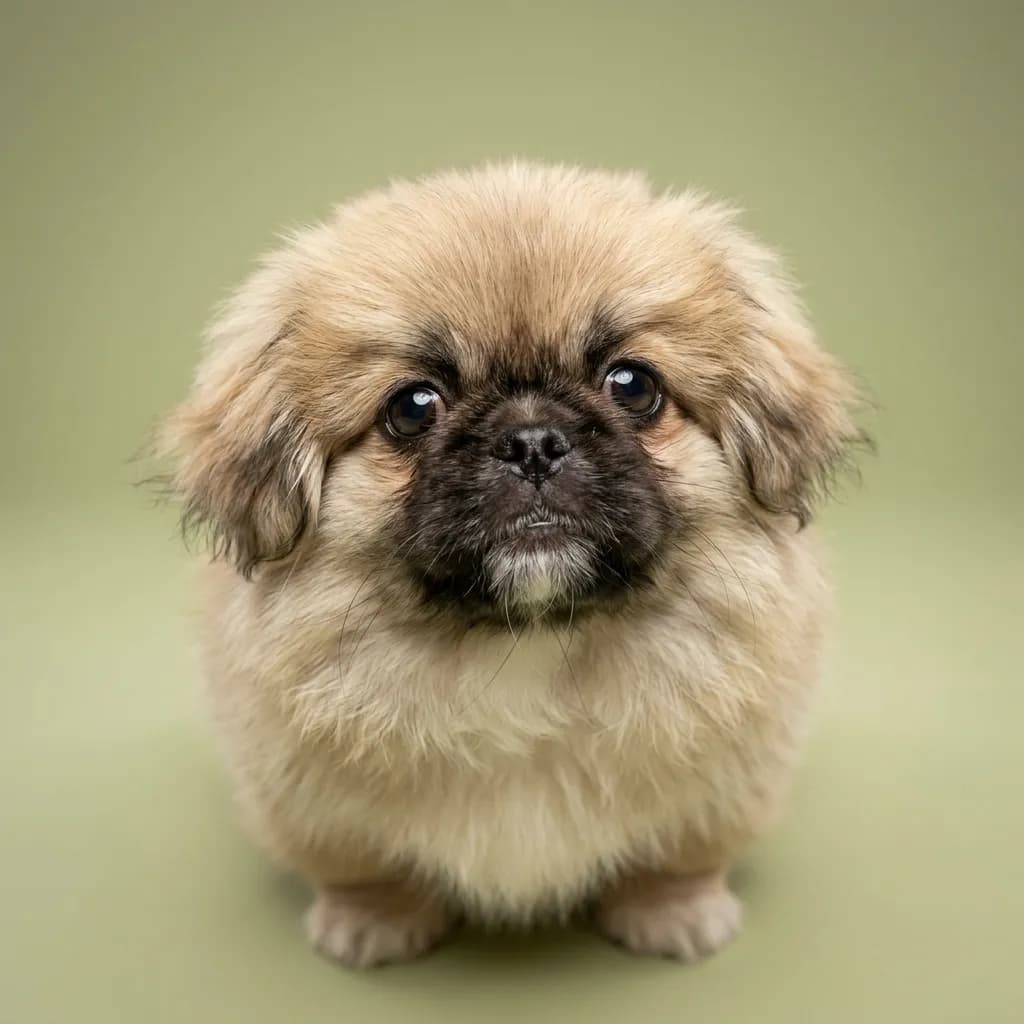
You’re probably not comparing a Karelian Bear Dog and a Pekingese because you’re trying to decide between them. More likely, you’re fascinated by how extreme dog breeding can get. one was literally built to bark at bears in the Finnish wilderness, the other was once carried in the sleeves of Chinese emperors. But if you’re actually choosing? This isn’t about preference. It’s about lifestyle. The Karelian Bear Dog is not a pet in the traditional sense. It’s a working predator with a switchblade focus and zero tolerance for other animals. It needs cold weather, space, and an owner who understands canine psychology. You’ll spend as much time managing its instincts as you will training it. It’s loyal, yes, but on its own terms. Kids? Other dogs? A backyard with a rabbit? Forget it. The Pekingese is the opposite. It’s a master of the indoor universe. dignified, stubborn, and deeply attached to one person. It doesn’t care about your hiking plans or your dog park obsession. It wants your lap, your attention, and not much else. But don’t mistake its calm for simplicity. That flat face means breathing struggles in heat, and those short legs hide a spine prone to injury. It’s not a toy. It’s a fragile, opinionated little soul. Pick the Karelian if you hunt, live remotely, and want a dog that’s more partner than pet. Choose the Pekingese if you live in a city, want a constant companion, and accept that you’re signing up for a high-maintenance lapdog with royal baggage. Here’s the truth the breed standards won’t tell you: both dogs are emotionally intense in opposite ways. The Karelian demands respect through action. The Pekingese demands it through devotion. Neither forgives neglect.
Trait-by-trait
Higher bar = more of that trait. Shedding, barking, drooling, grooming flipped for readability.Where they diverge
Choose the Karelian Bear Dog if…
- Experienced dog owners
- Hunters of large game
- Cold climates
- You value barking level — Karelian Bear Dog scores noticeably higher.
Choose the Pekingese if…
- Apartment living
- Seniors
- Singles or couples
- You value affectionate w/ family — Pekingese scores higher here.