Karelian Bear Dog vs Pudelpointer
Side-by-side comparison across all 14 AKC trait ratings, with a clear verdict on which breed fits which kind of household.
Not sure which breed fits your life?
Answer five questions about your home, your schedule, and your tolerance for shedding. We’ll match you to your top three breeds from over 200.
Karelian Bear Dog vs Pudelpointer
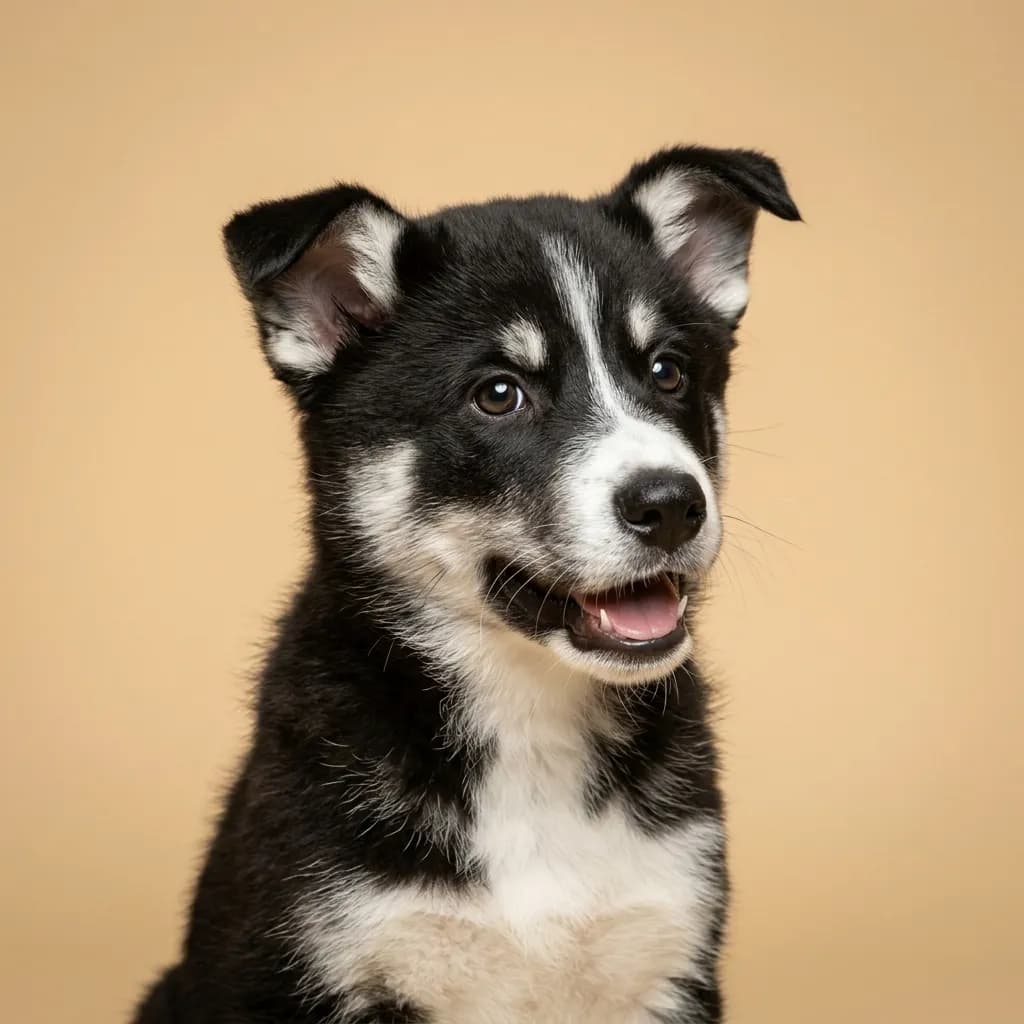
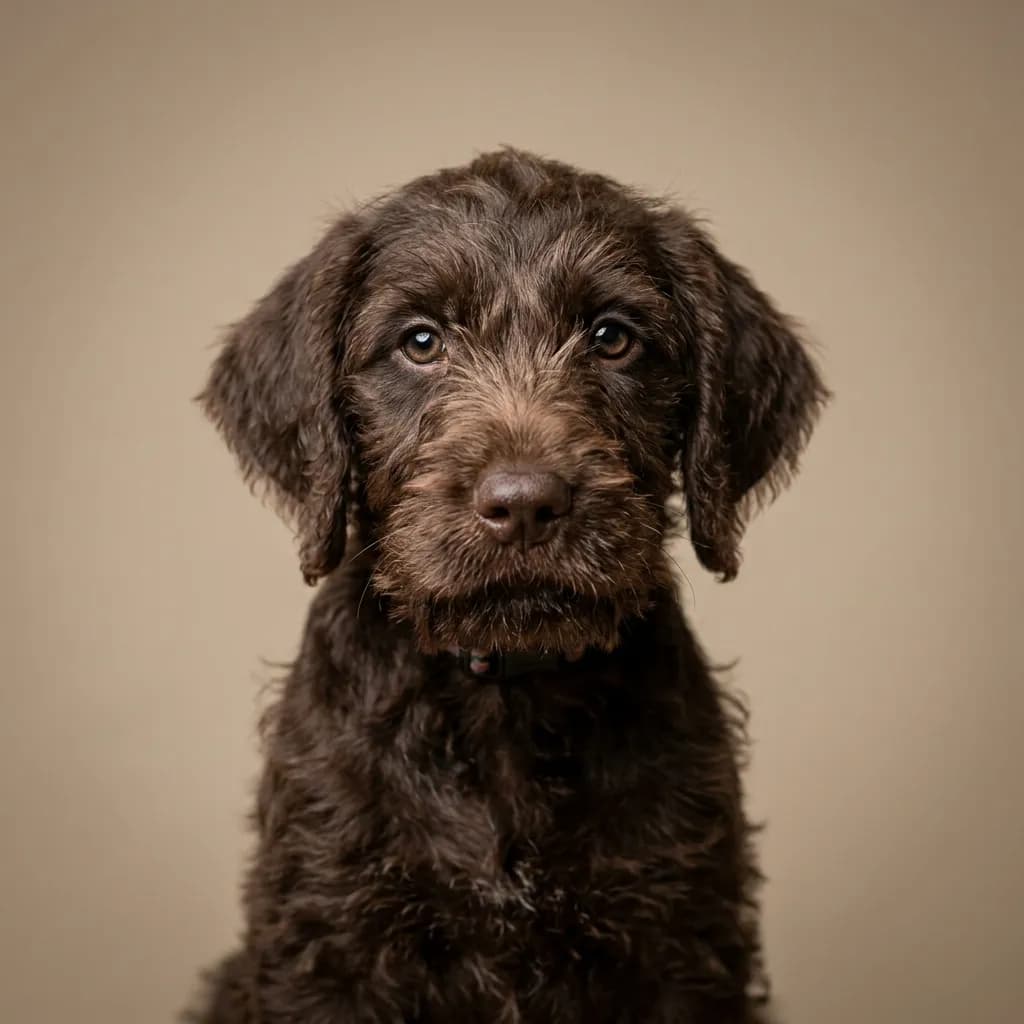
You don’t see these two breeds side by side at the dog park. because honestly, they’re not built for that. People compare Karelian Bear Dogs and Pudelpointers when they’re deep in the hunting dog world and need a serious partner, not just a pet. Both are rare, both are driven, but they come at life from opposite angles. The Karelian Bear Dog was forged in the Finnish wilderness to track and tree bears. That’s not a typo. These dogs are intense, independent thinkers with a switch that flips when prey is near. They’re loyal to their person, yes, but they don’t default to people-pleasing. You’ll need experience, space, and thick skin for their stubborn streak. They don’t play well with other dogs, and kids? That’s a hard no for most. If you live off-grid in Montana and hunt big game, this dog might be your soulmate. But you’ll earn it. The Pudelpointer, bred in Germany as a true dual-purpose gun dog, is more like your all-star athlete who actually wants to please you. They’re smart, biddable, and thrive on training. Whether you’re tracking birds in thick cover or diving into cold water, they’re game. They bond deeply with families and can handle a suburban yard. if you’re out there with them daily. Sedentary owners need not apply. Here’s the real talk: the Karelian isn’t trying to fit into your life. You have to fit into theirs. The Pudelpointer? It wants in. That difference. control versus collaboration. is everything. Pick the Karelian if you want a wild, noble partner you can barely manage. Pick the Pudelpointer if you want a brilliant, driven dog who’ll still curl up at your feet when the hunt’s done.
Trait-by-trait
Higher bar = more of that trait. Shedding, barking, drooling, grooming flipped for readability.Where they diverge
Choose the Karelian Bear Dog if…
- Experienced dog owners
- Hunters of large game
- Cold climates
- You value coat grooming — Karelian Bear Dog scores noticeably higher.
Choose the Pudelpointer if…
- hunters
- very active owners
- waterfowl and upland bird hunters
- You value good with young children — Pudelpointer scores higher here.