Keeshond vs Siberian Husky
Side-by-side comparison across all 14 AKC trait ratings, with a clear verdict on which breed fits which kind of household.
Not sure which breed fits your life?
Answer five questions about your home, your schedule, and your tolerance for shedding. We’ll match you to your top three breeds from over 200.
Keeshond vs Siberian Husky
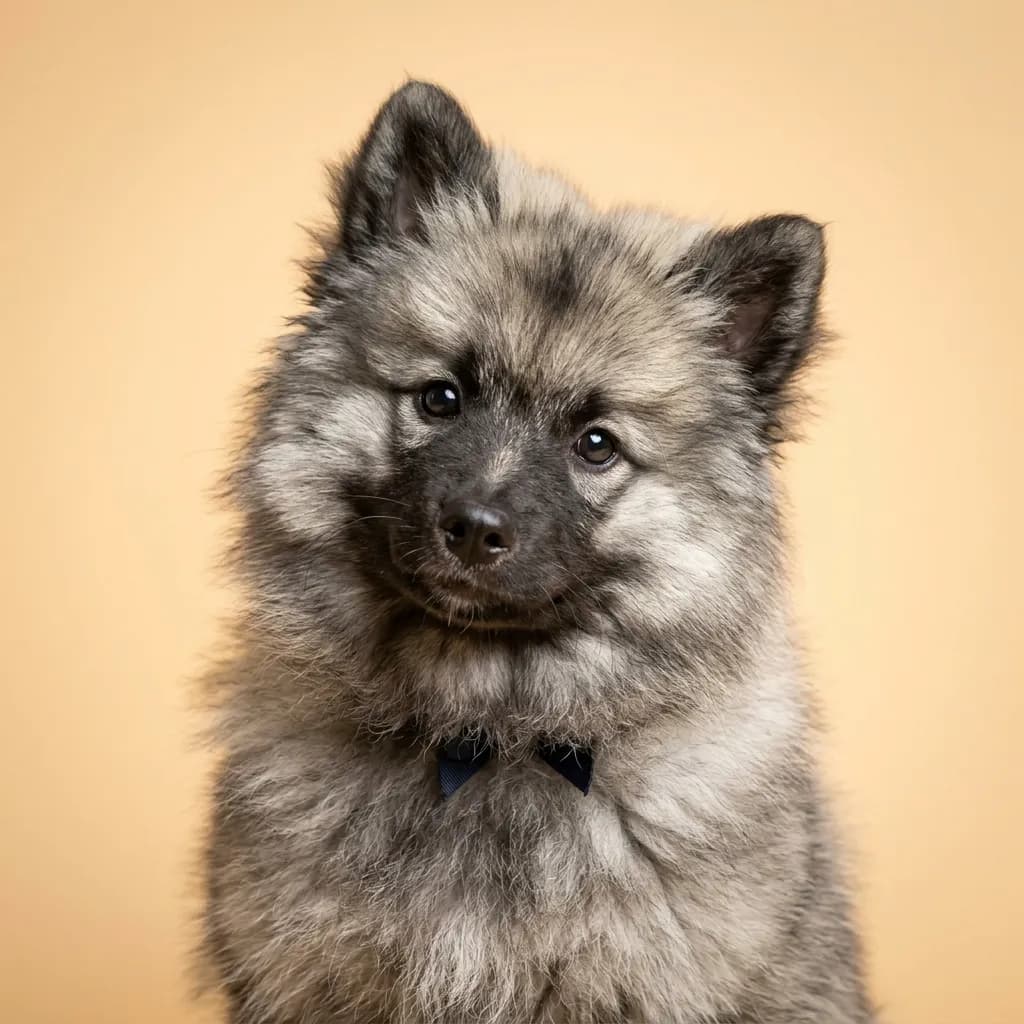
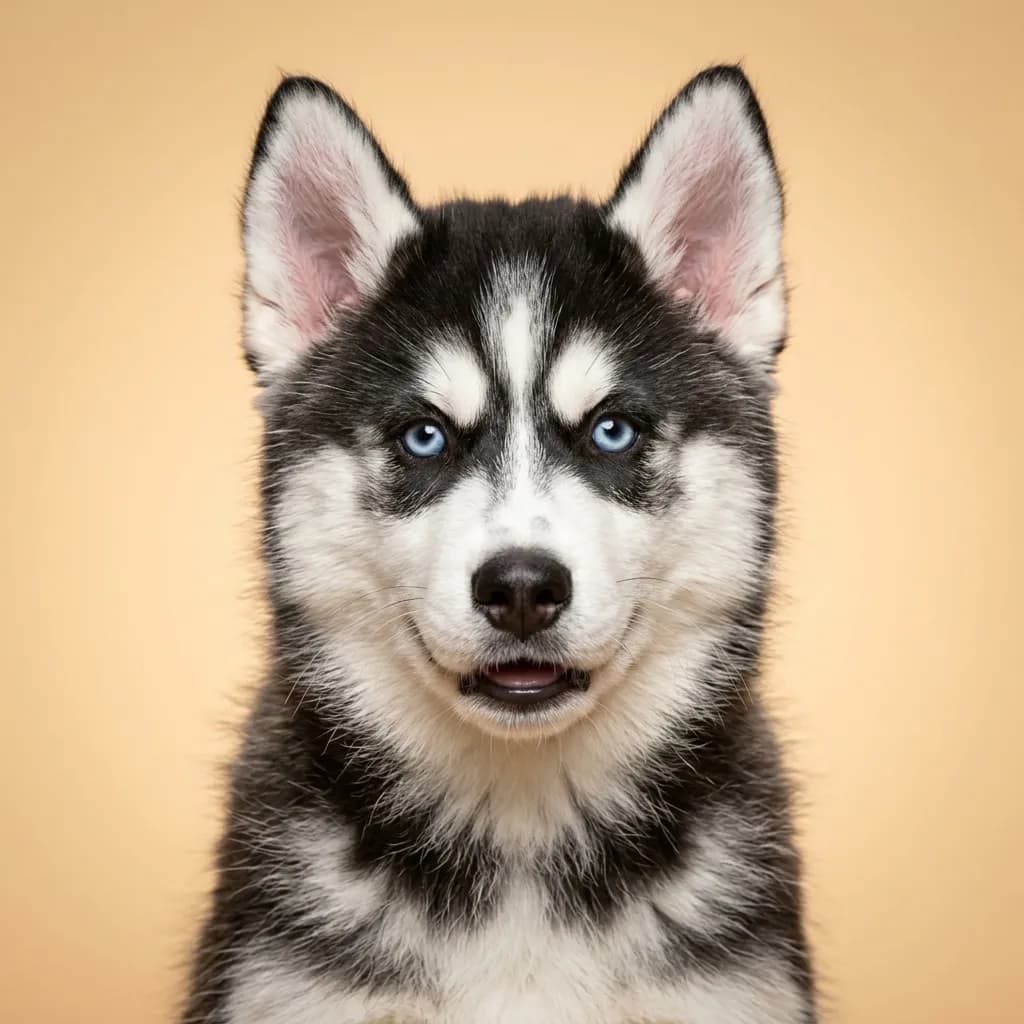
People compare Keeshonds and Siberian Huskies because they look like cousins at a distance, both fluffy, fox-faced, and built for snow. But bring one home and you’ll quickly realize they’re totally different dogs beneath that thick coat. The Keeshond is the neighborhood watch captain who also throws the best block parties. Bred to live on Dutch barges, this 35 to 45 pound companion thrives on routine, connection, and conversation. Yes, conversation. Keeshonds are chatty, scoring a 4/5 on barking, and they bond deeply with every family member, kids included. They’re eager to please, rank high in trainability, and adapt well to city or suburban life. just don’t expect silence or a clean couch during shedding season. The Siberian Husky? That’s the free spirit with a one-way ticket to the wilderness. Slightly larger, often topping 50 pounds, and built for endurance, Huskies were born to run 20 miles a day in subzero temps. Their energy is relentless, their independence strong, and their recall if they catch a squirrel? Forget it. They’ll bark, yes, but they’re more likely to howl at 3 a.m. just because the moon looked inviting. Here’s the real difference: the Keeshond wants to follow you. The Husky wants to lead you somewhere you didn’t plan to go. Choose the Keeshond if you want a responsive, family-centered dog who’s great for first-time owners. Pick the Husky only if you’ve got serious time for exercise, training, and secure fencing. and you’re okay with a dog that treats rules like suggestions. And one truth the breed standards won’t tell you: both dogs will shed on your black pants. Always.
Trait-by-trait
Higher bar = more of that trait. Shedding, barking, drooling, grooming flipped for readability.Where they diverge
Choose the Keeshond if…
- Families with children
- Active owners
- Cold climates
- You value watchdog / protective — Keeshond scores noticeably higher.
Choose the Siberian Husky if…
- Active owners who exercise daily
- Cold climate households
- Families with children
- You value shedding level — Siberian Husky scores higher here.