Kishu Ken vs Norwegian Elkhound
Side-by-side comparison across all 14 AKC trait ratings, with a clear verdict on which breed fits which kind of household.
Not sure which breed fits your life?
Answer five questions about your home, your schedule, and your tolerance for shedding. We’ll match you to your top three breeds from over 200.
Kishu Ken vs Norwegian Elkhound
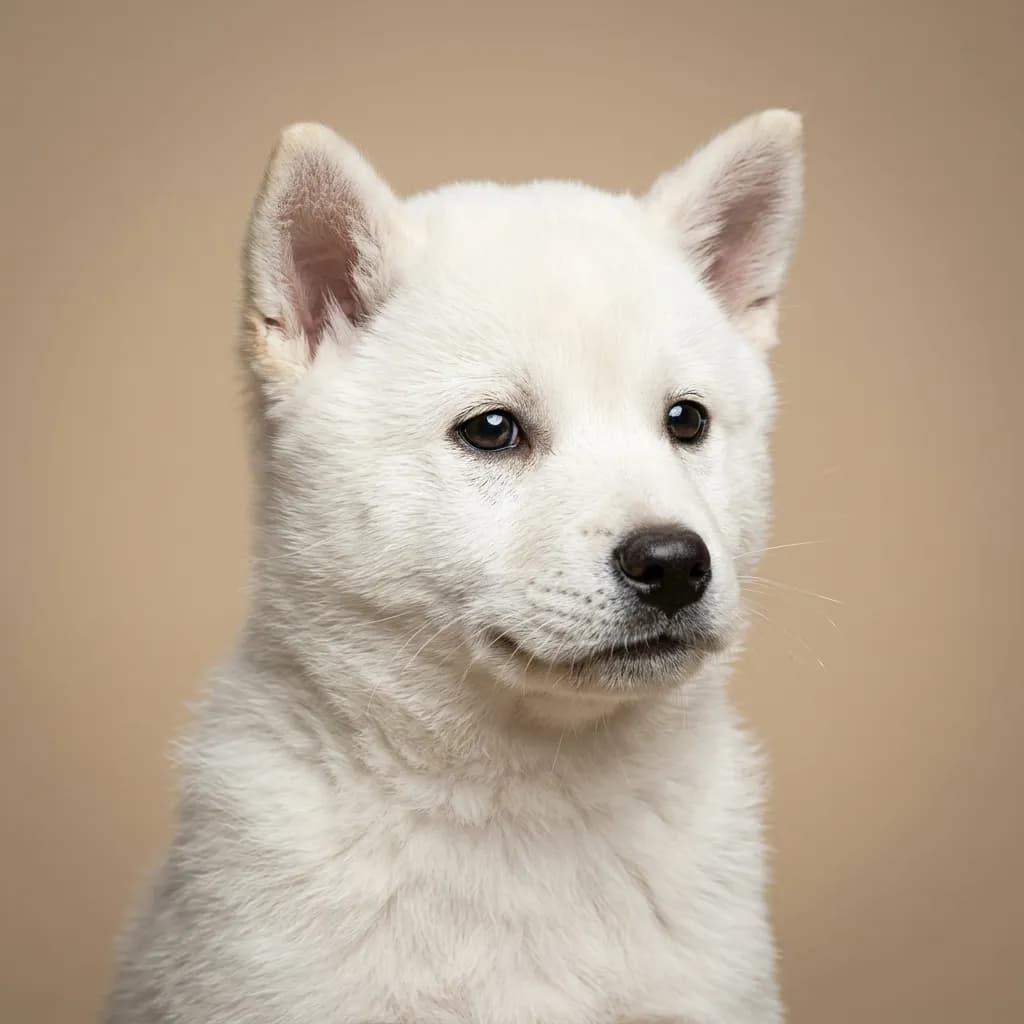
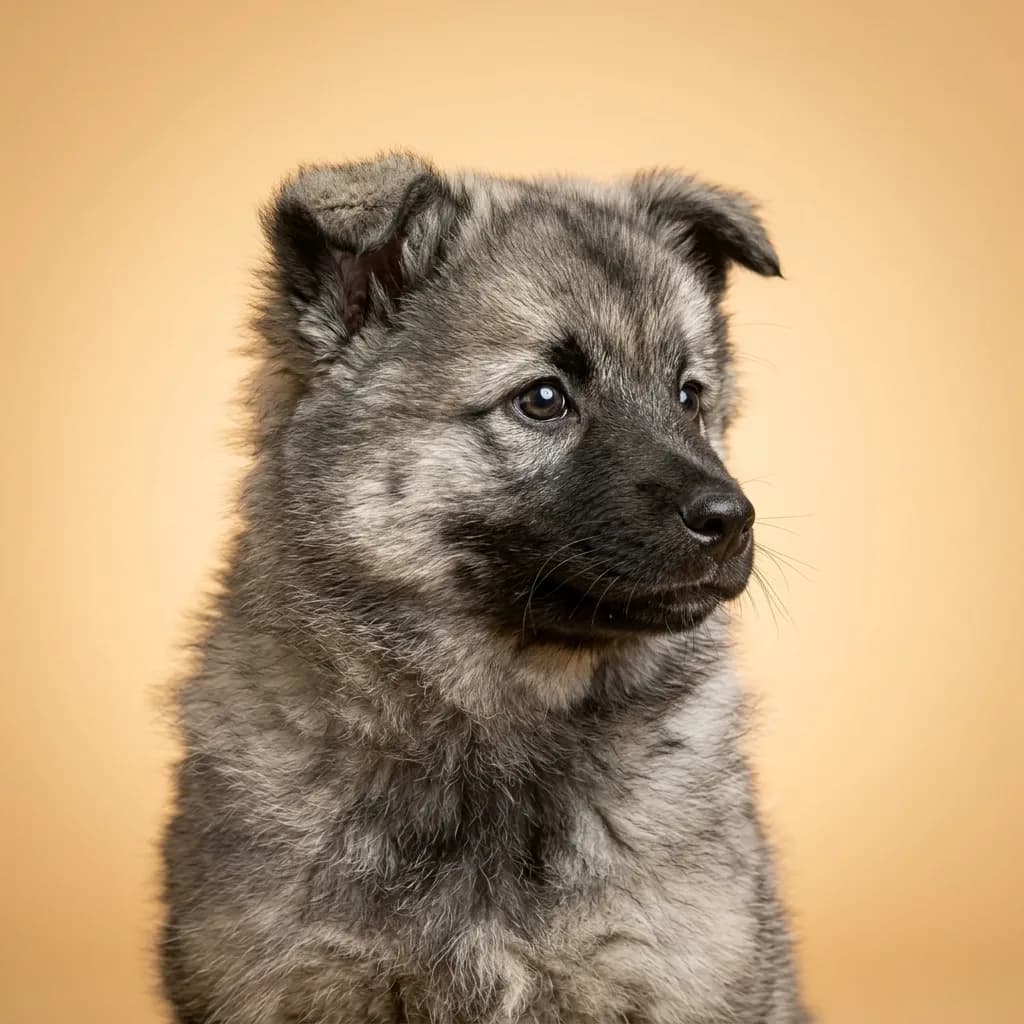
People compare the Kishu Ken and Norwegian Elkhound because they’re both medium to large spitz-type dogs with thick double coats, sharp eyes, and a history of taking down big game in rugged terrain. But that’s where the similarities end. If you’re deciding between them, you’re really choosing between a private guardian and a family co-pilot. The Kishu Ken is reserved, almost monk-like in demeanor. It’s loyal to its people but deeply independent, the kind of dog that will sit and watch you like you’re a puzzle it’s not in a hurry to solve. It’s quiet. rarely barks. which is great if you hate noise, but it also means it won’t alert you to much. It’s not unfriendly, but it’s not eager to please either. This isn’t a dog for first-time owners. It thrives in rural settings with space and routine, and it can be cat-reactive thanks to strong prey drive. You’ll need patience, consistency, and a tolerance for aloofness. The Norwegian Elkhound, on the other hand, wants to be part of the action. It’s bold, affectionate, and will bark at a falling leaf. That watchdog instinct is strong, which makes it a great alert dog, though a nightmare in an apartment. It bonds tightly with families, including kids, and handles routine changes better than the Kishu. It’s still independent. it’s a hound, after all. but it’s more willing to work with you. Here’s the real difference: the Kishu Ken respects you, but the Elkhound loves you out loud. If you want a stoic shadow that earns your trust daily, go Kishu. If you want a sturdy, enthusiastic partner who’ll greet every walk like an expedition, choose the Elkhound. Just be ready to vacuum. constantly.
Trait-by-trait
Higher bar = more of that trait. Shedding, barking, drooling, grooming flipped for readability.Where they diverge
Choose the Kishu Ken if…
- Experienced dog owners
- Active owners
- Cold climates
- You value good with strangers — Kishu Ken scores noticeably higher.
Choose the Norwegian Elkhound if…
- Active families
- Cold climate dwellers
- Outdoor and hiking enthusiasts
- You value barking level — Norwegian Elkhound scores higher here.