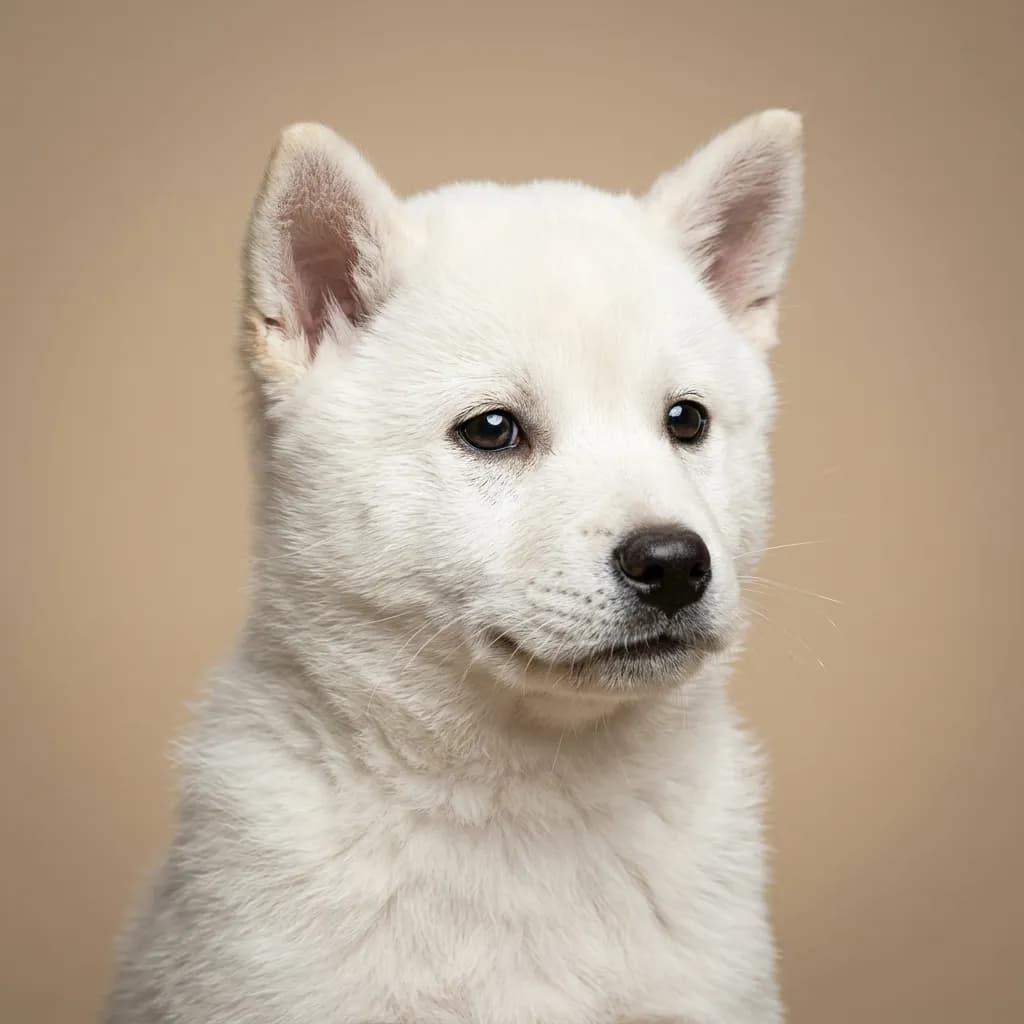
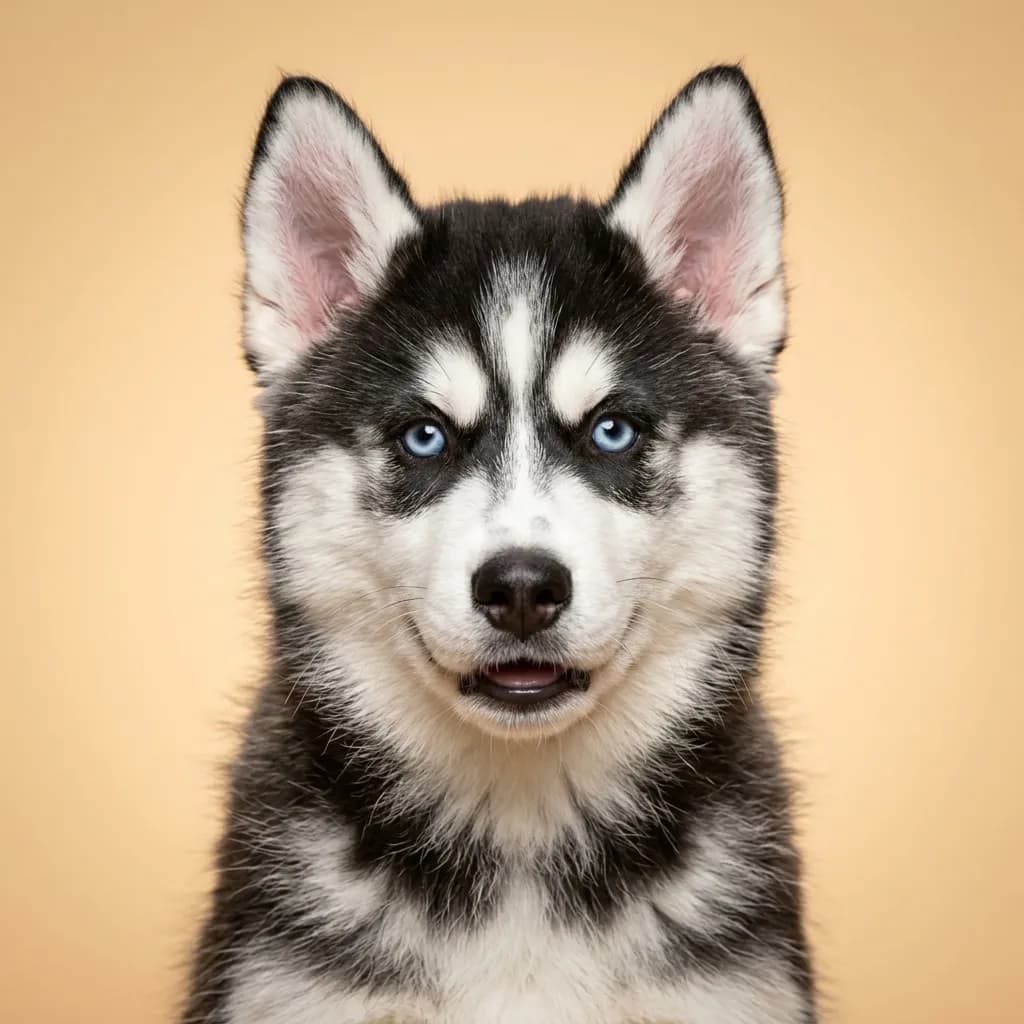
Kishu Ken vs Siberian Husky
Side-by-side comparison across all 14 AKC trait ratings, with a clear verdict on which breed fits which kind of household.
Not sure which breed fits your life?
Answer five questions about your home, your schedule, and your tolerance for shedding. We’ll match you to your top three breeds from over 200.
Kishu Ken vs Siberian Husky
People compare Kishu Kens and Siberian Huskies because they look vaguely alike at a glance. medium-sized, pointy ears, thick double coats, and a wild, foxlike aura. but that’s where the similarities end. If the Husky is your energetic, chatty cousin who wants to be everyone’s best friend, the Kishu is the quiet, intense relative who respects you but won’t fetch your slippers. Huskies are social butterflies bred to work in teams, pulling sleds across frozen tundras with endurance and joy. They thrive on human connection, adore kids, and will howl the house down just for fun. You’ll need time, snow, and a securely fenced yard. because a Husky on a mission to explore won’t listen no matter how much you trained them. They shed heavily twice a year, but their adaptability makes them better for suburban life than most realize. Kishu Kens, on the other hand, were bred to hunt boar solo in Japan’s mountain forests. They’re alert, independent, and deeply loyal. but not to strangers or squirrels or cats. This isn’t a breed that forgives sloppy training. They’re quieter, less prone to barking, but far less forgiving of inexperience. You need to earn their trust, and they demand mental challenge and space to move. Apartment life? Forget it. First-time dog owner? Not ideal. Here’s the real talk: Huskies are easier to love but harder to manage off-leash. Kishus are easier to manage on-leash but harder to bond with deeply. If you want a partner that mirrors your discipline and lives for quiet competence, go Kishu. If you want a goofy, affectionate athlete who’ll pull your kids on a sled and sing you a chorus at 6 a.m., get the Husky. Just know neither will come when called. because both were born to roam.
Trait-by-trait
Higher bar = more of that trait. Shedding, barking, drooling, grooming flipped for readability.Where they diverge
Choose the Kishu Ken if…
- Experienced dog owners
- Active owners
- Cold climates
- You value watchdog / protective — Kishu Ken scores noticeably higher.
Choose the Siberian Husky if…
- Active owners who exercise daily
- Cold climate households
- Families with children
- You value barking level — Siberian Husky scores higher here.