Kishu Ken vs Swedish Vallhund
Side-by-side comparison across all 14 AKC trait ratings, with a clear verdict on which breed fits which kind of household.
Not sure which breed fits your life?
Answer five questions about your home, your schedule, and your tolerance for shedding. We’ll match you to your top three breeds from over 200.
Kishu Ken vs Swedish Vallhund
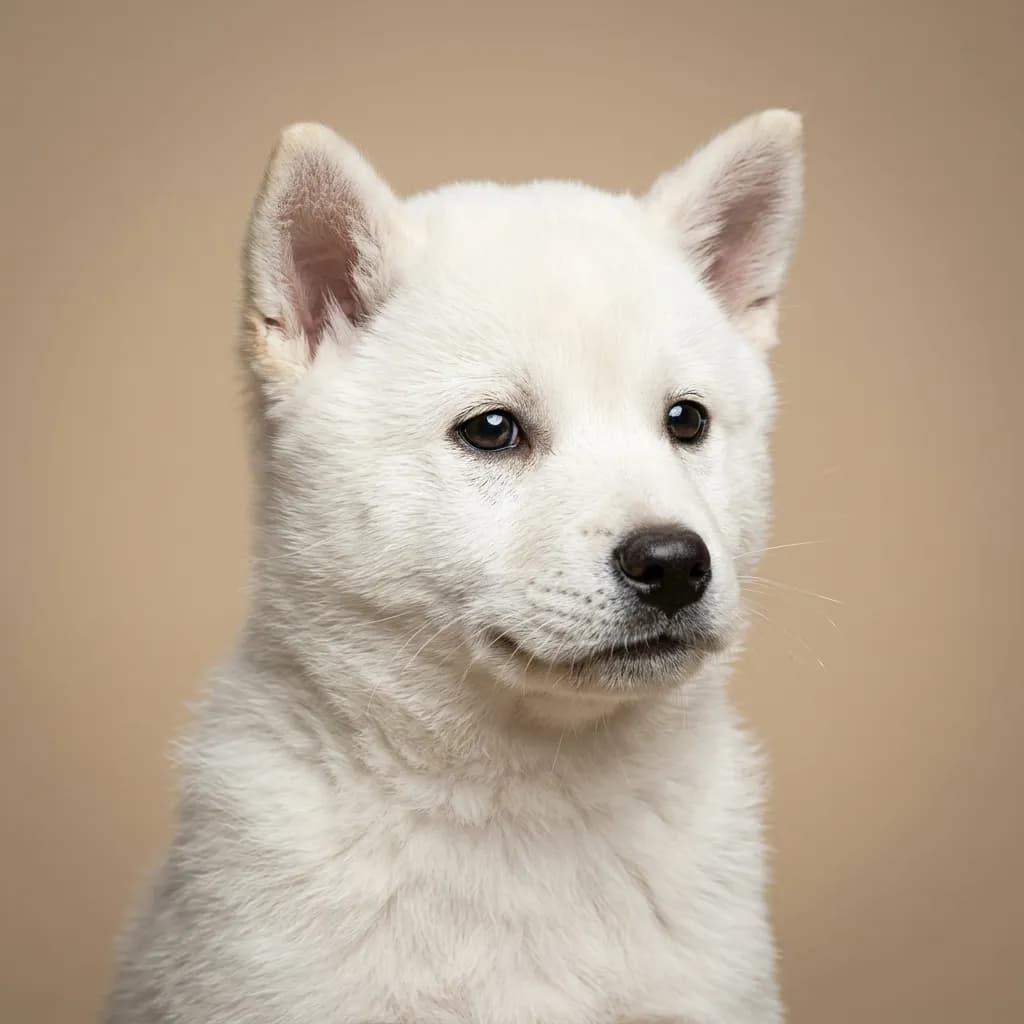
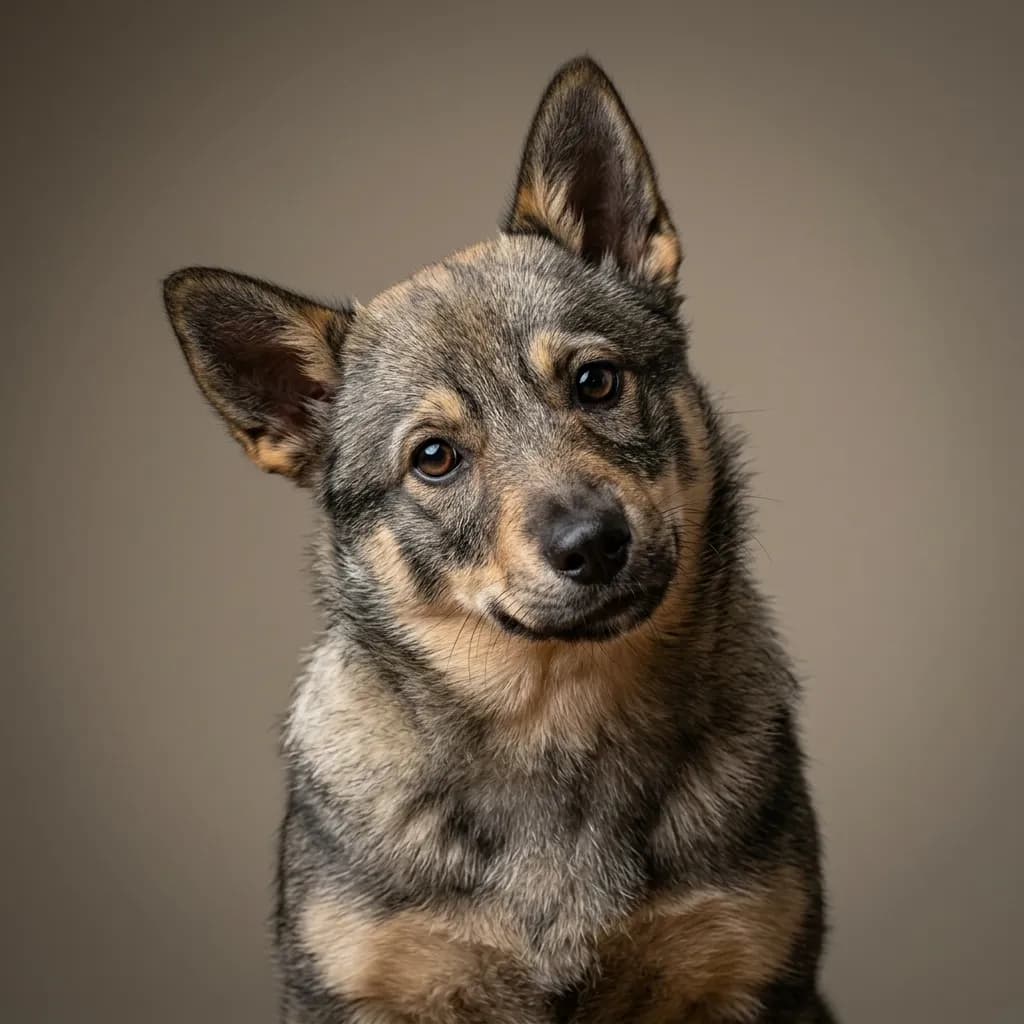
You don’t see too many Kishu Kens or Swedish Vallhunds at the dog park, but if you’re deep in the dog world and looking for something off the beaten path, these two might cross your radar. People compare them because they’re both rare, both spitz-type dogs with pointy ears and fox-like faces, and both pack serious personality in compact packages. But that’s where the similarities end. The Kishu Ken is a quiet ghost of a dog. noble, reserved, built for silent work in mountain forests hunting boar and deer. They’re not unfriendly, but they’re not handing out hugs either. You’ll need experience to earn their trust, and even then, they’ll keep one paw in the wild. They’re not loud, but they’re intense, mentally sharp, and need space. both physical and emotional. Apartment life? Forget it. A house with a yard in a cold, rural area is more their speed. And if you have a cat or rabbit, the Kishu’s prey drive will likely see it as target practice. The Swedish Vallhund, meanwhile, is the cheerful, low-slung cattle driver from Scandinavia who wants to be part of everything. They’re bold, affectionate, and thrive on activity. they’ll herd your kids, your sheep, or just your vacuum cleaner. They bark more, shed more, and demand more interaction, but they’re also easier to train and adapt well to different homes, even apartments if you’re active. They’re great with kids and genuinely want to please. Here’s the real kicker: the Kishu Ken will look at you like you’re lucky to be in their presence. The Vallhund will look at you like you’re the best thing since sliced bread. Pick based on which energy you want in your life. reverent solitude or joyful partnership.
Trait-by-trait
Higher bar = more of that trait. Shedding, barking, drooling, grooming flipped for readability.Where they diverge
Choose the Kishu Ken if…
- Experienced dog owners
- Active owners
- Cold climates
- You value good with strangers — Kishu Ken scores noticeably higher.
Choose the Swedish Vallhund if…
- Active families
- Dog sports enthusiasts
- First-time dog owners willing to train
- You value affectionate w/ family — Swedish Vallhund scores higher here.