Kishu Ken vs Tornjak
Side-by-side comparison across all 14 AKC trait ratings, with a clear verdict on which breed fits which kind of household.
Not sure which breed fits your life?
Answer five questions about your home, your schedule, and your tolerance for shedding. We’ll match you to your top three breeds from over 200.
Kishu Ken vs Tornjak
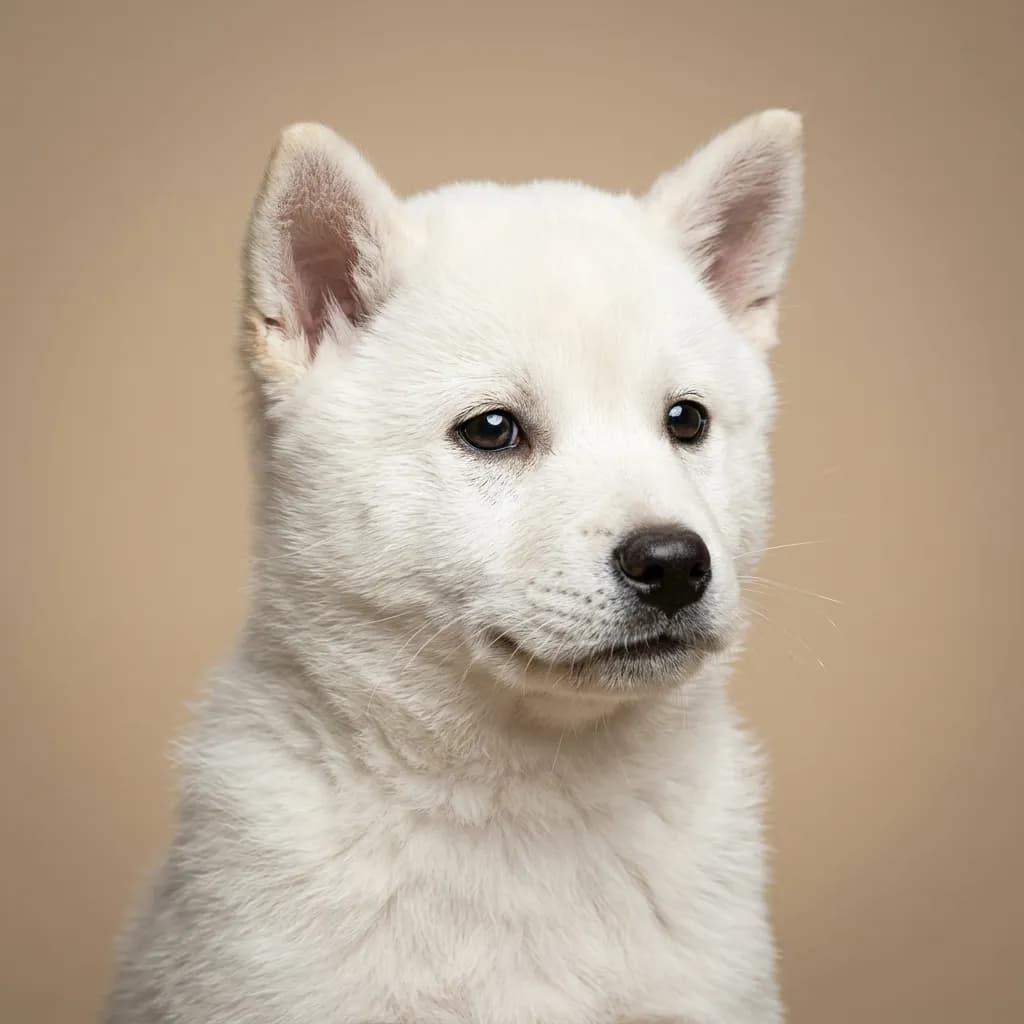
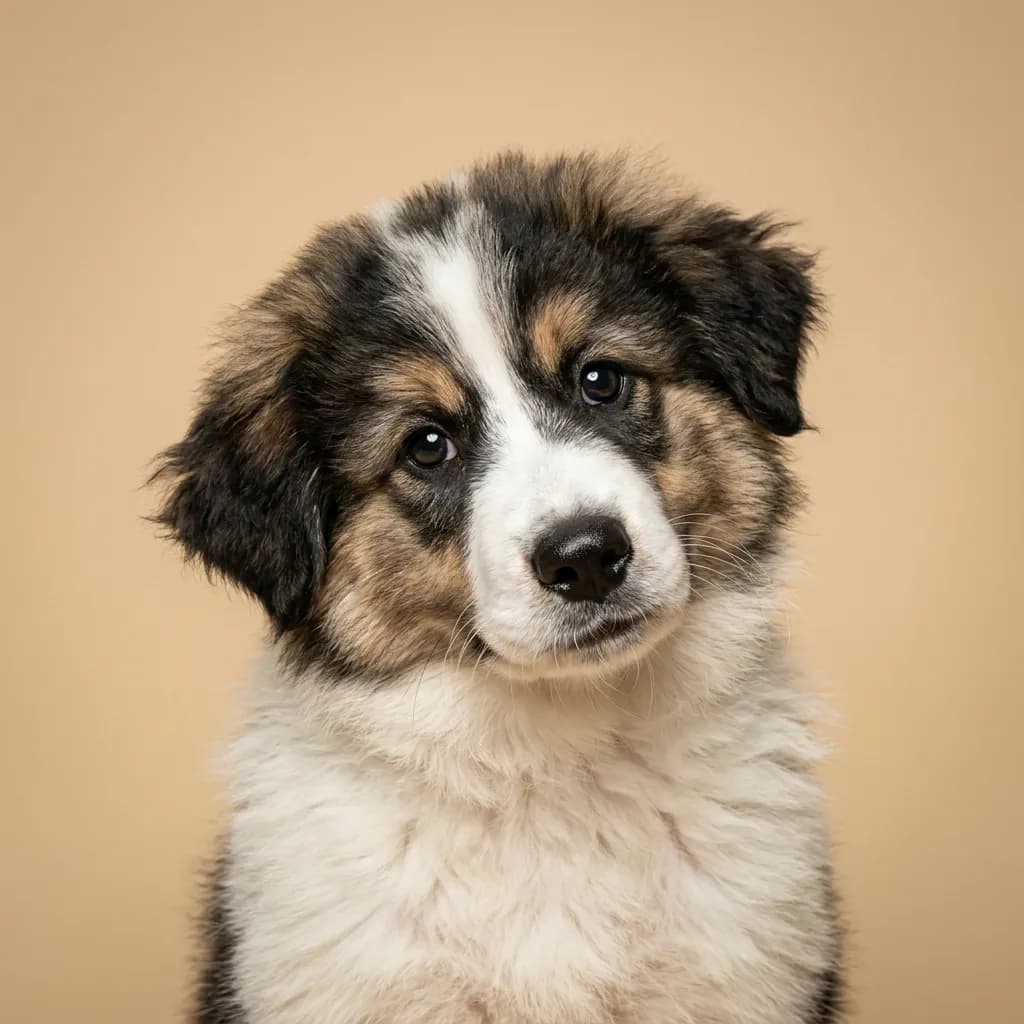
You don’t often hear someone say, “Well, I’m torn between a Kishu Ken and a Tornjak,” but if you’re deep into rare, ancient breeds with a job to do and a strong will to match, these two might both be on your radar. They’re both rare in the U.S., both in the AKC’s Foundation Stock Service, and both bred for rugged, independent work in mountainous terrain. But that’s where the similarities end. The Kishu Ken is a quiet ghost of a dog. medium-sized, built for stealth, bred to stalk wild boar through dense Japanese forests. It’s reserved, even with family, and while deeply loyal, it won’t follow you from room to room. It’s the kind of dog that watches from the corner, assessing. It’s not loud but it’s intense, mentally sharp, and needs a job that challenges it, like scent work or advanced obedience. You’ll need experience reading subtle dog body language, because this breed doesn’t wear its heart on its sleeve. The Tornjak, by contrast, is a full-grown mountain guardian. Think 100 pounds of fluff and presence, bred to patrol the borders of sheep pastures in Bosnia. It’s more affectionate, more vocal, and far more noticeable. It bonds closely with its family and will bark at anything unusual. which is great if you want a watchdog, less so if you live near neighbors. It’s not a hunter; it’s a protector, so its instincts run toward vigilance, not pursuit. If you live on a farm in upstate New York and want a loyal, imposing presence, the Tornjak might be your dog. But if you’re an experienced owner in a quiet rural area who values independence and precision, the Kishu Ken’s quiet intensity might resonate. Here’s the unspoken truth: both require owners who respect their autonomy. But the Kishu Ken will never forgive a heavy hand, while the Tornjak will tolerate a learning curve. if you earn its trust.
Trait-by-trait
Higher bar = more of that trait. Shedding, barking, drooling, grooming flipped for readability.Where they diverge
Choose the Kishu Ken if…
- Experienced dog owners
- Active owners
- Cold climates
- You value good with other dogs — Kishu Ken scores noticeably higher.
Choose the Tornjak if…
- Experienced large-breed owners
- Farm or rural settings
- Livestock guardian needs
- You value drooling level — Tornjak scores higher here.