Komondor vs Otterhound
Side-by-side comparison across all 14 AKC trait ratings, with a clear verdict on which breed fits which kind of household.
Not sure which breed fits your life?
Answer five questions about your home, your schedule, and your tolerance for shedding. We’ll match you to your top three breeds from over 200.
Komondor vs Otterhound
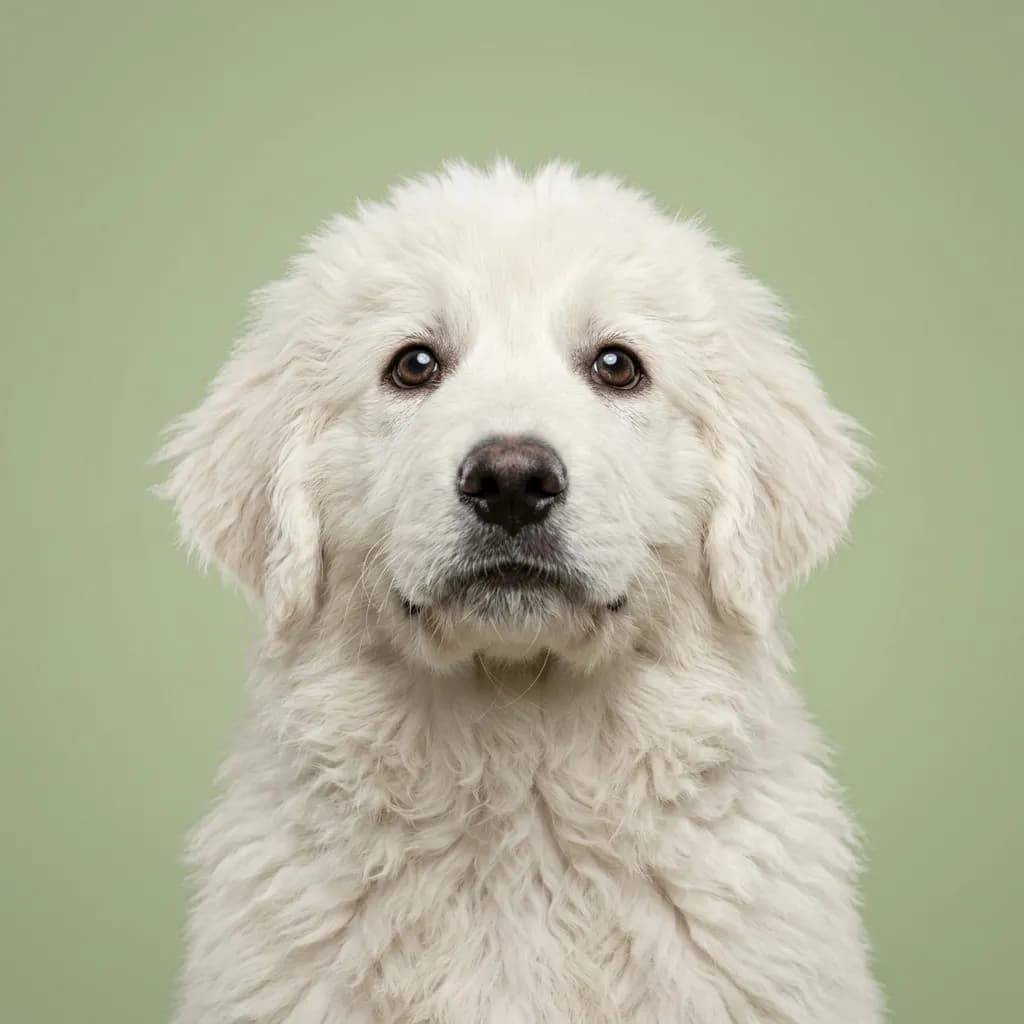
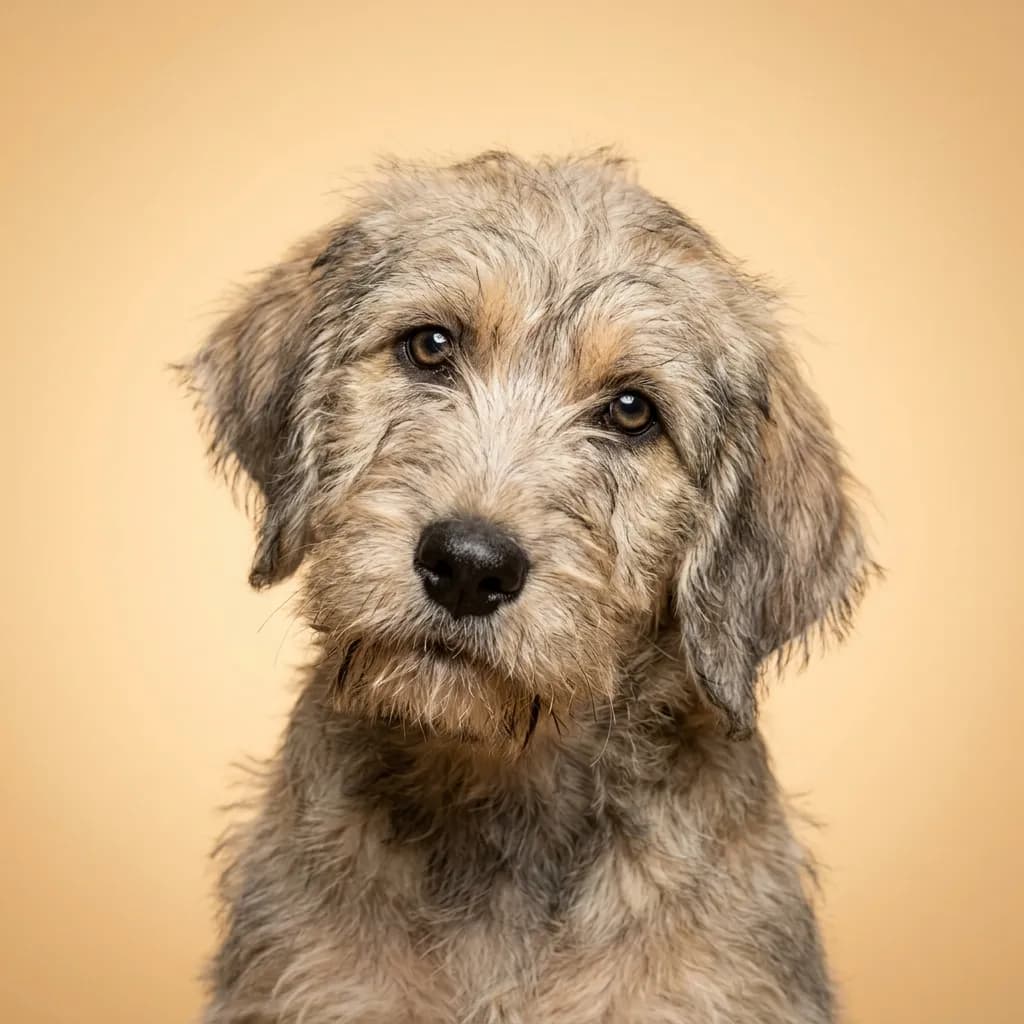
You don’t just stumble into picking between a Komondor and an Otterhound. People compare them because both are rare, big dogs with wild coats and louder-than-average lives, but that’s where the similarities unravel. One looks like a moving mop built for war, the other like a shaggy, cheerful bear who fell in a river and never cared. The Komondor isn’t a pet in the traditional sense. It’s a working guardian bred to live with sheep, not people, and it carries that independence like armor. It’s fiercely loyal to its family but wary of strangers, calm in its movements but always alert. You don’t train a Komondor so much as negotiate with it. Its corded coat? High maintenance isn’t the half of it. You’re committing to hours of drying and separating after every rain or bath. Miss a spot and you’re dealing with skin rot underneath. This dog thrives on a farm, not a suburban yard. The Otterhound is its opposite in spirit. boisterous, goofy, and deeply social. It barks. A lot. It drools. Also a lot. And it carries a distinct “wet dog plus earth” smell that no amount of bathing erases. But it’s adaptable, affectionate, and loves kids and chaos in equal measure. It was built to splash through rivers all day, so rain? Mud? A lake? It’s in heaven. Here’s the real talk: both are stubborn in their own ways, but the Komondor’s loyalty is conditional on respect; the Otterhound’s is unconditional, even when it ignores your recall. again. Pick the Komondor if you need a guardian and have the experience to lead. Pick the Otterhound if you want a shaggy, joyful mess that treats life like a never-ending adventure. Just know. neither will ever be easy. But if you’re honest about your life, one of them will feel like the only choice.
Trait-by-trait
Higher bar = more of that trait. Shedding, barking, drooling, grooming flipped for readability.Where they diverge
Choose the Komondor if…
- Livestock guardians
- Rural or farm living
- Experienced dog owners
- You value coat grooming — Komondor scores noticeably higher.
Choose the Otterhound if…
- Active families
- Rural settings
- Outdoor and swimming enthusiasts
- You value barking level — Otterhound scores higher here.