Kuvasz vs Russian Tsvetnaya Bolonka
Side-by-side comparison across all 14 AKC trait ratings, with a clear verdict on which breed fits which kind of household.
Not sure which breed fits your life?
Answer five questions about your home, your schedule, and your tolerance for shedding. We’ll match you to your top three breeds from over 200.
Kuvasz vs Russian Tsvetnaya Bolonka
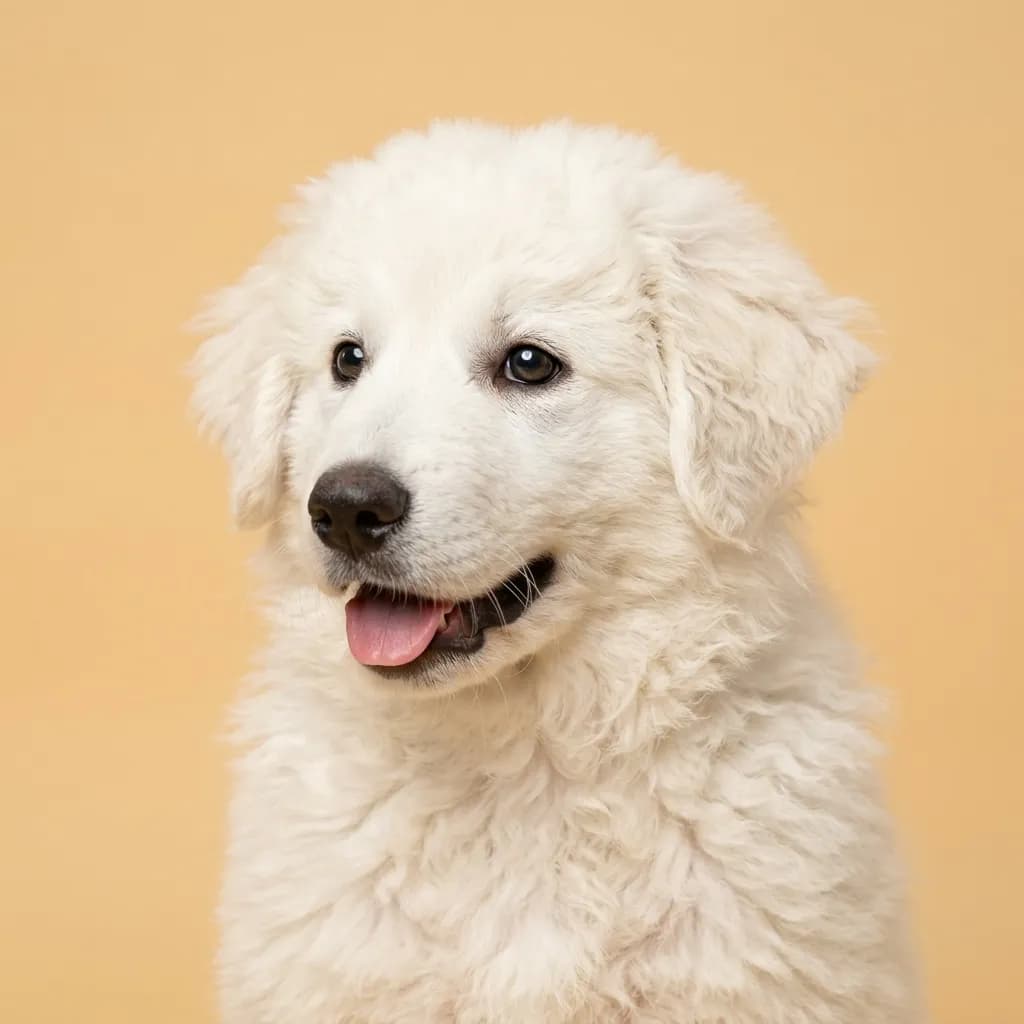
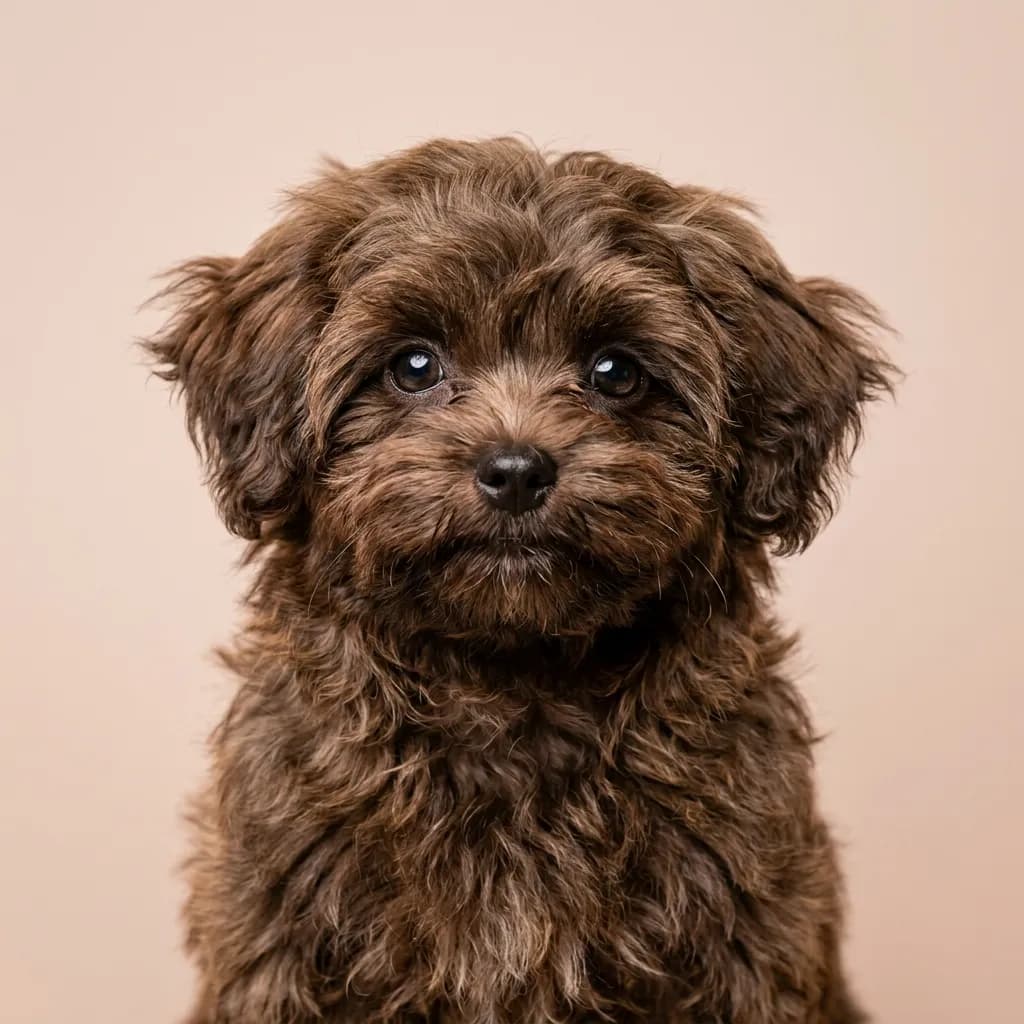
You’re not actually comparing these two breeds because they’re similar. you’re doing it because their names sound exotic and you’re deep in the rabbit hole of dog research, trying to figure out if you want a furry roommate or a furry responsibility. The Kuvasz and Russian Tsvetnaya Bolonka are about as alike as a snowplow and a espresso machine. one’s built to work in blizzards, the other to charm you over morning coffee. The Kuvasz is a massive, white, bear-like guardian from Hungary, bred to fend off wolves and protect flocks. He’s fiercely loyal and surprisingly sweet, but don’t mistake his calm for laziness. He needs space, cold weather, and an owner who understands that “independent thinker” is dog-speak for “will ignore you if he disagrees.” He’s not for apartment life or first-timers. You’ll spend time on grooming and hip screenings, and you’ll accept that he’ll always be watching, always assessing. The Bolonka, meanwhile, fits in a tote bag. This tiny, curly-haired charmer was bred to be a companion, not a worker. He’s hypoallergenic, adaptable, and thrives on human attention. He barks more. watch out for that. and needs daily brushing, but he’s the kind of dog that curls up on your lap during Zoom calls and makes neighbors stop and smile. The real difference? One will guard your homestead, the other your heart. If you live on a farm and want a noble, low-shedding protector, go Kuvasz. If you’re in a city and want a joyful, portable shadow, the Bolonka wins. Honest insight: the Bolonka may seem easier, but his need for constant companionship means he suffers more when left alone. That tiny body hides zero tolerance for loneliness.
Trait-by-trait
Higher bar = more of that trait. Shedding, barking, drooling, grooming flipped for readability.Where they diverge
Choose the Kuvasz if…
- Experienced dog owners
- Rural or farm settings
- Cold climates
- You value shedding level — Kuvasz scores noticeably higher.
Choose the Russian Tsvetnaya Bolonka if…
- Apartment living
- Seniors
- Families with gentle children
- You value playfulness — Russian Tsvetnaya Bolonka scores higher here.