Mountain Cur vs Russian Tsvetnaya Bolonka
Side-by-side comparison across all 14 AKC trait ratings, with a clear verdict on which breed fits which kind of household.
Not sure which breed fits your life?
Answer five questions about your home, your schedule, and your tolerance for shedding. We’ll match you to your top three breeds from over 200.
Mountain Cur vs Russian Tsvetnaya Bolonka
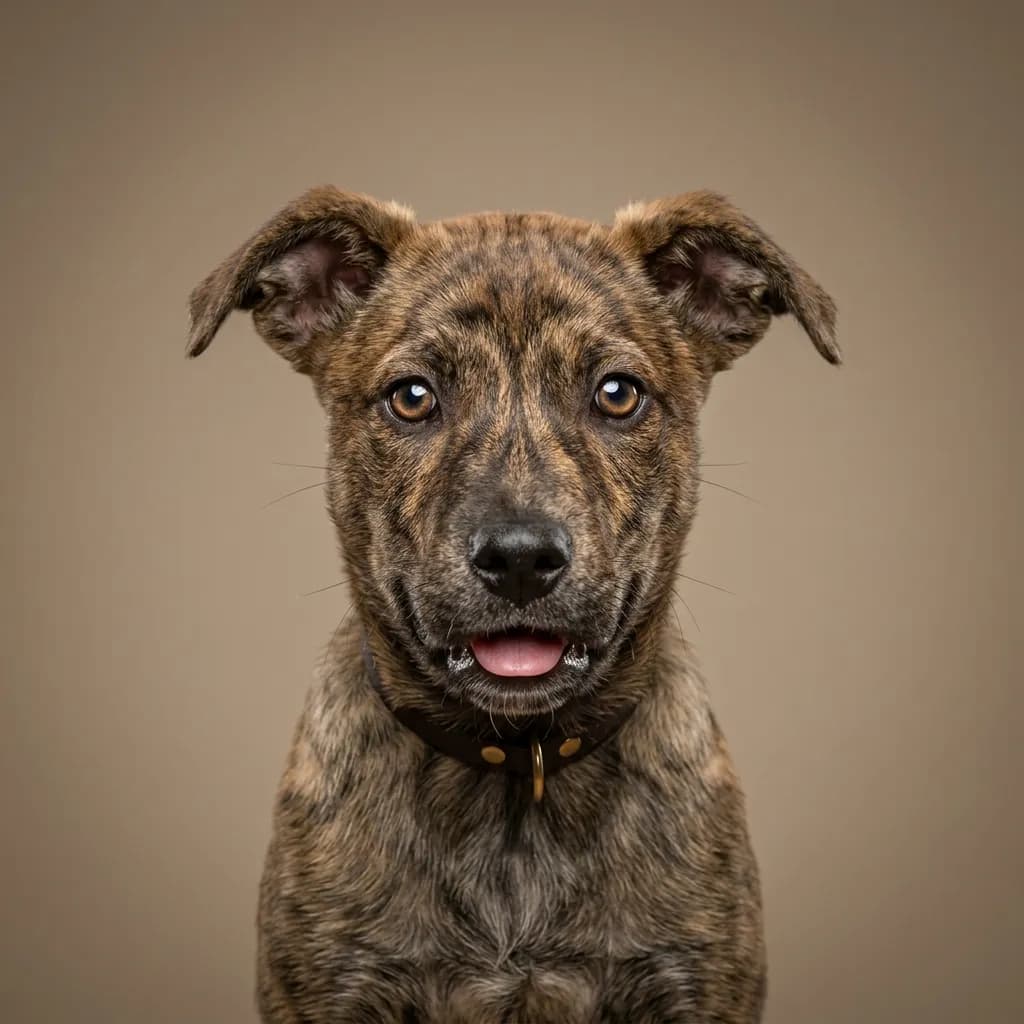
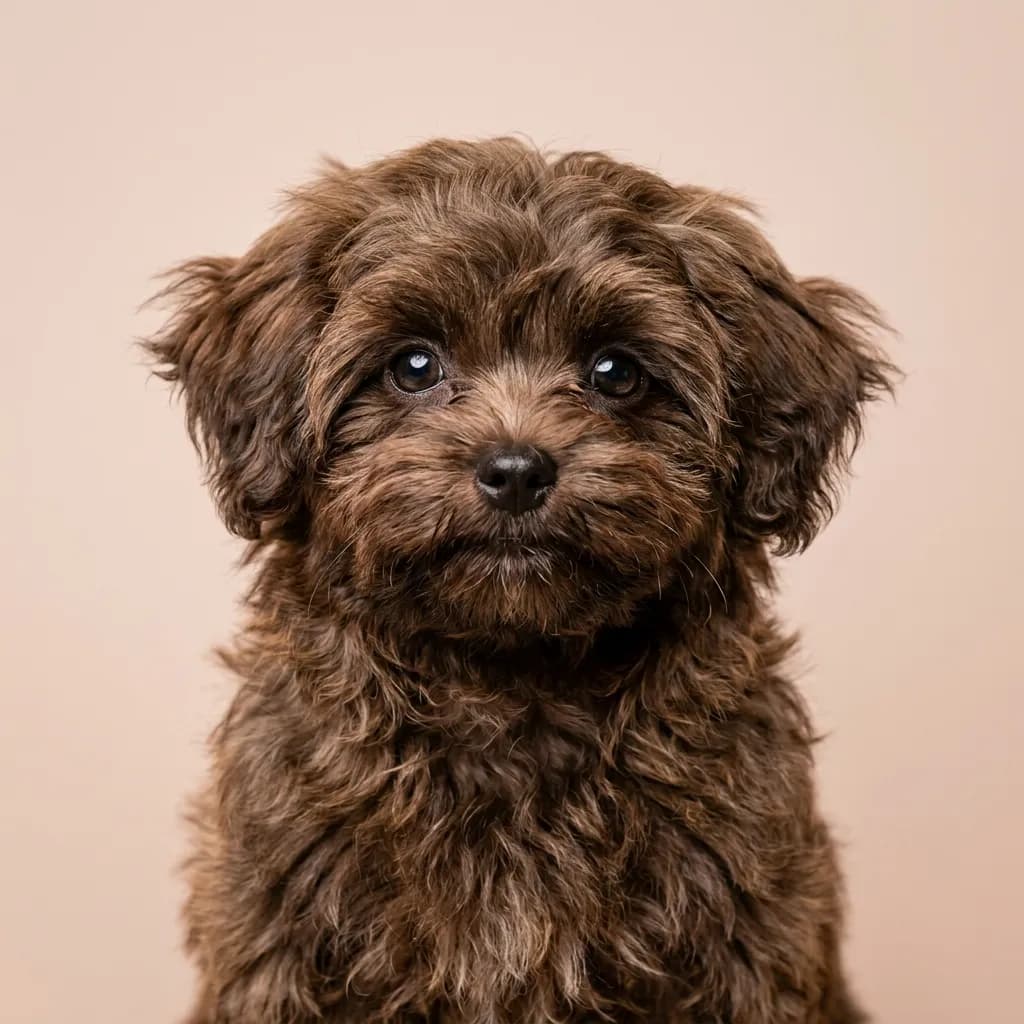
You’re not really comparing these two breeds unless you’re torn between a dog that works and a dog that cuddles. The Mountain Cur and Russian Tsvetnaya Bolonka don’t just differ in size. they’re built for entirely different worlds. One was bred to tree raccoons in the Tennessee hills, the other to nap on a velvet couch in a Moscow apartment. Yet people line them up because both are rare in the U.S., both loyal, and both demand a certain kind of commitment. just in opposite directions. The Mountain Cur is lean and tough, 60 pounds of muscle and focus. He’s not for weekend hikers. He needs daily work. trail hikes, scent games, livestock guarding. He’s reserved with strangers, not because he’s aggressive, but because he’s assessing. Trainability? Medium. He’s smart but opinionated. You’ll need consistency, not force. And yes, he sheds, barks, and can get ear infections from swimming creeks. The Bolonka is the opposite. At under 11 pounds, she’s a soft, curly puffball with a high-pitched bark and a need to be near you. She adapts to city life like a pro and won’t shed much, great for allergies. But don’t mistake her calm for low maintenance. She hates being alone and can develop separation anxiety fast. And that coat? It requires weekly grooming or it mats in days. Here’s the real talk: if you’re choosing between these two, it’s not about temperament or health risks. It’s about lifestyle honesty. The Cur won’t let you get away with being sedentary. The Bolonka won’t let you get away with being emotionally distant. Pick the Cur if you need a partner in the wild. Pick the Bolonka if you want a velcro heart on your lap.
Trait-by-trait
Higher bar = more of that trait. Shedding, barking, drooling, grooming flipped for readability.Where they diverge
Choose the Mountain Cur if…
- Active outdoor owners
- Hunters
- Rural or farm settings
- You value shedding level — Mountain Cur scores noticeably higher.
Choose the Russian Tsvetnaya Bolonka if…
- Apartment living
- Seniors
- Families with gentle children
- You value coat grooming — Russian Tsvetnaya Bolonka scores higher here.