Mudi vs Russian Tsvetnaya Bolonka
Side-by-side comparison across all 14 AKC trait ratings, with a clear verdict on which breed fits which kind of household.
Not sure which breed fits your life?
Answer five questions about your home, your schedule, and your tolerance for shedding. We’ll match you to your top three breeds from over 200.
Mudi vs Russian Tsvetnaya Bolonka
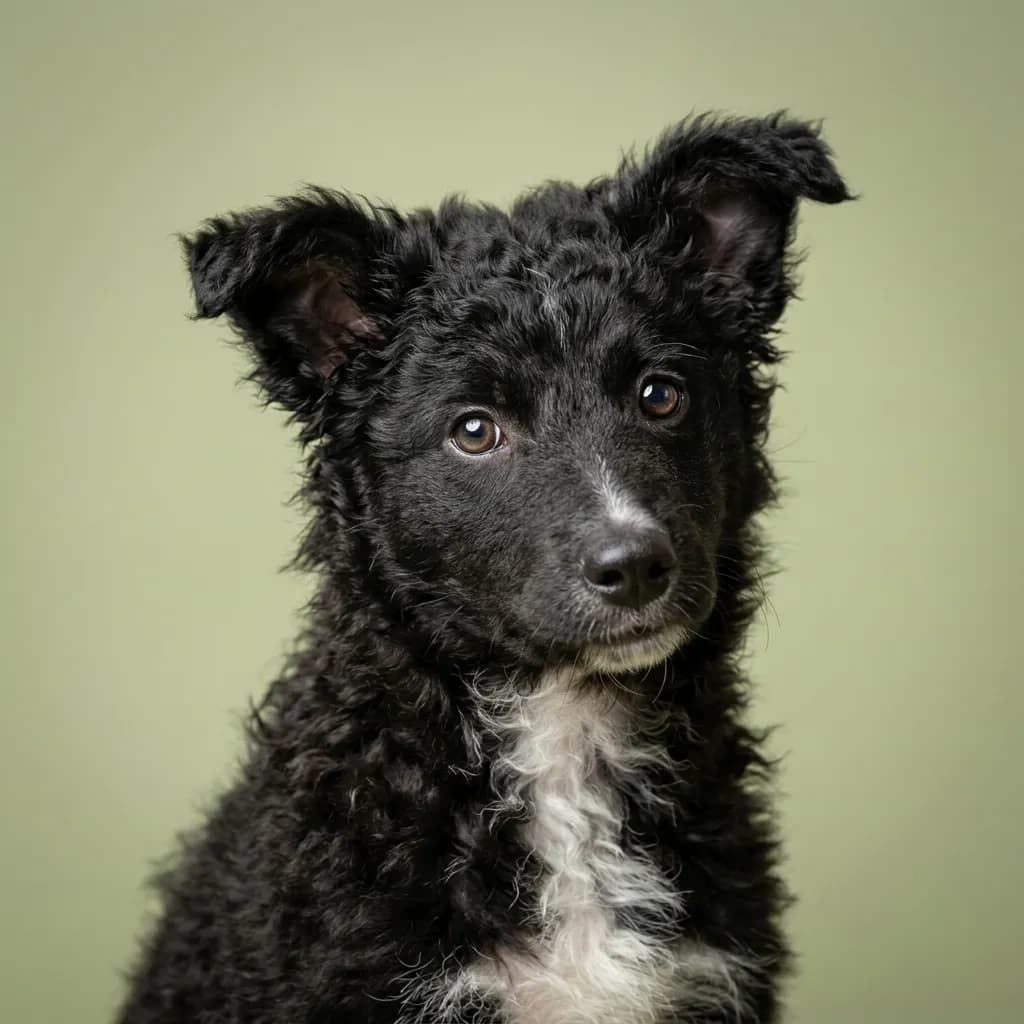
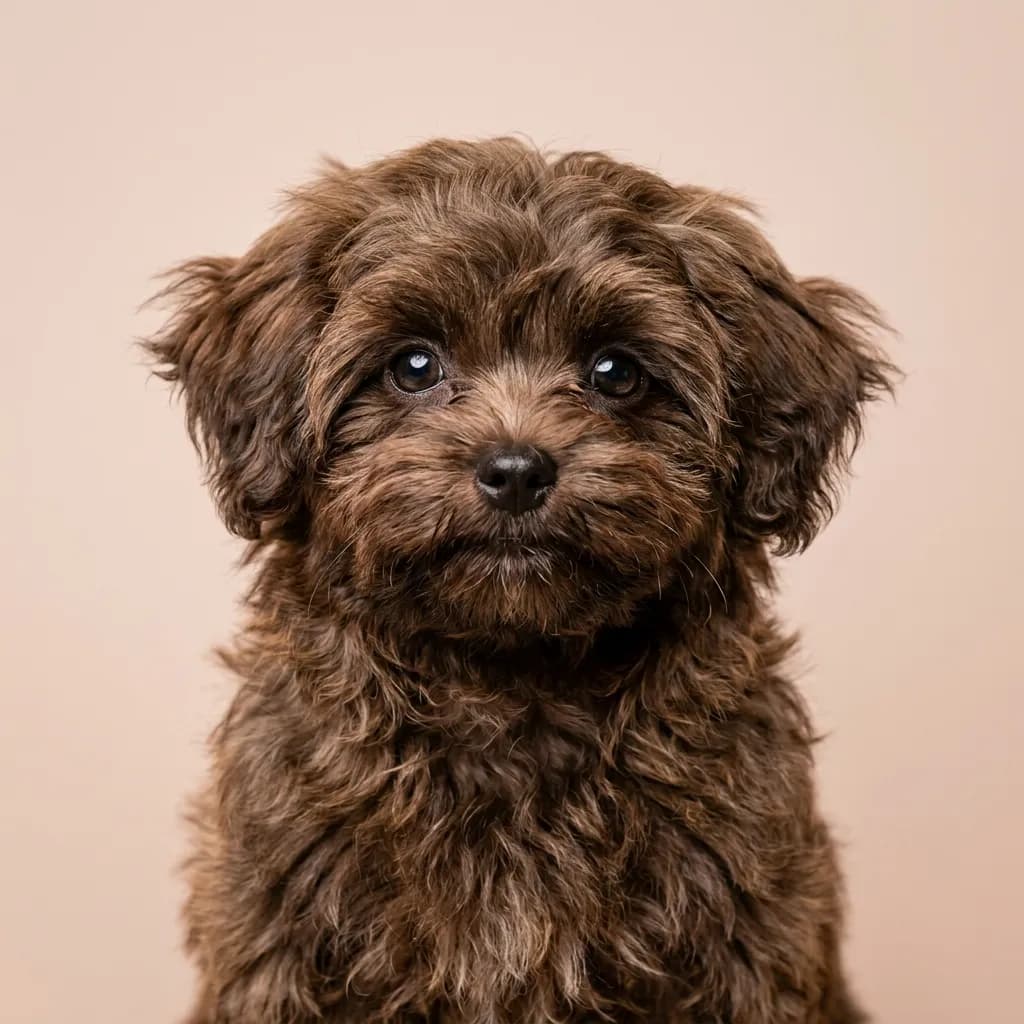
You’re probably comparing a Mudi and a Russian Tsvetnaya Bolonka because both are rare, smart dogs with bouncy energy and a look that stands out. curly coats, alert eyes, and a certain “I know something you don’t” expression. But that’s where the similarities end. Think of it like choosing between a high-performance mountain bike and a perfectly tuned city commuter. Both will get you where you need to go, but the ride feels completely different. The Mudi is a live wire. At 15 to 18 inches and up to 29 pounds, this Hungarian herding dog thrives on work. You’ll need hikes, agility training, or serious backyard games. daily. They’re insanely smart, eager to learn, and will shadow you like a furry project manager. But they’re not for the faint of heart. They bark at changes in the weather, need constant mental stimulation, and can be wary with kids not in their inner circle. If you’re active, experienced with herding breeds, and love a dog that’s always on, the Mudi could be your perfect match. The Bolonka, barely topping 11 pounds, is a pocket-sized charmer bred for laps and companionship. They adapt to apartments like pros, adore affection, and are nearly non-shedding. great for allergies. But don’t mistake their size for low maintenance. They bond deeply and hate being left alone. They’ll learn tricks fast but don’t need hours of exercise. They’re better for quieter homes, seniors, or families with older, gentle kids. Here’s the real talk: the Mudi wants a job and a mission. The Bolonka just wants to be with you. on the couch, in your lap, in your life. Pick based on your rhythm, not just your heart.
Trait-by-trait
Higher bar = more of that trait. Shedding, barking, drooling, grooming flipped for readability.Where they diverge
Choose the Mudi if…
- Active families
- Experienced herding breed owners
- Dog sport enthusiasts
- You value energy level — Mudi scores noticeably higher.
Choose the Russian Tsvetnaya Bolonka if…
- Apartment living
- Seniors
- Families with gentle children
- You value coat grooming — Russian Tsvetnaya Bolonka scores higher here.