Mudi vs Swedish Lapphund
Side-by-side comparison across all 14 AKC trait ratings, with a clear verdict on which breed fits which kind of household.
Not sure which breed fits your life?
Answer five questions about your home, your schedule, and your tolerance for shedding. We’ll match you to your top three breeds from over 200.
Mudi vs Swedish Lapphund
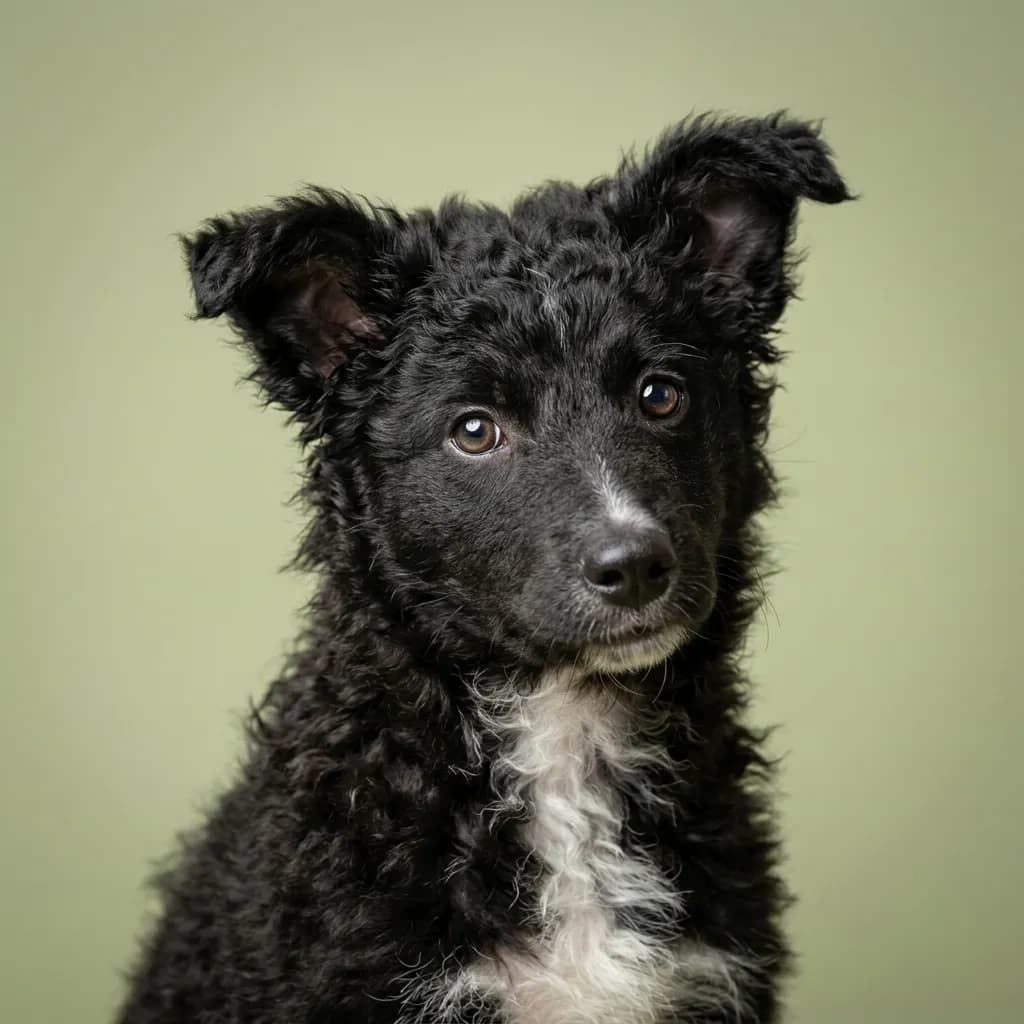
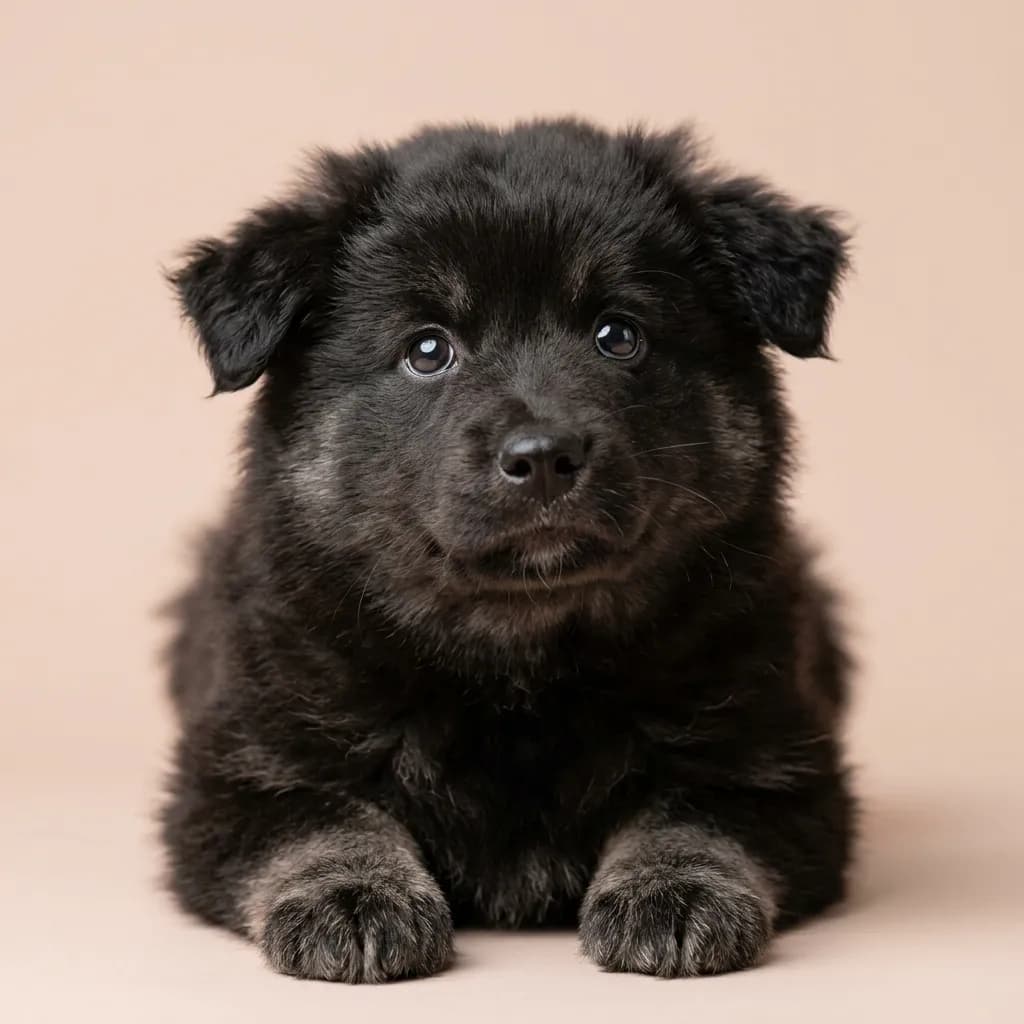
You don’t just stumble into owning a Mudi or a Swedish Lapphund. You seek them out. Both are rare, energetic, and deeply intelligent. herders at heart, with that wiry intensity that makes them shine in dog sports. People compare them because they’re both mid-sized, curly-coated, and fly under the radar compared to border collies. But beneath the surface, they’re built for different worlds. The Mudi is a lightning bolt. At under 30 pounds, it’s lean, hyper-alert, and built for precision. It’ll work all day, learn 10 new tricks by lunch, and still want to run agility courses after dinner. This dog thrives on mental chaos and physical challenge. If you’re into IPO, barn hunt, or just need a partner who’s always two steps ahead mentally, the Mudi is your match. But it’s not for soft starts. It’s sensitive, sharp, and will bark at a leaf blowing wrong. Kids need to be respectful and older. its kid tolerance is more “cautious colleague” than “uncle at the BBQ.” The Swedish Lapphund, meanwhile, is built for endurance in silence. Thicker coat, sturdier frame, and a slightly calmer pulse. It’s still energetic and smart, but with a softer, more affectionate vibe. It’s the dog that curls up close after a hike in the snow, bred to live with reindeer herders in Arctic Sweden. It bonds deeply, barks plenty, but adapts less easily to urban noise or heat. Here’s the real talk: the Mudi needs a job or it’ll invent one. like organizing your sock drawer into chaos. The Lapphund just wants to be part of your life, even if that life is quieter. Choose the Mudi if you want a brilliant, high-octane partner who demands engagement. Choose the Lapphund if you want a loyal, lively shadow who can handle cold mornings and family routines a little more smoothly.
Trait-by-trait
Higher bar = more of that trait. Shedding, barking, drooling, grooming flipped for readability.Where they diverge
Choose the Mudi if…
- Active families
- Experienced herding breed owners
- Dog sport enthusiasts
- You value playfulness — Mudi scores noticeably higher.
Choose the Swedish Lapphund if…
- Active families
- Cold climate households
- Dog sports enthusiasts
- You value affectionate w/ family — Swedish Lapphund scores higher here.