Newfoundland vs Otterhound
Side-by-side comparison across all 14 AKC trait ratings, with a clear verdict on which breed fits which kind of household.

Not sure which breed fits your life?
Answer five questions about your home, your schedule, and your tolerance for shedding. We’ll match you to your top three breeds from over 200.
Newfoundland vs Otterhound
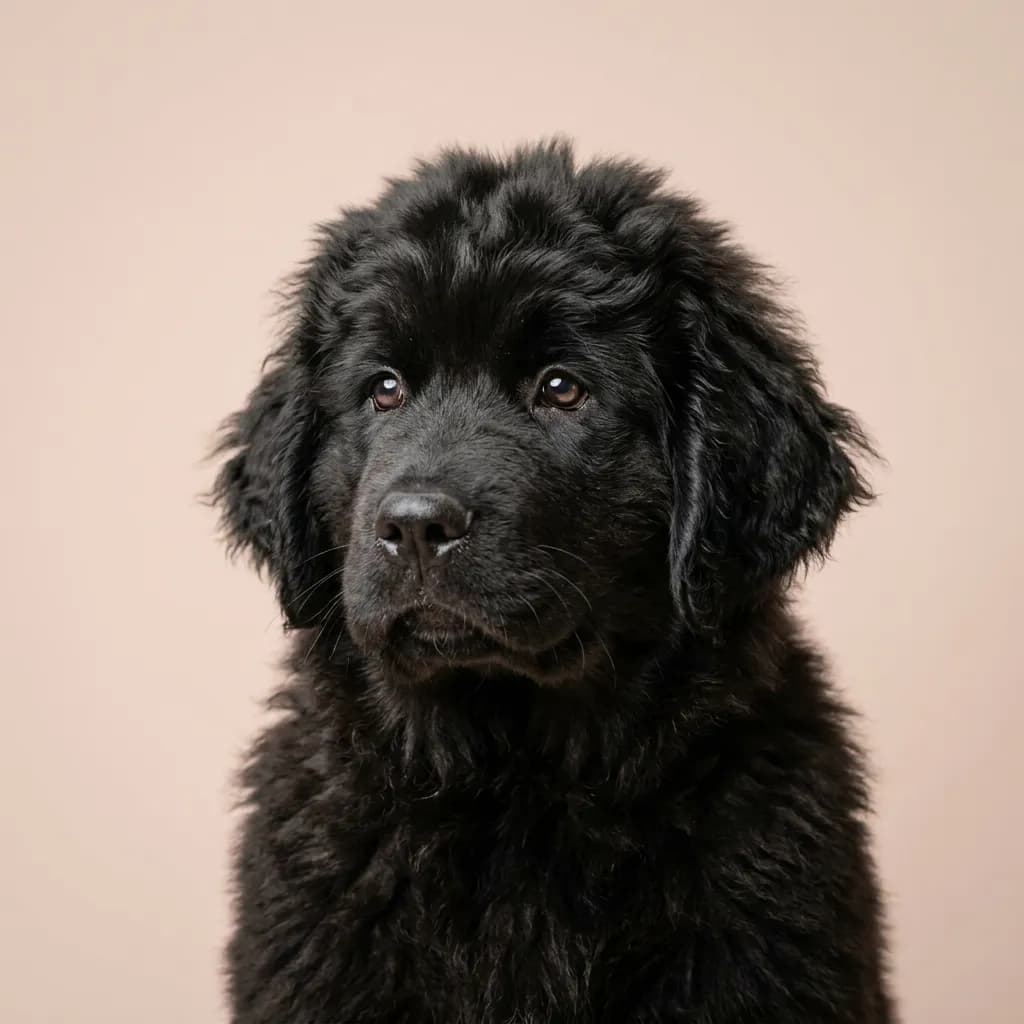
You’re probably not sitting down to choose between a Newfoundland and an Otterhound because they’re obvious rivals. You’re here because someone mentioned both have webbed feet, love water, and look like they belong in a storybook. That’s where the fairy tale ends. These breeds diverge fast once you live with them. The Newfoundland is the quiet giant who carries your kids on his back like a furry surfboard. He’s calm, deeply devoted, and patient in a way that feels almost human. You’ll forgive the drool on your countertops and the fur on your coat because he’s that kind of companion. steady, soulful, and built for rescue, literally. He’s happiest near water, pulling logs or kids out of lakes, but he’ll adapt to suburban life if you’ve got space and don’t mind grooming weekly. The Otterhound? He’s the scruffy, loud neighbor who shows up uninvited but wins you over with charm. He’s boisterous, barky, and built for muddy riverbanks, not polished patios. He’s affectionate and game for any adventure, but he’s got that hound independence. you’ll never fully trust his recall. And yes, he drools, but he also smells. That oily coat resists water but holds onto the scent of wet dog and river muck. Families wanting a gentle, reliable guardian should go Newfoundland. But if you’re rural, active, and don’t mind a dog that barks at deer at 6 a.m. and tracks mud through the house, the Otterhound’s your rare, goofy companion. Here’s the real talk: both are rare breeds with big health risks, but the Newfoundland’s shorter lifespan hits harder. You’re signing up to likely lose him sooner than you’d like. Love fiercely while you can.
Trait-by-trait
Higher bar = more of that trait. Shedding, barking, drooling, grooming flipped for readability.Where they diverge
Choose the Newfoundland if…
- Families with children
- Water and outdoor enthusiasts
- Those wanting a gentle giant
- You value good with young children — Newfoundland scores noticeably higher.
Choose the Otterhound if…
- Active families
- Rural settings
- Outdoor and swimming enthusiasts
- You value barking level — Otterhound scores higher here.