Newfoundland vs Rafeiro do Alentejo
Side-by-side comparison across all 14 AKC trait ratings, with a clear verdict on which breed fits which kind of household.

Not sure which breed fits your life?
Answer five questions about your home, your schedule, and your tolerance for shedding. We’ll match you to your top three breeds from over 200.
Newfoundland vs Rafeiro do Alentejo
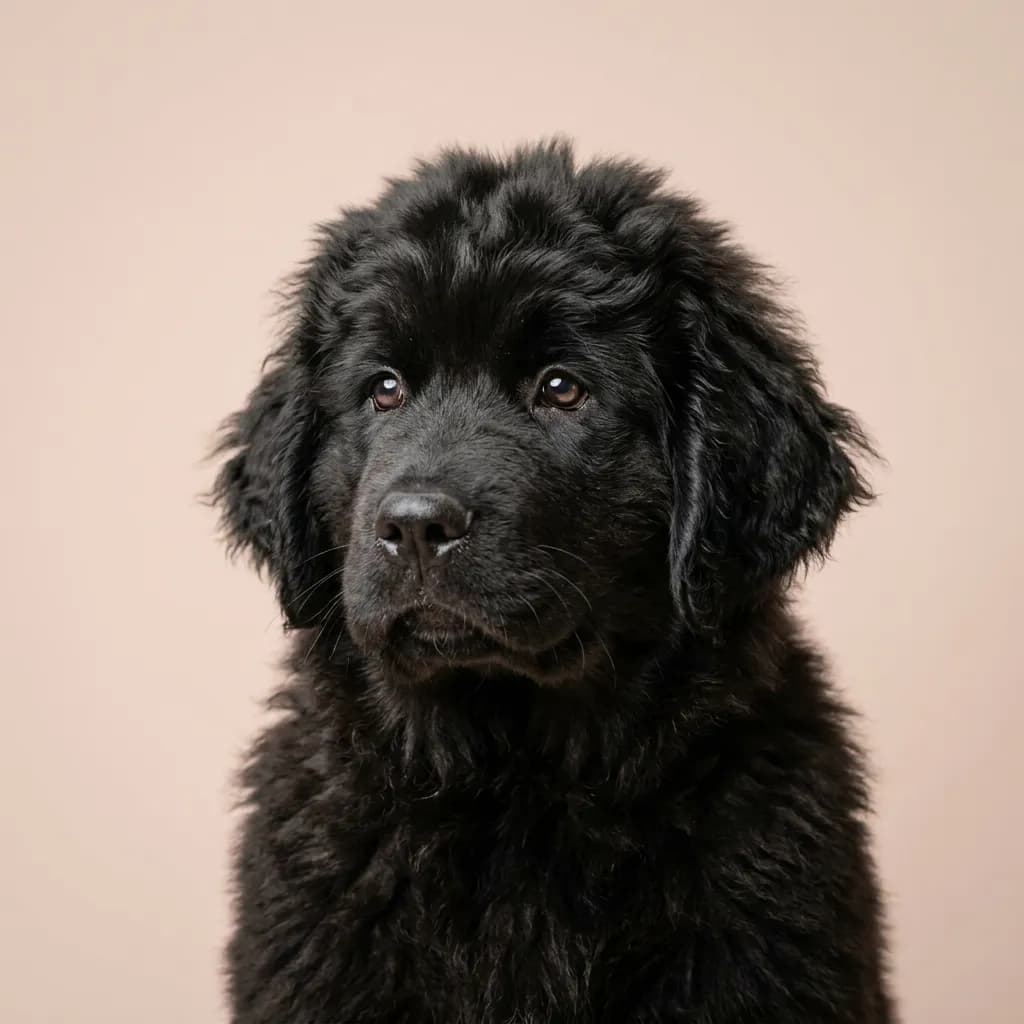
People toss these two breeds into the same conversation because they’re massive, impressive dogs with thick coats and a calm demeanor on the surface. But that’s where the similarity ends. Think of the Newfoundland as your gentle giant who doubles as a lifeguard, the dog that’ll haul a kid out of a lake without a second thought. He’s happiest beside a family at the lake house, patient with chaos, dripping with affection. Then picture the Rafeiro do Alentejo: a watchful fortress of a dog, built for solitude on a sprawling farm, scanning horizons for threats to his flock. He’s not hugging your kids. he’s sizing them up. The real difference? Purpose shapes personality. The Newfoundland was bred to work with people in crisis, so he’s eager to please, tolerant, and deeply bonded. The Rafeiro was bred to make independent decisions miles from human help, so he’s confident to the point of aloofness, calm under pressure, and reserved with strangers. including your toddler if he’s not raised with them. If you’ve got a yard and a need for a kid-friendly, water-loving giant who thrives on companionship, the Newfoundland fits. But if you’re on a rural property with livestock and want a vigilant, self-reliant guardian, the Rafeiro is your dog. Here’s what the data won’t tell you: the Newfoundland will follow you to the bathroom and lean on you like a furry emotional support bear. The Rafeiro? He’ll guard your land faithfully, but he might not care if you’re home at all. One wants to be part of your life. The other just protects it.
Trait-by-trait
Higher bar = more of that trait. Shedding, barking, drooling, grooming flipped for readability.Where they diverge
Choose the Newfoundland if…
- Families with children
- Water and outdoor enthusiasts
- Those wanting a gentle giant
- You value affectionate w/ family — Newfoundland scores noticeably higher.
Choose the Rafeiro do Alentejo if…
- Experienced large-breed owners
- Farm or rural environments
- Livestock guardian needs
- You value trainability — Rafeiro do Alentejo scores higher here.