Newfoundland vs Saluki
Side-by-side comparison across all 14 AKC trait ratings, with a clear verdict on which breed fits which kind of household.
Not sure which breed fits your life?
Answer five questions about your home, your schedule, and your tolerance for shedding. We’ll match you to your top three breeds from over 200.
Newfoundland vs Saluki
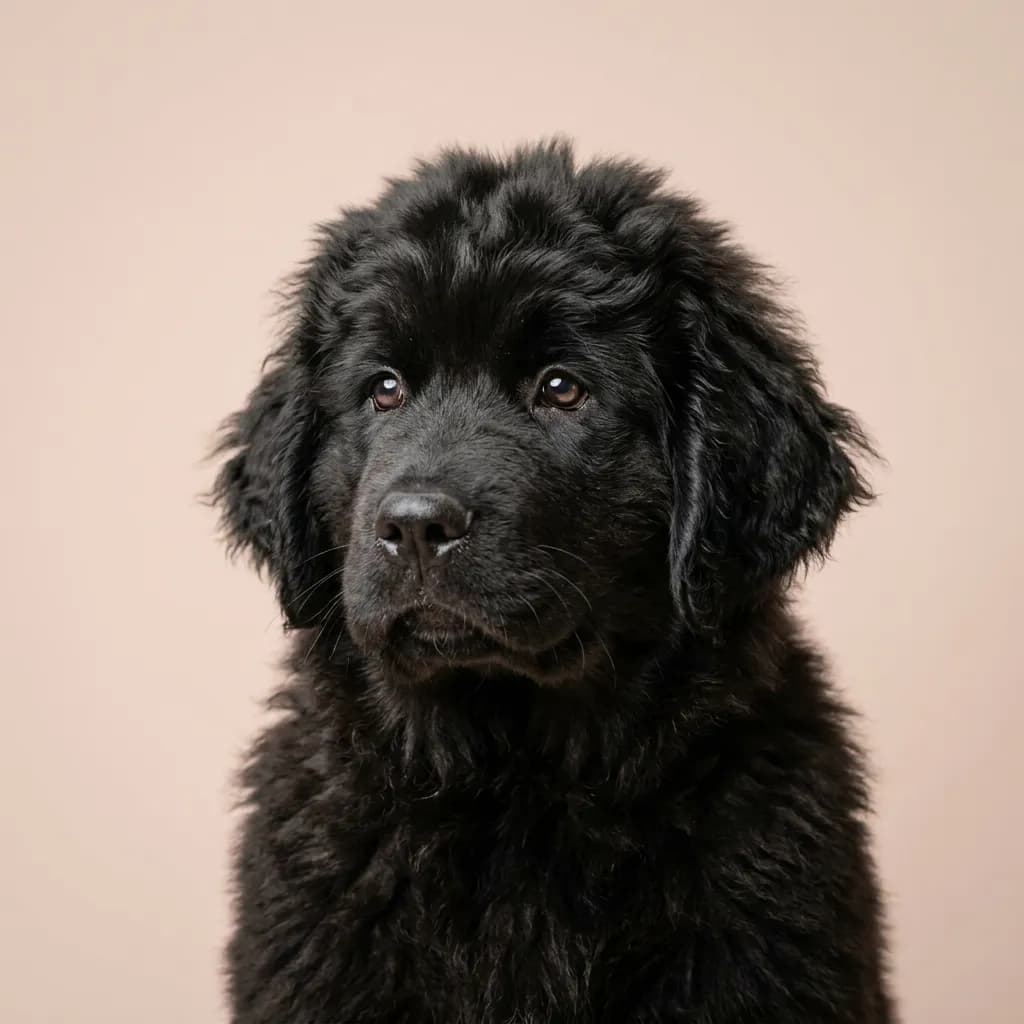
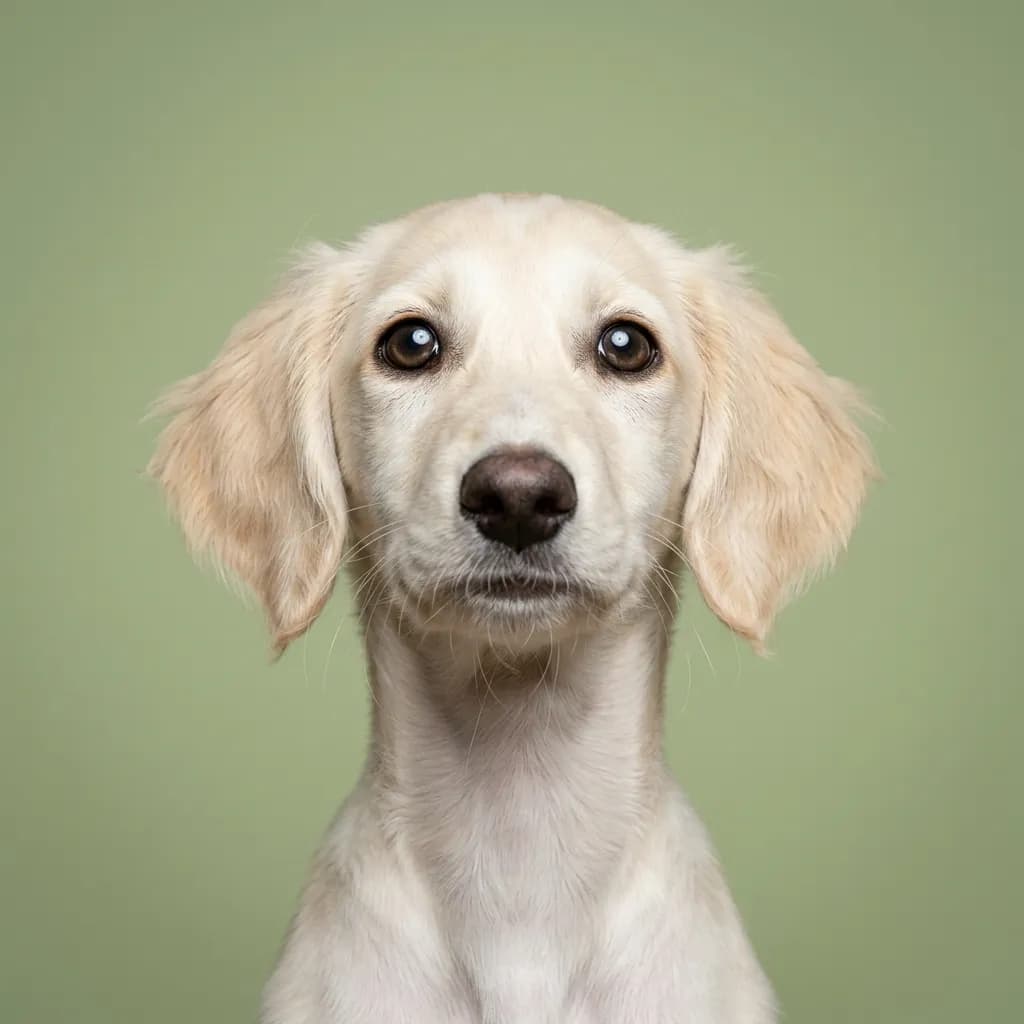
People compare Newfoundlands and Salukis because both are elegant, noble-looking dogs with deep histories, but they’re polar opposites in almost every way that matters day to day. One is built for power and patience, the other for speed and silence. You won’t find two dogs more different in purpose and lifestyle. The Newfoundland is a soft-hearted giant, bred to pull nets and rescue drowning sailors. He’s the dog who’ll lumber into a lake without hesitation to bring your kid back to shore, then sit dripping on your couch like it’s his birthright. He’s calm indoors, adores kids, and thrives in cooler climates. But he drools on your laptop, sheds like a woolly mammoth, and needs serious space. Bloat is a real risk, so feeding and exercise routines matter. The Saluki is the desert ghost. lean, fast, built for chasing gazelle across sand. This dog won’t track mud in, but he will bolt after a squirrel if the yard isn’t secure. He’s quiet, dignified, often aloof with strangers, and deeply bonded to his person. but not clingy. He needs daily runs or long leashed walks, and mental challenges to stay sane. He’s not a family dog in the traditional sense; kids might startle him. Here’s the real insight: Newfoundlands want to be part of your life, every second of it. Salukis tolerate your presence when they’re not busy being ancient and mysterious. If you want a dog who feels like a warm, living teddy bear, go Newfoundland. If you want a regal companion who respects you but won’t orbit you. choose Saluki. Pick based on whether you need a protector or a poet.
Trait-by-trait
Higher bar = more of that trait. Shedding, barking, drooling, grooming flipped for readability.Where they diverge
Choose the Newfoundland if…
- Families with children
- Water and outdoor enthusiasts
- Those wanting a gentle giant
- You value drooling level — Newfoundland scores noticeably higher.
Choose the Saluki if…
- Active owners with running space
- Experienced sighthound owners
- Those wanting an elegant, quiet breed
- You value barking level — Saluki scores higher here.