Newfoundland vs Spanish Water Dog
Side-by-side comparison across all 14 AKC trait ratings, with a clear verdict on which breed fits which kind of household.
Not sure which breed fits your life?
Answer five questions about your home, your schedule, and your tolerance for shedding. We’ll match you to your top three breeds from over 200.
Newfoundland vs Spanish Water Dog
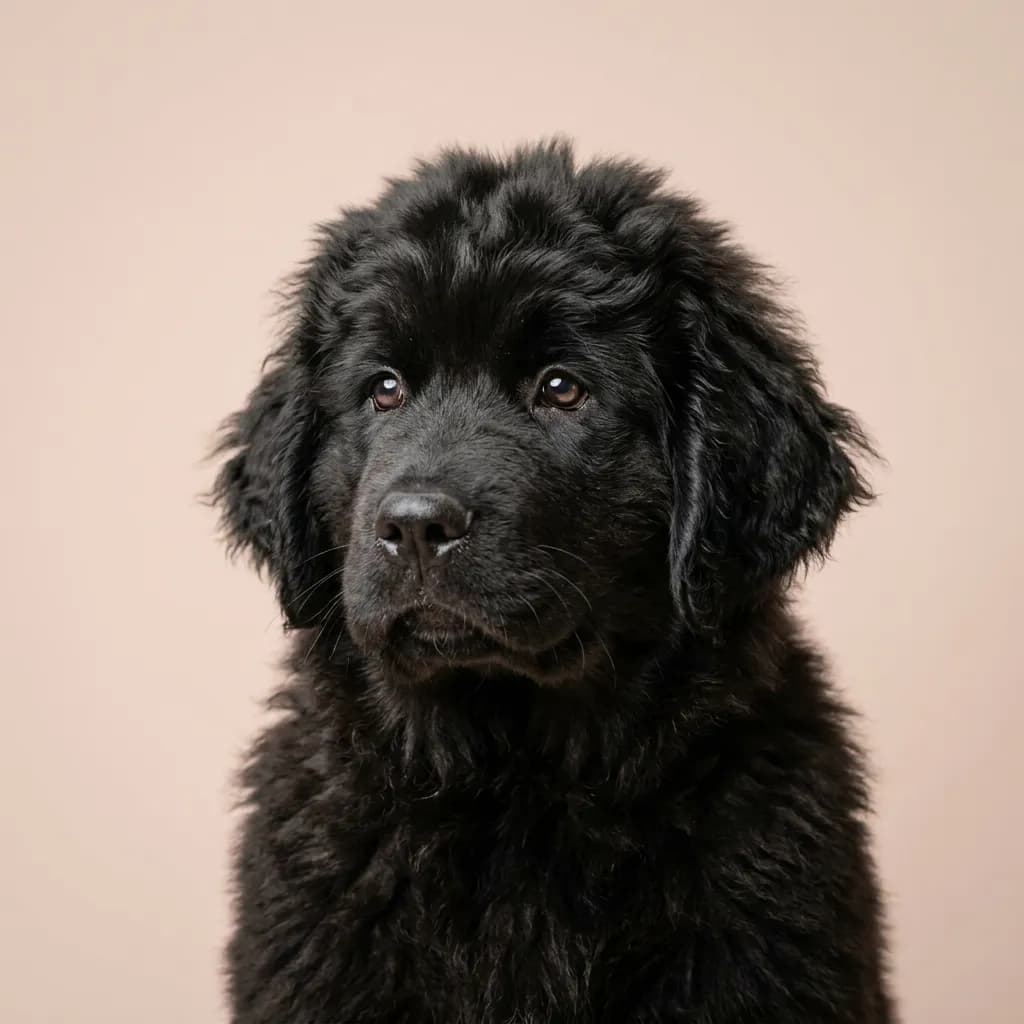
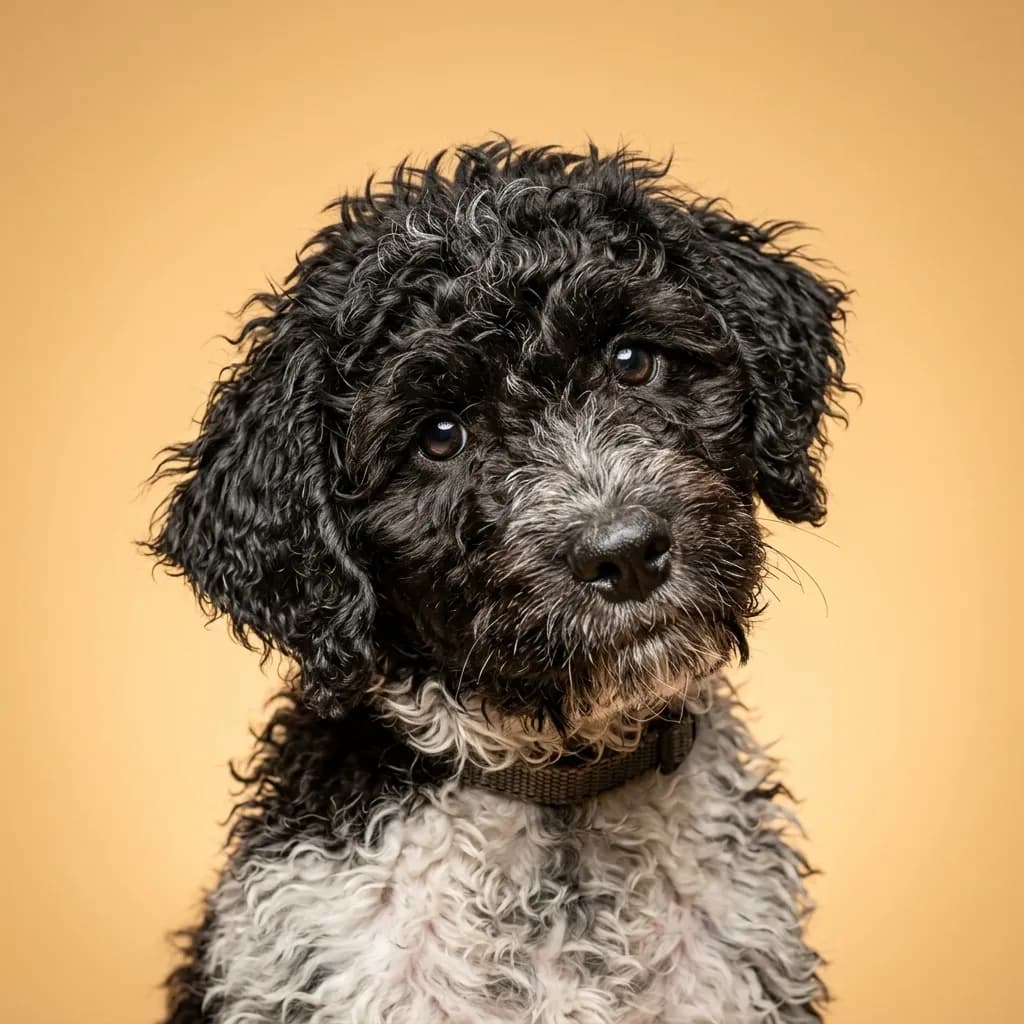
People compare Newfoundlands and Spanish Water Dogs because both love water and have thick, weather-resistant coats. But that’s where the similarities end. One’s a gentle giant built for rescuing sailors off stormy coasts, the other a compact herding dog bred to work all day in rugged Spanish terrain. If you’re choosing between them, you’re really asking: do you want a calm, loving family anchor or an energetic, intense partner in adventure? The Newfoundland is a 130-pound teddy bear who drools on your sleeve and floats like a submarine in lakes. He’s patient with kids, quiet in the house, and thrives near water. But he needs space, sheds year-round, and comes with big-breed health risks like hip dysplasia and bloat. You’ll spend more on food, vet bills, and towels. The Spanish Water Dog is half the size but twice the intensity. He’s bouncy, brainy, and needs daily mental and physical challenges. think agility, herding trials, or long hikes. His corded coat doesn’t shed, making him better for allergies, but it requires maintenance and commitment. He bonds fiercely to his person and can be wary of strangers. This isn’t a dog to leave in the backyard alone. Families with young kids and a lakeside cabin? Go Newfoundland. Active adults who want a dog to train, compete with, and adventure alongside? Spanish Water Dog fits. Here’s the real talk: the Newfoundland gives love freely to everyone. The Spanish Water Dog earns it through work. One is a hug with fur, the other is a teammate. Pick based on whether you want companionship or collaboration.
Trait-by-trait
Higher bar = more of that trait. Shedding, barking, drooling, grooming flipped for readability.Where they diverge
Choose the Newfoundland if…
- Families with children
- Water and outdoor enthusiasts
- Those wanting a gentle giant
- You value drooling level — Newfoundland scores noticeably higher.
Choose the Spanish Water Dog if…
- Active owners
- Allergy sufferers
- Dog sports enthusiasts
- You value coat grooming — Spanish Water Dog scores higher here.